
Build Better Software With Agile Delivery
What software development involves
Software development turns a user need into a working digital product. It covers planning, design, coding, testing, release, and upkeep. The work continues after launch.
Developing software applications also means managing data, access, risk, and user experience. The meaning of software development is broader than writing code. A team must solve business and technical problems together.
People often search for “developing a software” when they want to understand this full process. They may also ask what software development includes. It includes people, tools, decisions, checks, and feedback.
- Plan: Define users, goals, cost, risks, and success measures.
- Design: Map user journeys, system parts, data, and security needs.
- Build: Write code in small, useful parts.
- Check: Test each part against clear needs.
- Run: Release, monitor, support, and improve the product.
Steps in the software development lifecycle
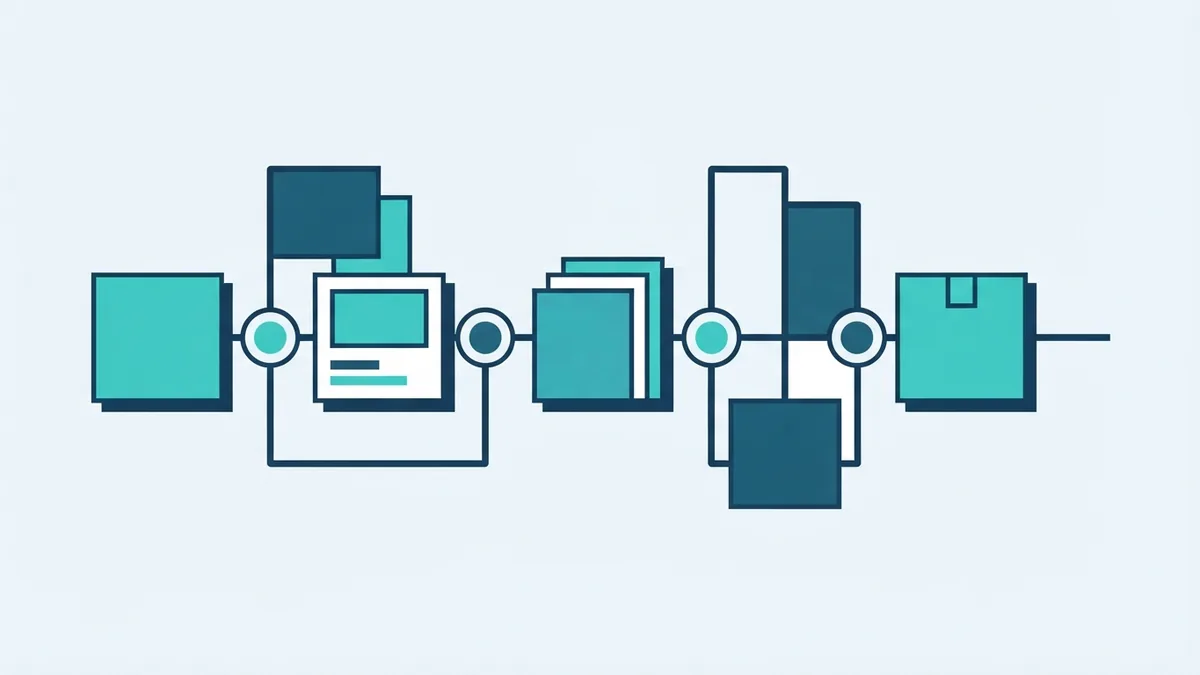
The Software Development Lifecycle gives teams a repeatable path from idea to support. It is often called the SDLC. Teams can use a fixed plan or an agile software development model.
Requirements gathering for software development should start with user problems. Good software development requirements use examples, limits, and clear measures. A software development requirements document can record these needs without freezing every detail.
- Gather requirements: Speak with users, owners, and support teams.
- Design the system: Set the user flow, data model, risks, and system architecture.
- Build the feature: Write code with peer review and small checks.
- Test the product: Check behaviour, speed, access, safety, and edge cases.
- Deploy the release: Use a rollback plan and track the live system.
- Maintain the system: Fix faults, watch usage, and plan improvements.
Changing requirements in software development are correct when new facts emerge. A team should record the reason for each change. That keeps scope clear and protects delivery dates.
How agile development frameworks work
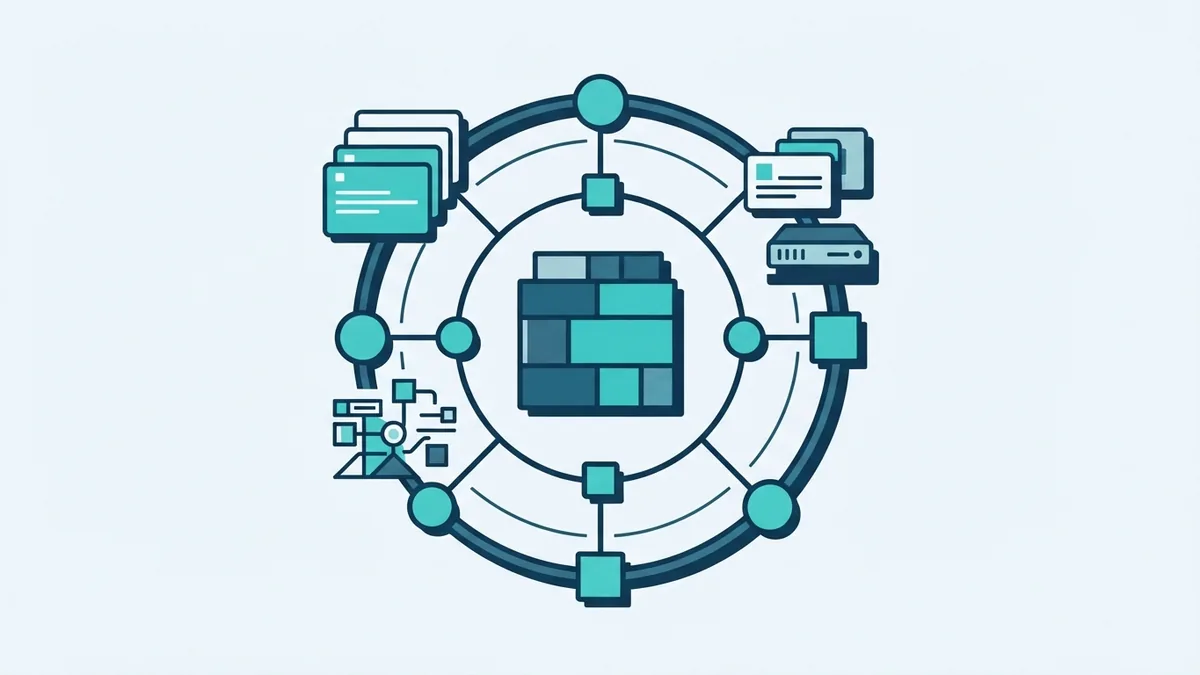
An agile development framework helps teams deliver small parts, learn fast, and adjust plans. Agile software development uses short work cycles called sprints. Each sprint should produce a useful result.
Agile software development focuses on working software, customer teamwork, and fast response to change. The Agile Manifesto gives the core values. See the Agile Manifesto for its original wording.
Many readers ask, “what is the manifesto for agile software development?” It is a short statement of values and principles. It is not a project plan, coding rule, or contract.
Agility in software development does not mean rushed work. It means learning early and changing course when evidence supports it. Agile software delivery works best when teams can reach users often.
- Plan: Set a sprint goal and choose high-value work.
- Build: Design, code, and test the chosen work.
- Review: Show the result to users and owners.
- Improve: Hold a retrospective and change one weak habit.
Types of agile software development
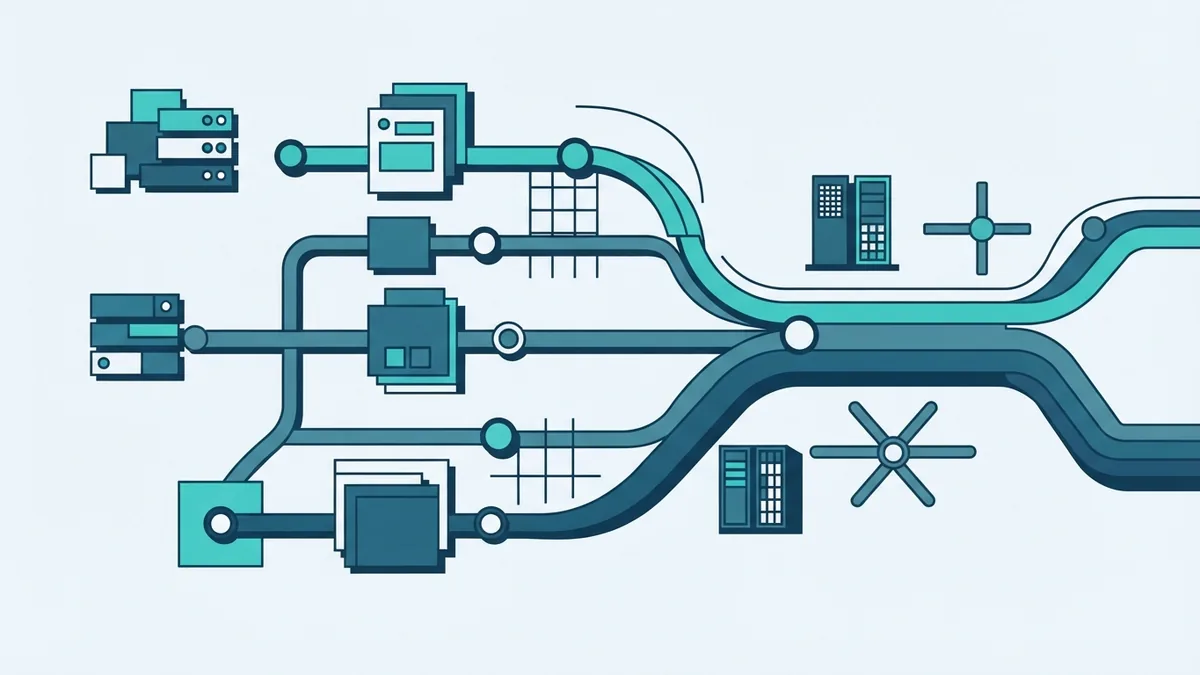
The main types of agile software development differ in how they plan work. Scrum uses fixed sprints and review points. Kanban controls work in progress and supports steady flow.
XP software development, also called Extreme Programming, puts strong focus on code quality. It uses pair work, test-first coding, simple design, and small releases. When people ask “what is XP in agile,” this is the short answer.
- Scrum: Useful for teams with clear sprint goals and regular reviews.
- Kanban: Useful for support teams with changing work.
- XP: Useful when code quality and fast feedback matter most.
- Lean agile software development: Cuts waste and ships the smallest useful product.
- Low code software development: Uses visual tools to build some features faster.
A type of software development should match the work, risk, and team. Low code tools cannot replace sound design or safety checks. Scrum also cannot fix unclear goals or weak ownership.
Agile is not only for software development. Teams use its feedback loop in product, design, marketing, and operations work. The method still needs a clear user outcome.
Roles in software development
An agile software development team needs clear ownership. One person may hold several roles in a small firm. Larger teams may split each role across specialists.
A project manager tracks scope, risk, cost, and blockers. A product owner ranks the backlog and speaks for user needs. UX and UI designers shape the user journey. Front-end developers build browser features. Back-end developers build services, data links, and rules.
QA engineers test the product and help prevent defects. A delivery lead may guide release work. In a large project, a RACI matrix for software development can show who is responsible, accountable, consulted, or informed.
A software development company should also name owners for security, support, and system health. This matters when managing the development of large software systems. Clear roles reduce missed work and slow decisions.
| Role | Main focus |
|---|---|
| Product owner | User value and work order |
| Designer | Usability and user journeys |
| Developer | Code, data, and system behaviour |
| QA engineer | Tests, defects, and release confidence |
Best practices for quality software development
Quality software development starts with small changes and clear checks. Continuous Integration joins code changes often. Continuous Delivery keeps tested releases ready to ship.
Jenkins software development pipelines can run builds, tests, and release checks. SCM software development tools track code history and support team review. These tools help, but they do not replace good tests.
Teams should keep documentation for software development close to the code. Technical documentation explains system choices, setup steps, interfaces, and known limits. That answers the question, “what is technical documentation in software development?”
A useful standard operating procedure for software development covers review, testing, release, backup, and rollback. An artifact in software development can include a plan, test result, design note, or released build. Keep each artifact short and useful.
- Use unit tests for small code parts.
- Use integration tests for linked services.
- Use checks with real users before major releases.
- Set quality gates in software development for risky changes.
- Gather feedback after release, not only before it.
Teams may also use ISO 9001 agile software development practices to improve repeatable work. ISO for software development is not one single coding method. A team must map the chosen standard to its own risks.
Challenges in software development
Scope creep is a common risk. It happens when new work enters without a clear trade-off. A ranked backlog helps teams protect the sprint goal.
Project delays can come from unclear needs, hidden system links, or slow decisions. Value stream mapping software development work can reveal waits between design, coding, testing, and release. Small flow improvements often beat large process changes.
Security in agile software development needs attention in every sprint. Teams should review access, data flow, third-party links, and failure paths early. Risk management in agile software development works best when risks have named owners.
Legacy software development adds more limits. Old systems may lack tests, clear owners, or safe release paths. Lean architecture for agile software development can help teams improve structure without forcing a full rewrite.
People also ask, “is software development stressful?” It can be stressful when goals stay unclear and urgent work never ends. Smaller batches, honest limits, and strong team support can reduce that strain.
Software development is part of information technology, so “is software development IT?” has a simple answer. Yes, but it is also product design, engineering, testing, and service work. It is not an oversaturated field for people who build strong skills and solve real problems.