
Understand LLMs — How They Learn, Work, and Help
What Is an LLM?
What is an LLM? An LLM is a large language model. It is an AI system that learns patterns in language. It can then create text that sounds human.
If you search “whats an llm,” you are asking for a large language model definition. A simple answer is this. An LLM predicts useful language from the words around it. It does not think like a person.
People also search “whats a llm” or “whats an llm ai.” These phrases point to the same core idea. LLM AI uses machine learning to process prompts and produce replies, summaries, code, or translations.
Most modern LLMs use transformer models. This design helps them track links between words across a passage. The model sees tokens rather than full thoughts. A token may be a word, part of a word, or punctuation.
- GPT: OpenAI’s GPT family supports writing, coding, and many other tasks.
- BERT: Google’s BERT model improved search and language understanding.
- Llama: Meta’s Llama family supports research and custom model builds.
These models are part of natural language processing, or NLP. NLP helps computers work with human language. An LLM can handle many tasks because one trained model can learn broad language patterns.
How LLMs Learn and Produce Text
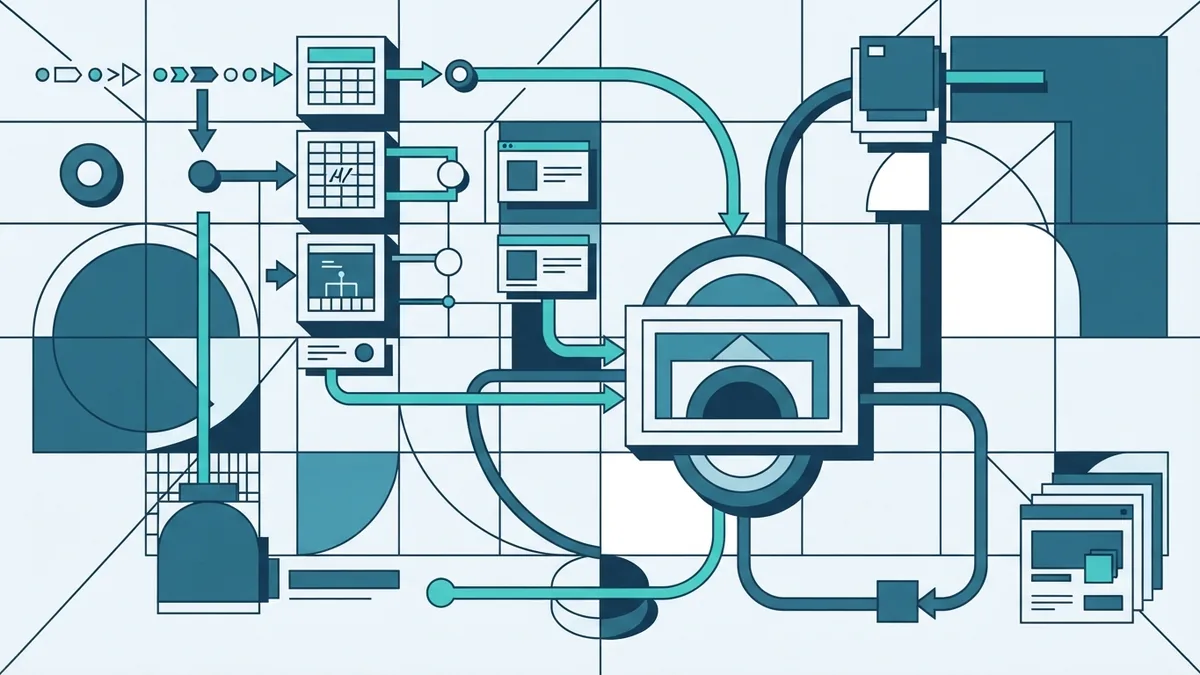
Training starts with very large collections of text. These sources may include books, web pages, code, and other documents. The model studies how tokens appear together across many examples.
Most training uses self-supervised learning. The system hides a token or leaves a sentence unfinished. The model then predicts the missing or next token. A training check compares that guess with the source text.
Tokenization breaks text into small units before training. This step helps one model handle names, code, rare terms, and long words. It also affects how much text fits inside one prompt.
Transformer models use a self-attention mechanism. This lets each token weigh other tokens in the same passage. The word “bank” may relate to money in one sentence. It may relate to a river in another.
The first key paper on this design was the original Transformer paper. It showed how attention could replace older sequence methods. That change helped models train faster and handle wider context.
After base training, teams often adapt a model for a specific task. Fine-tuning uses smaller data sets with a clear goal. Human feedback can also shape safer and more useful replies. This method is often called reinforcement learning from human feedback, or RLHF.
When a user sends a prompt, the model repeats its next-token process. It ranks likely tokens based on the prompt and its training. It then adds one token and predicts the next one. This loop creates the final reply.
Key Applications of LLMs
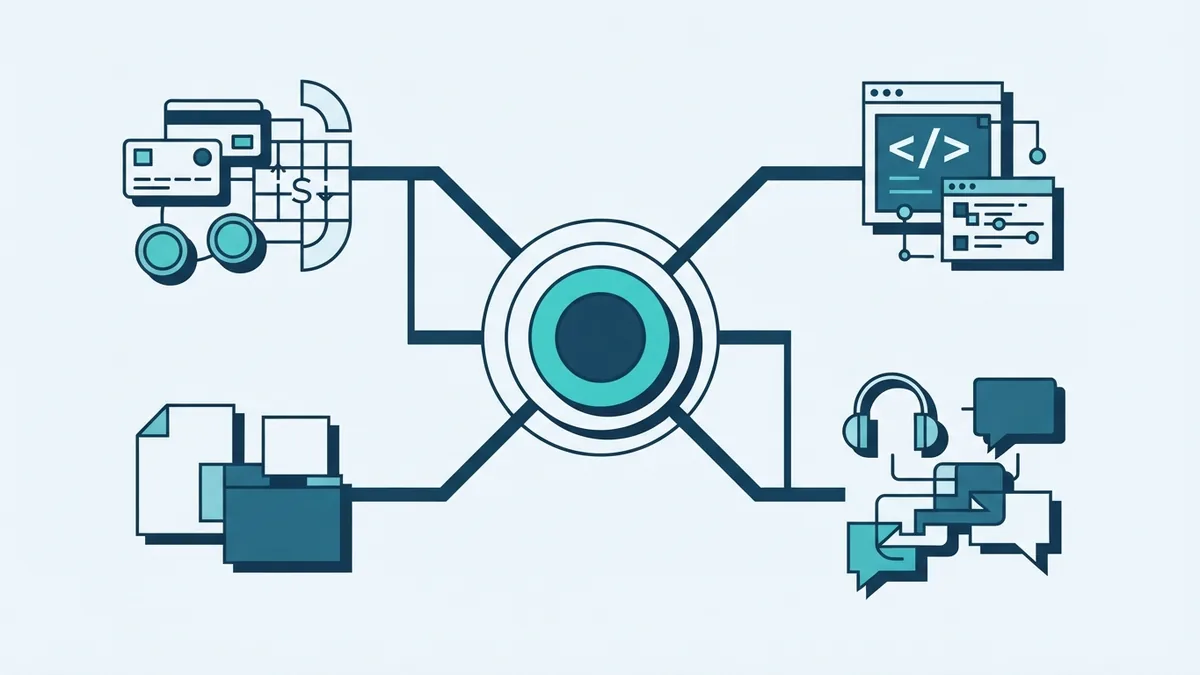
LLMs can handle many language tasks with one shared model. They can draft an email, shorten a report, or change its tone. They can also translate support content between languages.
Some tasks need more than one answer. An LLM can split a request into steps and link the results. This is often called multi-step reasoning. The result still needs checks when facts or safety matter.
| Task | Example | Useful check |
|---|---|---|
| Text generation | Draft a product email | Review facts and tone |
| Summarization | Shorten a long report | Compare key points with the source |
| Translation | Convert support text | Ask a fluent speaker to review it |
| Reasoning | Plan steps for a task | Test each step before use |
Businesses can connect LLMs to web platforms, payment tools, and data stores. A support system might find an order and explain its status. A rule-based check should approve any sensitive change.
LLMs also help software teams. They can explain code, find likely bugs, and create test cases. Human review remains vital for security, cost, and system design.
Marketing teams use LLMs to group feedback and suggest page ideas. Analysts can ask for themes across many comments. Staff should still check private data before sending it to a model.
Some systems combine language with outside tools. The model may search a trusted data store before it replies. This can improve answers because the model has fresh facts to use.
Challenges and Limits of LLMs
LLMs can produce false claims with a confident tone. This problem is often called a hallucination. The model may fill a gap instead of saying that evidence is missing.
Training data can carry unfair views or clear gaps. A model may repeat those patterns in its replies. Teams need tests across languages, groups, and common use cases.
Context is another limit. A model may lose track of an early detail in a long request. It may also miss local slang or the user’s true goal.
Model output can change with small prompt edits. A short prompt may leave key facts unstated. A clear prompt should name the task, source, limits, and desired format.
- Check important facts against trusted source data.
- Keep private data out of prompts unless strong controls exist.
- Set firm limits for payments, access, and other high-risk actions.
- Track cost, speed, error rates, and user feedback after launch.
Large models need major computing power for training and use. That can raise costs and energy needs. Smaller models may work better for narrow tasks. They can also run closer to the user with less delay.
Security needs care as well. A model may follow harmful instructions hidden inside supplied content. Teams should separate user input from system rules. They should also test tool access before launch.
The Future of LLM Technology
Newer models keep improving at language, code, and tool use. They can work with longer context and follow harder task plans. Better data and stronger tests can reduce some old errors.
Many systems now combine text with images, sound, or video. These are called multimodal models. They can inspect a document, describe a scene, or answer questions about mixed data.
Future systems may rely more on smaller models and task-specific tools. A small model can handle a narrow job with lower cost. A larger model can take over when the task needs broad context.
Model builders are also working on better source links and stronger checks. These features can help users trace an answer back to its evidence. They do not remove the need for human judgment.
The most useful LLM is not always the largest one. It is the model that fits the task, data, risk, speed, and budget. Good system design matters as much as raw model skill.
LLMs will likely become a common layer in software platforms. They may help users search, plan, write, and act through one interface. Clear rules will help keep that power useful and safe.