
Understand LLMs — From Training to Real-World Use
Introduction to Large Language Models
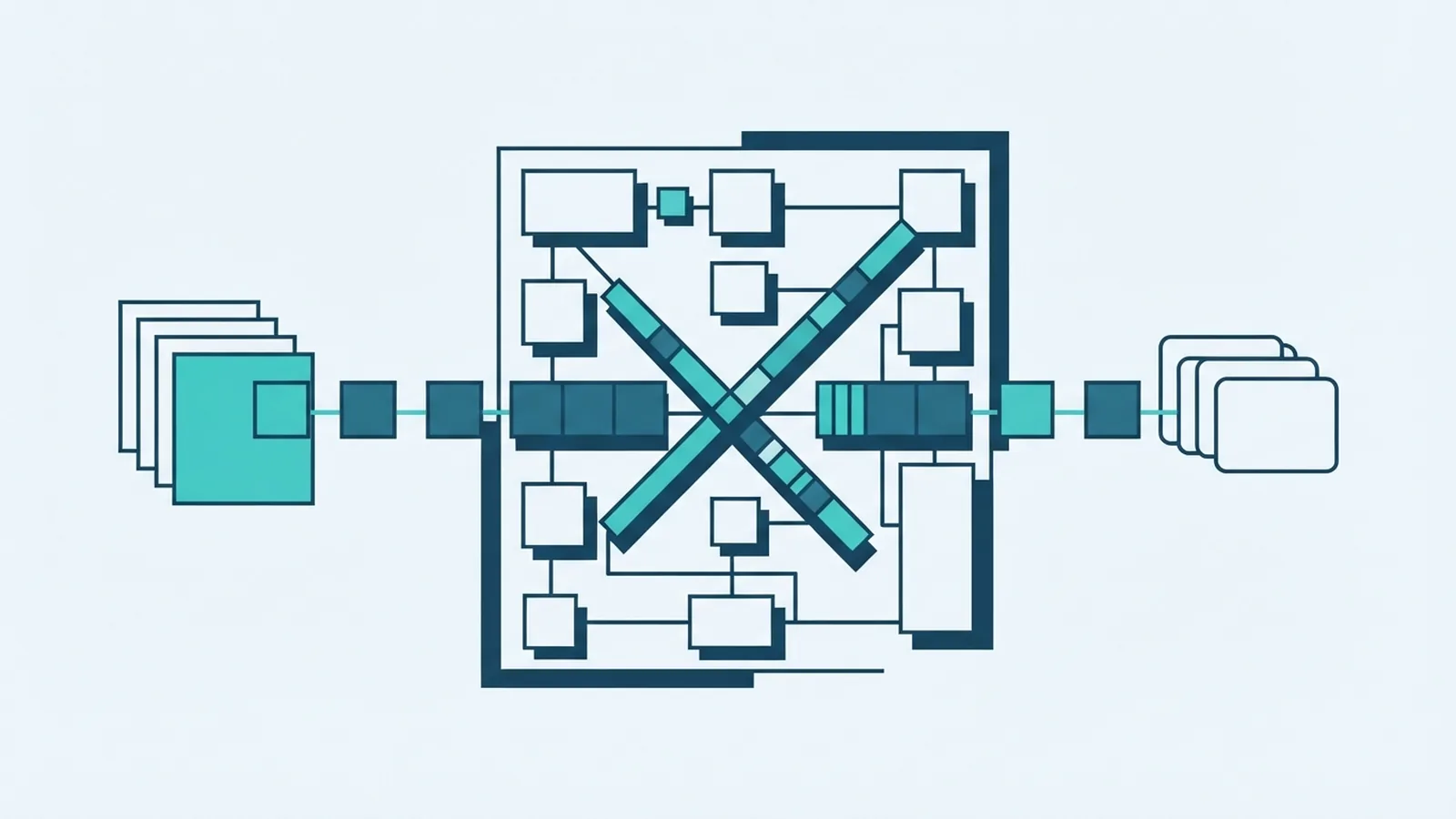
Large language models (LLMs) learn patterns from large amounts of text. They use those patterns to predict what comes next in a sequence. This helps them draft, sum up, translate, and sort written content.
How do LLMs work? First, software turns your prompt into small units called tokens. The model weighs those tokens against each other and its learned patterns. Then it predicts one token at a time until it forms a reply.
This process can produce clear, fluent text. It does not prove the answer is true or show that the model thinks like a person. The model draws on patterns in its training and the prompt it receives.
So, how long is an LLM? The phrase can mean the model's context window, its size, or how many years it took to build. There is no single length or build time. A context window sets how much text a model can handle in one request.
- LLMs predict text from learned patterns.
- Tokenization breaks text into smaller units.
- Transformers help models weigh links across a prompt.
- Fluent output can still contain errors or bias.
How LLMs Are Trained
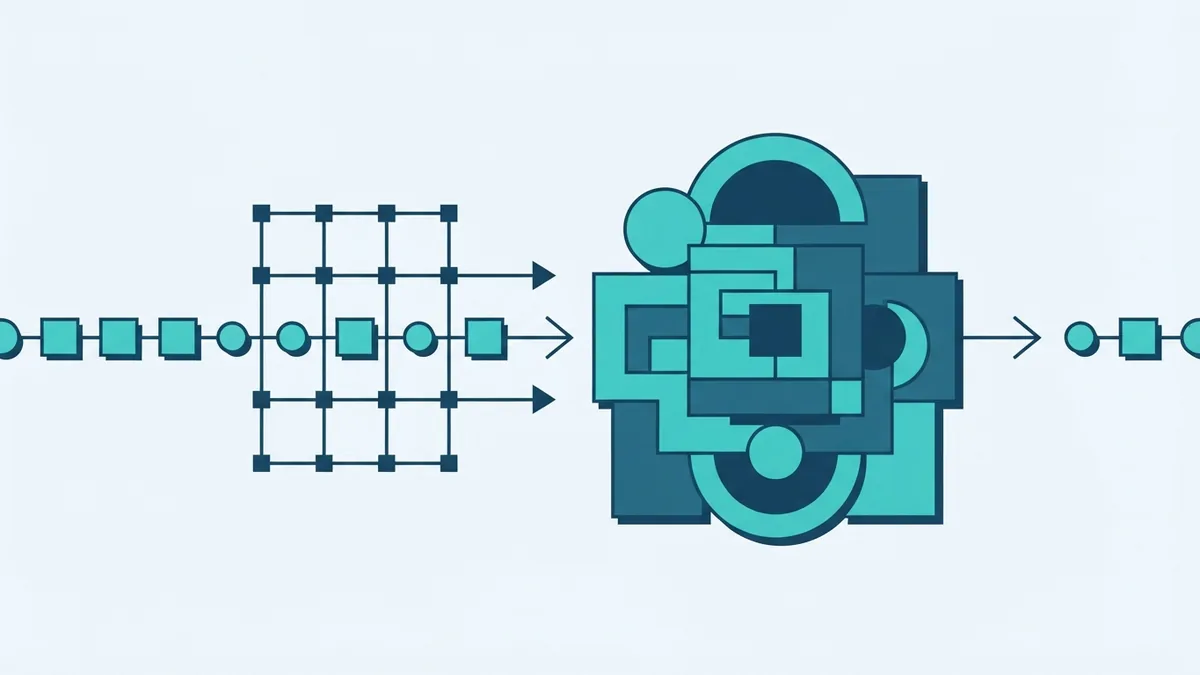
How are LLMs trained? Teams gather large text sets from sources such as books, websites, and licensed data. They filter and prepare the data before training. The model learns from examples, but it does not act like a searchable copy of every source.
Tokenization breaks text into manageable parts. A token may be a word, part of a word, or punctuation. The model then learns to predict a missing or next token. This approach is called self-supervised learning because the text itself provides the learning signal.
During training, the model makes a guess and compares it with the next token in the example. A learning process adjusts the model's parameters to lower the error. Parameters are values that shape how the model responds. Repeated many times, this process teaches patterns in language and ideas.
Training can take substantial computing power and time. A model's parameter count is one measure of its size, but it does not show quality on its own. Data, model design, and testing all affect how well it works. There is no fixed number of LLMs; new models and versions appear often.
People asking how many LLM models are there should note that counts depend on what qualifies as a model. Public releases, private systems, and updated versions make any total change over time. The useful question is which model fits a task and its limits.
Key Mechanisms Behind Each Reply
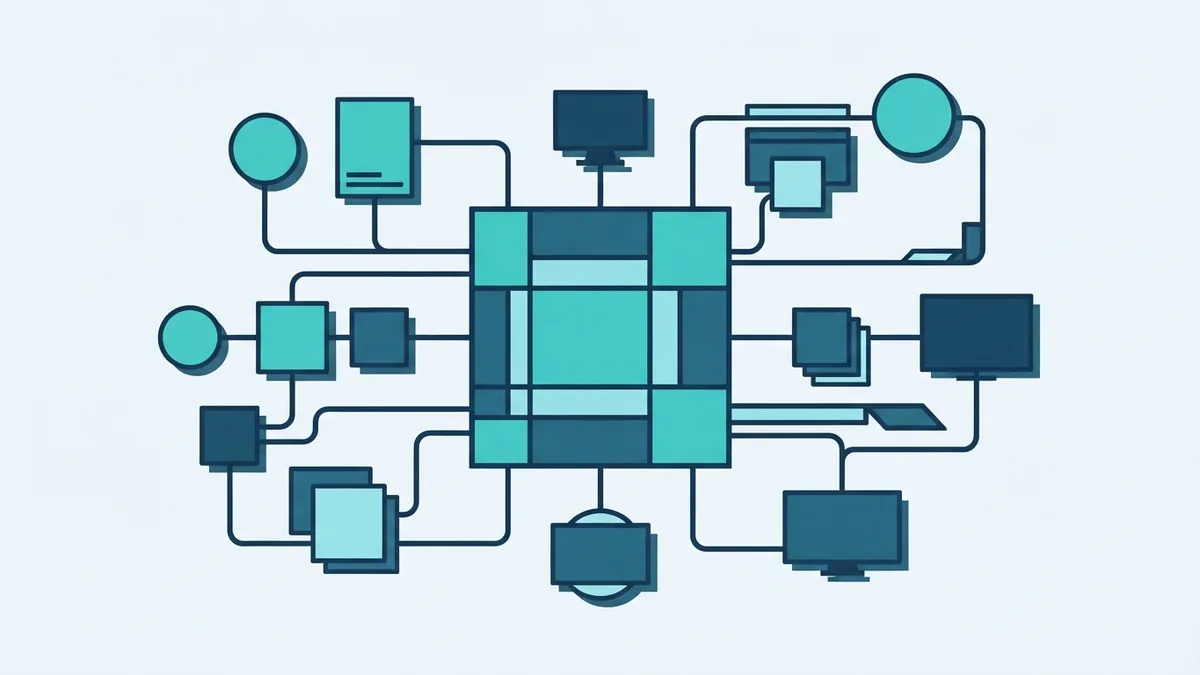
Many LLMs use transformer architecture. Transformers can weigh links among tokens across a sequence. Earlier language tools often handled text in a more fixed order. The transformer design helped make it easier to process broader context.
Self-attention lets a model weigh which tokens matter for a given part of the input. In “The dog chased the ball because it was moving,” context may help link “it” with “the ball.” The model uses such links to build a working view of the prompt. It then predicts the next token.
A context window sets how much input a model can consider at once. If a file is too large, a system may need to split or shorten it. A longer window can help with large documents, yet the model may still miss details. Keep key facts and instructions easy to find.
A basic diagram of how an LLM works would show text turning into tokens, tokens gaining links, and a reply forming one piece at a time. This sketch helps explain how an LLM works, but leaves out many inner steps. It is a simple model of a complex process.
Fine-Tuning and Improving LLM Responses
Fine-tuning adjusts a trained model with examples for a focused task. A support team might use approved question-and-answer pairs to shape replies. The aim is to make answers more useful in that setting. Results still need careful checks.
Some teams use reinforcement learning from human feedback, often called RLHF. People rate sample answers, and the model is tuned to favor replies that match those ratings. This can help with tone and instruction following. It cannot ensure every answer is right.
Teams can also add trusted source material without changing the model's core values. Retrieval-augmented generation, or RAG, is one way to do this. The system finds useful documents, then gives them to the model as context. This can help answer questions about current or private material.
How to optimize content for an LLM depends on the task. Use clear headings, direct facts, and stable terms. Put the key answer near the start of each section. For systems that use RAG, well-structured source pages can be easier to find and use.
- Set a narrow task and clear measures of success.
- Use examples that reflect real requests.
- Check answers for accuracy, bias, and tone.
- Repeat the same tests after each change.
Common Applications of LLMs
LLMs can draft text, sum up long files, translate, and sort written content. They can also pull key details from a document or suggest a first reply to a support request. These tasks work well when language is the main input or output.
For business use, start with a task that has a clear human review step. For example, a model might draft a reply from approved support notes. A staff member can check the facts and tone before sending it. This keeps the model from making the final call.
LLMs can also help with code, such as explaining a short function or drafting a test. Treat generated code as a draft. Run it in a safe test setup and review it before use. A model can produce code that looks sound but fails in practice.
Challenges, Safety, and Limits
Training data can carry bias, gaps, or old claims into a model's replies. Filters and tests can lower these risks, but cannot remove them all. Teams should test with varied examples and check outcomes for unfair patterns.
Hallucinations are claims that sound sure but lack good support. To reduce hallucinations in an LLM, give it trusted sources and ask it to show where key facts came from. Set rules for when it should say it does not know. A person should check high-impact answers.
Some prompts try to trick a model into ignoring its rules. This is often called a jailbreak. Teams should test for such attacks as part of safety work, not seek ways to bypass safeguards. The NIST AI Risk Management Framework offers a trusted way to think about AI risks across a system's life.
Privacy is another concern. Do not send private data to a tool unless its data terms and controls fit your needs. Limit access, keep records of tests, and review changes before release. These steps help teams spot issues early.
The Future of LLM Technology
LLMs are likely to handle more kinds of input, such as text, images, and audio. Tools may also connect models to search, records, or other services. This can make replies more useful, while adding new points of failure.
Better tests will matter as models take on more work. Teams can track errors, bias, cost, and response time. They should also keep a person in charge when a wrong answer could cause harm. The best model is the one that meets the task's needs and can be checked.
LLMs will keep changing, so no one model or method suits every job. A sound plan starts with a small use case, trusted data, and clear checks. Then teams can expand only when results hold up.