
Understand Agile Scrum — Roles, Events, and Sprints
Introduction to Agile Scrum
Agile Scrum software development is a way to build software in short cycles, learn from results, and adjust the next steps. A team works in fixed periods called sprints, often two weeks long. Each sprint aims to deliver a usable part of the product.
Scrum is an Agile framework, not a detailed recipe for every task. It gives teams a shared structure for planning, building, checking, and improving their work. If you are asking, “what is Scrum in software development?”, think of it as a small set of roles, events, and work items that help teams deliver value in steps.
Rather than wait months to show a finished product, the team shares progress often. Stakeholders can give feedback while changes are still manageable. This makes Scrum useful when needs may shift as people use the software.
How Scrum began
Scrum grew from ideas about how teams can handle complex work. In 1986, Hirotaka Takeuchi and Ikujiro Nonaka described a team-based approach to product development. They compared it to a rugby team moving together toward a shared goal.
Ken Schwaber and Jeff Sutherland later shaped Scrum as a software development framework. They presented it to the software community in the 1990s. The Scrum Guide now sets out its roles, events, and artifacts.
Scrum has kept its core structure while teams have adapted how they use it. The framework does not prescribe coding tools, team size, or a single engineering method. Teams can pair it with practices such as automated testing and continuous integration.
The principles that guide Scrum
Scrum rests on three pillars: transparency, inspection, and adaptation. Transparency means the team and stakeholders can see the work and its status. Inspection means checking progress and results often enough to spot problems.
Adaptation means changing the plan or the way of working when evidence calls for it. These pillars support empirical work: teams make choices based on what they can observe, not on guesses alone. The official Scrum Guide defines these pillars and the Scrum framework.
Scrum also names five values: commitment, focus, openness, respect, and courage. In practice, this means making a shared goal visible, raising risks early, and treating different views with care. The values matter most when a team faces pressure or a hard choice.
Scrum is not a promise that every sprint will go to plan. It gives teams a steady way to learn and respond. That is the point.
The Scrum framework in a software project
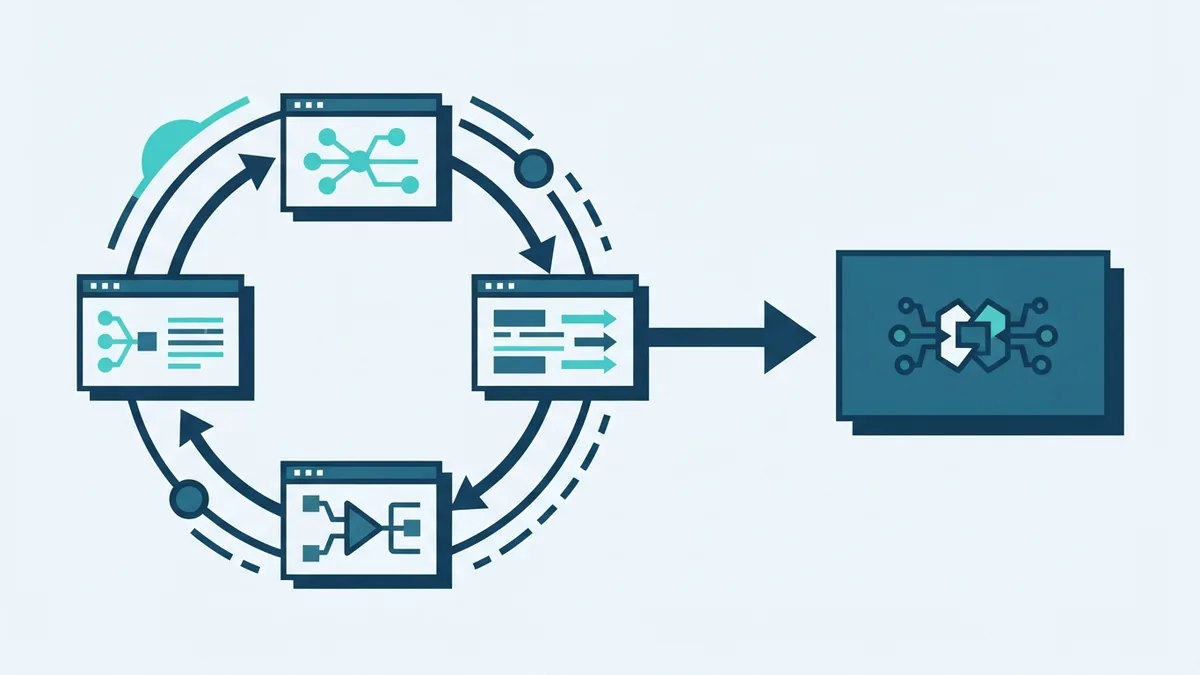
A Scrum project moves through repeating sprints. Many teams choose two weeks, though the Scrum Guide allows a sprint of one month or less. Shorter cycles can help teams get feedback sooner, but the team needs enough time to produce a useful result.
Before work starts, the Product Owner orders the product backlog. This is a ranked list of product work, such as user needs, fixes, and technical tasks. At sprint planning, the team picks a goal and selects work it believes can reach that goal.
During the sprint, the team builds and checks the selected work. It meets each day to review progress and adjust its plan. At the end, it shows the result, gathers feedback, and considers how to improve its process.
- Set a product goal: Make the intended product outcome clear to the team.
- Order the backlog: Put the most useful and timely work near the top.
- Plan a sprint: Agree on a goal and choose work the team can complete.
- Build and check: Work together, test changes, and track progress each day.
- Review and improve: Show the result, hear feedback, and choose a process change.
This Scrum software development process repeats until the product goal is met, changed, or no longer useful. The Scrum software development life cycle is not a separate set of phases. It is a loop of planning, delivery, feedback, and change.
Scrum roles and responsibilities
Scrum defines three accountabilities: Product Owner, Scrum Master, and Developers. Together, they form one Scrum Team. The team has the skills needed to create a usable product increment, and it manages its own day-to-day work.
The Product Owner is accountable for product value and backlog order. They make goals clear, speak with stakeholders, and decide which work matters most. This role does not mean acting as a task manager for the developers.
The Scrum Master helps people understand and use Scrum well. They coach the team, support useful events, and help remove barriers to progress. They are not the team's boss.
Developers plan and do the work needed to create the increment. In software teams, this can include design, coding, testing, and release work. The whole team owns quality and progress toward the sprint goal.
Scrum events and artifacts

Scrum events give the team regular points to plan, inspect, and adapt. Sprint planning sets the goal and work plan. The daily Scrum is a short, team-led check on progress toward that goal; it is not a status report to a manager.
The sprint review brings the team and stakeholders together to inspect the result and discuss what to do next. The sprint retrospective focuses on the team's own process. It should end with a useful improvement, such as adding a test step or clearing a handoff delay.
Scrum artifacts make the work and its state visible. Each artifact has a commitment that helps focus the team: the Product Goal, Sprint Goal, or Definition of Done. These commitments link planned work to a clear outcome.
| Artifact | What it contains | Commitment |
|---|---|---|
| Product backlog | Ordered work needed to improve the product | Product Goal |
| Sprint backlog | Sprint goal, chosen work, and the plan to deliver it | Sprint Goal |
| Product increment | A usable step forward that meets the team's quality bar | Definition of Done |
A backlog is not a fixed contract. The Product Owner can reorder it as new facts emerge, while the team protects the sprint goal. If new work threatens that goal, the team and Product Owner discuss the impact rather than quietly adding tasks.
Why teams use Scrum, and how to start
Scrum can help teams deliver useful work sooner and spot risks before they grow. Frequent reviews give stakeholders a chance to steer the product with real examples. A visible backlog also helps teams explain trade-offs and keep the next work in view.
It can improve teamwork, too. A shared sprint goal gives people a reason to coordinate across roles. Retrospectives create a regular place to fix friction, such as slow code reviews or unclear acceptance needs.
Scrum does not fix weak goals, poor communication, or limited skills by itself. Too many meetings, oversized sprint plans, and hidden work can turn it into process without progress. Keep events focused on decisions and learning.
To try Scrum, choose a real product goal and form a team with the skills to deliver a usable change. Start with a small backlog, agree on what “done” means, then run a two-week sprint. Review what shipped and make one specific improvement for the next cycle.
Measure progress through usable product increments and feedback, not only tasks closed. If the team can explain its goal, show working results, and adapt based on what it learns, Scrum is serving its purpose.