
Scrum Development Explained: Roles, Process and Best Practices

What Is Scrum Development?
Scrum development is an Agile framework for delivering useful work in small steps. Teams plan short work cycles called sprints. A sprint often lasts two to four weeks.
The team starts with a clear goal. It then builds, tests, and reviews a usable product increment. This scrum development model helps teams learn early and change course when needed.
Scrum suits work with changing needs. It gives stakeholders regular chances to review progress. The team can then adjust its plan without waiting for a large release.
Scrum is not a strict project plan. It is a simple system for planning, checking, and improving work. The official Scrum Guide defines its roles, events, and artifacts.
- Work is split into small, clear goals
- Teams review progress at set points
- Feedback shapes the next sprint
- Finished work stays visible to everyone
The Three Core Scrum Roles

Scrum has three key accountabilities. The Product Owner sets product goals and orders the work list. The Scrum Master helps the team use Scrum well.
The Developers build the product increment. They plan the work needed to meet the sprint goal. They also decide how to complete that work.
| Role | Main focus | Typical duties |
|---|---|---|
| Product Owner | Product value | Set goals, order work, and speak for users |
| Scrum Master | Team effectiveness | Remove blockers and improve Scrum use |
| Developers | Working software | Build, test, and deliver the increment |
The Product Owner does not act as a task manager. The Scrum Master does not act as the team boss. These clear boundaries support self-organizing teams.
One person may fill more than one role in a small team. Still, each duty must have a clear owner. Confused ownership can slow choices and hide risks.
How the Scrum Development Life Cycle Works
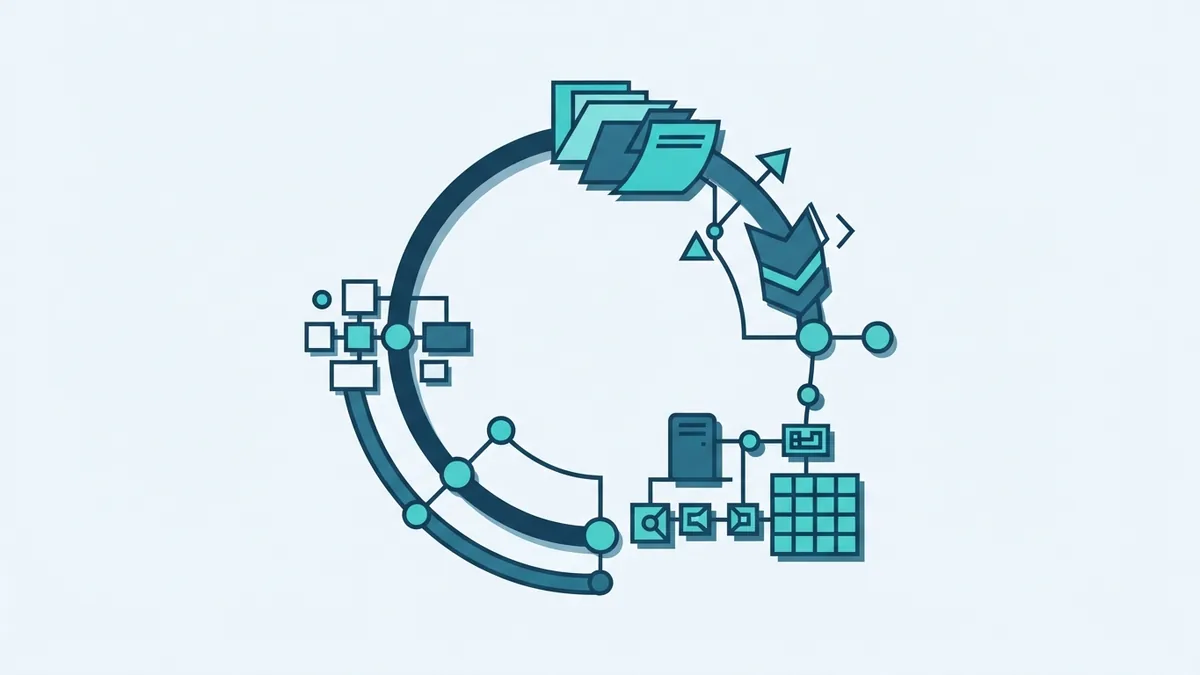
The scrum development life cycle repeats from sprint to sprint. Each cycle starts with a goal and ends with review and learning. The work stays visible throughout.
Sprint planning sets the goal and selects useful backlog items. The team checks its capacity and agrees on a realistic plan. Planning should create focus, not a long task list.
- Sprint planning: Choose a goal and plan the work needed.
- Daily Scrum: Check progress and spot issues each day.
- Development: Build, test, and refine the chosen work.
- Sprint review: Show the increment and gather feedback.
- Sprint retrospective: Find one or two ways to improve.
The Daily Scrum is a short team check. It is not a report to a manager. Developers use it to reset their plan for the next day.
At the sprint review, stakeholders inspect the working result. Their feedback may change the product backlog. The retrospective then looks at teamwork, tools, and flow.
This scrum development cycle gives the team many learning points. A two-week sprint may offer ten working days for delivery. A four-week sprint offers more room for large work, but delays feedback.
Scrum Artifacts Explained
Scrum artifacts make work and progress easy to see. Each artifact has a clear purpose and a related commitment. Together, they help the team manage risk.
The product backlog holds all known work for the product. The Product Owner orders it by value, risk, and need. Items near the top should have enough detail for planning.
- Product backlog: The ordered list of product work and needs.
- Sprint backlog: The sprint goal, chosen items, and delivery plan.
- Increment: The usable result that meets the team’s quality bar.
The sprint backlog can change as the team learns more. The sprint goal should remain stable. This balance lets the team adapt without losing focus.
An increment must be usable, even if the team does not release it. A clear quality bar helps prevent half-done work. It may cover code review, tests, security checks, and user notes.
Why Teams Use Scrum
Scrum helps teams spot wrong assumptions sooner. Stakeholders see working results often. This reduces the risk of building a large feature nobody needs.
Short sprints also make progress easier to track. A team can compare its sprint goal with the result. It can then change its plan using real evidence.
- Better focus: A sprint goal limits competing work.
- More trust: Open plans and reviews show real progress.
- Faster learning: Frequent feedback shapes product choices.
- Lower delivery risk: Small increments expose issues early.
- Stronger teamwork: Shared goals support joint problem solving.
Scrum also supports cross-functional teams. The team has the skills needed to move work from idea to usable result. This cuts handoffs between separate groups.
These gains do not come from meetings alone. The team must protect its sprint goal and deliver useful work. Good Scrum is a work system, not a calendar of events.
Common Scrum Challenges and Practical Fixes
Scope creep is a common problem. New requests enter the sprint and push out planned work. The Product Owner should place new needs in the product backlog first.
The team can then review the request against the sprint goal. If the goal no longer matters, the Product Owner may end the sprint. That choice should be rare and clear.
| Challenge | Warning sign | Useful response |
|---|---|---|
| Scope creep | Work enters without trade-offs | Protect the goal and reorder the backlog |
| Weak team trust | People hide risks or avoid debate | Set team rules and discuss facts openly |
| Poor sprint focus | Many items stay partly done | Limit work and finish key items first |
| Unclear ownership | Decisions wait for one person | Define roles and decision rights |
Team dynamics can also slow delivery. A loud voice may control every choice. Quiet risks may never reach the group.
The Scrum Master can use round-robin checks or small group talks. Retrospectives should end with one clear action. The team should review that action in the next sprint.
Some teams also turn the Daily Scrum into a status meeting. This wastes time and weakens trust. Keep the talk near the sprint goal and the next day’s plan.
Best Practices for Scrum Implementation
Start with clear roles and a shared product goal. Every team member should know who orders work and who guides the process. Write these duties down when the team first forms.
Keep the product backlog small enough to manage. Remove old ideas that no longer support the product goal. Add acceptance checks so the team knows what good work means.
- Set one product goal that guides key choices.
- Use a clear sprint goal for every sprint.
- Order backlog items by value, risk, and learning need.
- Break large items into slices that fit one sprint.
- Track blocked work and name its owner.
- Ask for feedback during reviews, not only after release.
- Choose one improvement action after each retrospective.
Keep planning based on recent team data. Past output can guide forecasts, but it is not a target. Capacity changes with leave, support work, and complex tasks.
Make quality part of the sprint plan. Test work as it grows, rather than at the end. This keeps the increment close to release-ready.
Finally, build a culture of feedback. Give feedback about the work and its effect. Listen without blame, then test small changes in the next sprint.
Is Scrum Right for Your Project?
Scrum works well when needs may change and users can review progress. It fits product teams, platform builds, and long-running digital services. Short feedback loops help when early plans hold some doubt.
Scrum may fit less well when every step has fixed rules and no change is allowed. Even then, some Scrum habits can help. Clear goals, visible work, and regular learning support many teams.
Try Scrum with a small product slice first. Use two-week sprints for the first month. Review delivery speed, work quality, and team health before scaling the model.
The strongest results come from steady use. Protect the sprint goal, keep work visible, and act on feedback. That is the heart of effective Scrum development.