
What Does API Mean? How APIs Work in Software
What Is an API?
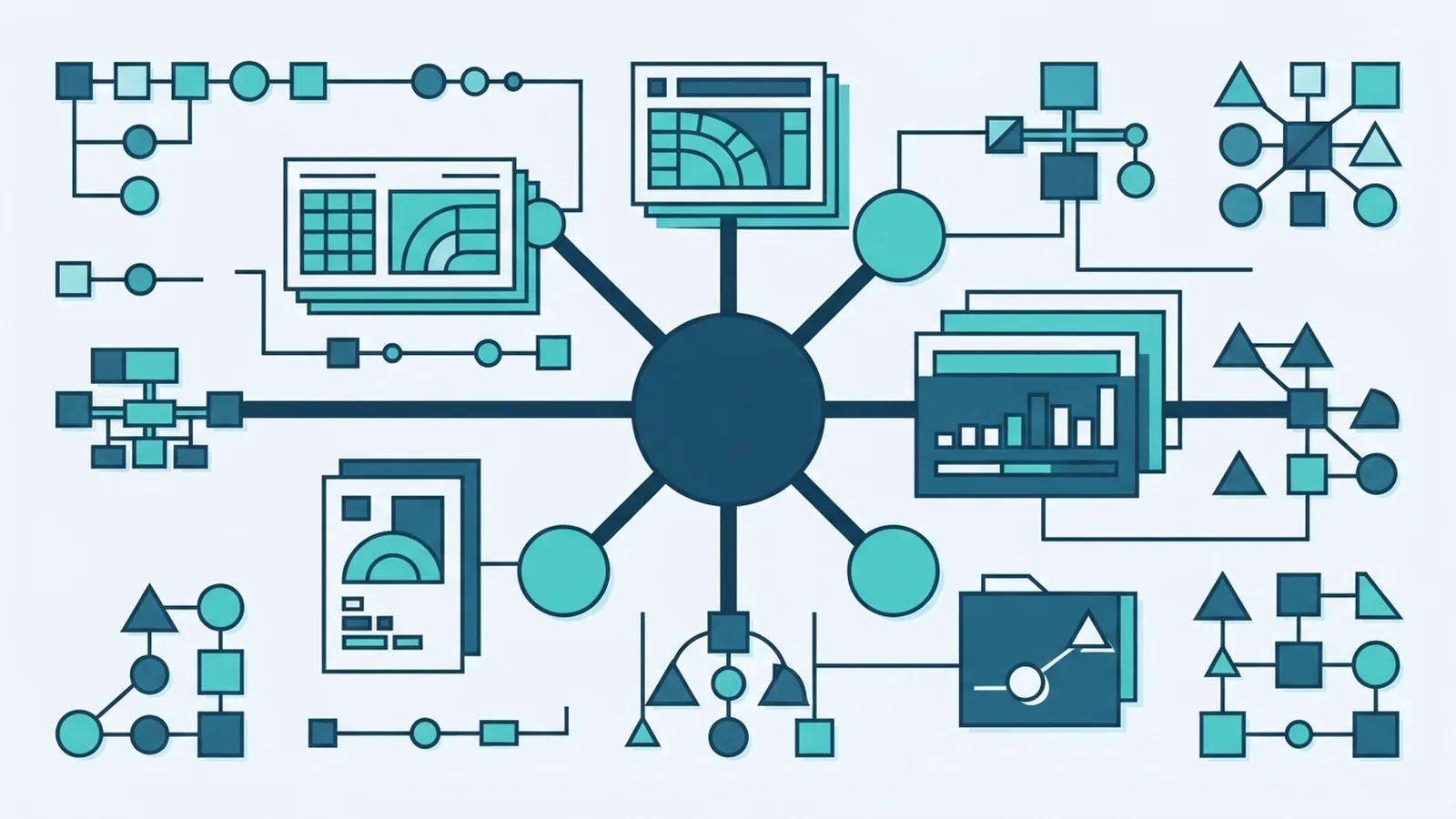
API stands for Application Programming Interface. It lets different software applications communicate with each other.
So, what does API mean in tech? It means a set of rules for software links. Those rules define requests, replies, data formats, and errors.
An API works like a contract between two systems. One system asks for an action. The other system handles it and sends back a result.
This answers the question, what does an API do? It gives one system a safe way to use another system's feature. The calling app does not need to know the hidden work.
For example, a shop can send payment data to a payment service. The shop then receives an approved or declined result. The payment service keeps its own checks private.
The MDN API definition describes this link between software parts. It also shows why APIs matter in modern web services.
How APIs Work: Requests, Responses, and Endpoints
An API often uses a client-server model. The client starts the exchange. The server receives the request and returns a response.
An API call is one request sent to an API. It can include a method, endpoint, header, and data. An endpoint is a set address for one resource or action.
What does an API look like in practice? It may look like a web address, such as /orders/482. A request can ask for that order. The response may contain JSON, a common data format.
Each response also has a status code. A 200 code means success. A 400 code often means a bad request. A 401 code means valid sign-in proof is missing.
- Request: The client asks for data or an action
- Access check: The server checks the caller's rights
- Processing: The server runs its own business rules
- Response: The server sends data, a result, or an error
Good API documentation lists each endpoint and its required fields. It should also show sample requests, replies, limits, and error codes.
What API Access and API Keys Mean
What does API access mean? It means permission to send requests to a service. A provider may grant access to some features but not others.
What is API access used for? A business may use it to read orders, create payments, or send alerts. The provider can limit access by account, role, plan, or request count.
What does API key mean? An API key is a secret value that identifies an app or account. It helps a service track and control requests.
What does an API key do? It tells the service which caller made the request. It does not always prove the identity of a human user.
What does an API key look like? It often looks like a long mix of letters and numbers. A safe example is key_test_7F3a9X2mQ8. Never copy a real key into public code or a public report.
Stronger systems also use short-lived authentication tokens. These tokens can include user rights and an expiry time. Keep secrets in server-side settings, not browser code.
API Types: Open, Partner, Internal, and Composite
API types often describe who may use an API. They can also describe how calls combine into one result.
Teams choose a type based on risk, reach, and business need. A private tool needs different controls from a public developer service.
| API type | Who uses it | Typical purpose |
|---|---|---|
| Open API | External developers | Offer public data or features |
| Partner API | Approved business partners | Share services across firms |
| Internal API | Teams inside one company | Link private apps and services |
| Composite API | One client or service | Combine several calls into one request |
Open APIs may need a key, account, or usage plan. Public access does not mean unlimited use.
Partner APIs support approved links between firms. A delivery firm might share shipment data with a retail platform.
Internal APIs connect services within one firm. They help teams reuse data without sharing direct database access.
Composite APIs bundle several actions into one call. They can cut delays for a mobile app. They also need clear error handling.
Common Uses of APIs in Real Products
APIs sit behind many tools people use each day. They link apps, payment firms, data stores, and cloud services.
A social sign-in button is one familiar example. The app sends a sign-in request to a social platform. The platform returns approved account details.
Payment processing is another key use. A shop sends order and payment data to a payment service. The service checks the payment and returns a result.
APIs can also retrieve data from outside services. A travel app may request weather data. A finance app may request exchange rates.
- Connect a shop to payment and fraud checks
- Fetch maps, rates, stock data, or shipping updates
- Send alerts through email or message services
- Sync customer data between sales and support tools
- Trigger tasks in an automation workflow
These links keep work in one flow. A customer can pay without leaving the shop. Staff can see fresh data without copying it by hand.
Understanding RESTful and SOAP APIs
REST and SOAP are two common ways to build web services. They solve related problems through different rules.
What does RESTful API mean? RESTful means an API follows REST principles. REST stands for Representational State Transfer.
A RESTful API often uses standard web methods. These include GET for reading, POST for creating, PUT for changes, and DELETE for removal.
REST usually sends data in JSON. It keeps each request self-contained. This design can make services easy to scale and use.
SOAP stands for Simple Object Access Protocol. It uses a strict message format based on XML. SOAP can suit systems that need formal rules and strong message checks.
The W3C SOAP specification defines the message rules for SOAP services. This source is useful when a team needs the original standard.
| Feature | RESTful API | SOAP API |
|---|---|---|
| Style | Web design principles | Formal message protocol |
| Common format | JSON | XML |
| Best fit | Web and mobile services | Strict business systems |
What Does an API Gateway Do?
What does an API gateway do? It acts as a front door for several services. Clients send requests to the gateway instead of each service.
The gateway can route each request to the right service. It may also check keys, limit traffic, cache replies, and record faults.
This setup can make a large system easier to manage. Clients use one public entry point. Internal services can change without forcing every client to change.
A gateway is not a replacement for good service design. Poor routes, weak access rules, or unclear errors still cause trouble.

Benefits of APIs in Software Development
What does API mean in software? It means a planned way for software parts to share features and data.
What does API mean in coding? It means calling a defined service rather than rebuilding its work. What does API mean in programming? The idea is the same.
What does API mean in software development? It means building clear links between systems. These links let teams work on separate parts with less overlap.
- Reuse: Teams can call one service from many apps
- Speed: Developers avoid rebuilding common features
- Choice: A firm can swap parts behind a stable API
- Automation: Systems can act without manual data entry
- Better service: Users get faster, smoother workflows
APIs also support payment flows and partner links. They help firms grow without giving every app direct database access.
API on a Boarding Pass: A Different Meaning
What does API mean on boarding pass records? In travel, API can mean Advance Passenger Information.
This use has nothing to do with a software interface. Airlines may collect passport and travel details before a flight. They may send those details to border agencies.
So, the meaning depends on context. In tech, API usually means Application Programming Interface. On a boarding pass or travel record, API may refer to passenger data.
Check the airline or border agency's guidance for exact details. Do not treat travel API data as a software API key.
Best Practices for API Integration
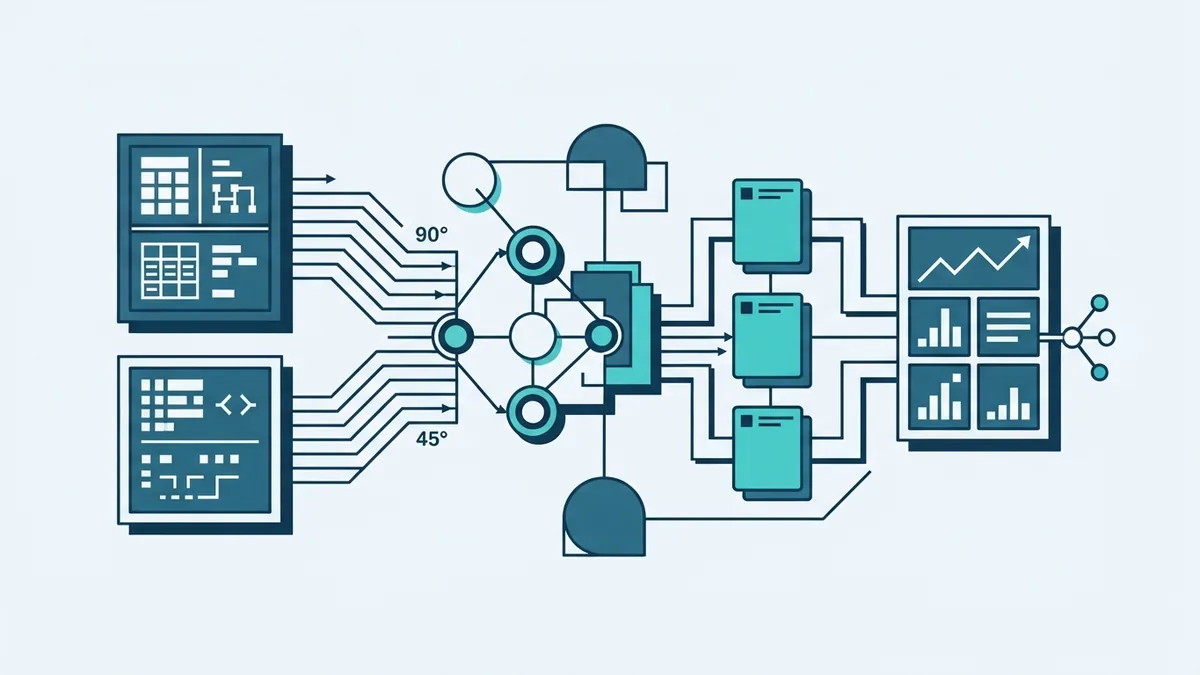
Start with the provider's documentation. Check the endpoint, fields, access rules, and rate limits before writing code.
Keep secrets out of source files and client-side scripts. Give each app only the access it needs. Replace exposed keys at once.
Plan for failed calls. Set time limits, handle retries with care, and show useful error messages. Log enough detail to find faults without storing private data.
- Define the data and actions your app needs
- Choose the right API and check its access rules
- Test normal replies, errors, delays, and limit cases
- Protect keys and tokens in server-side settings
- Track call volume, faults, and service health
- Review the link when the provider changes its API
Good integration work keeps the contract clear. It also makes future changes safer for every connected system.