
How the Software Development Life Cycle Works
What Is the Software Development Life Cycle?
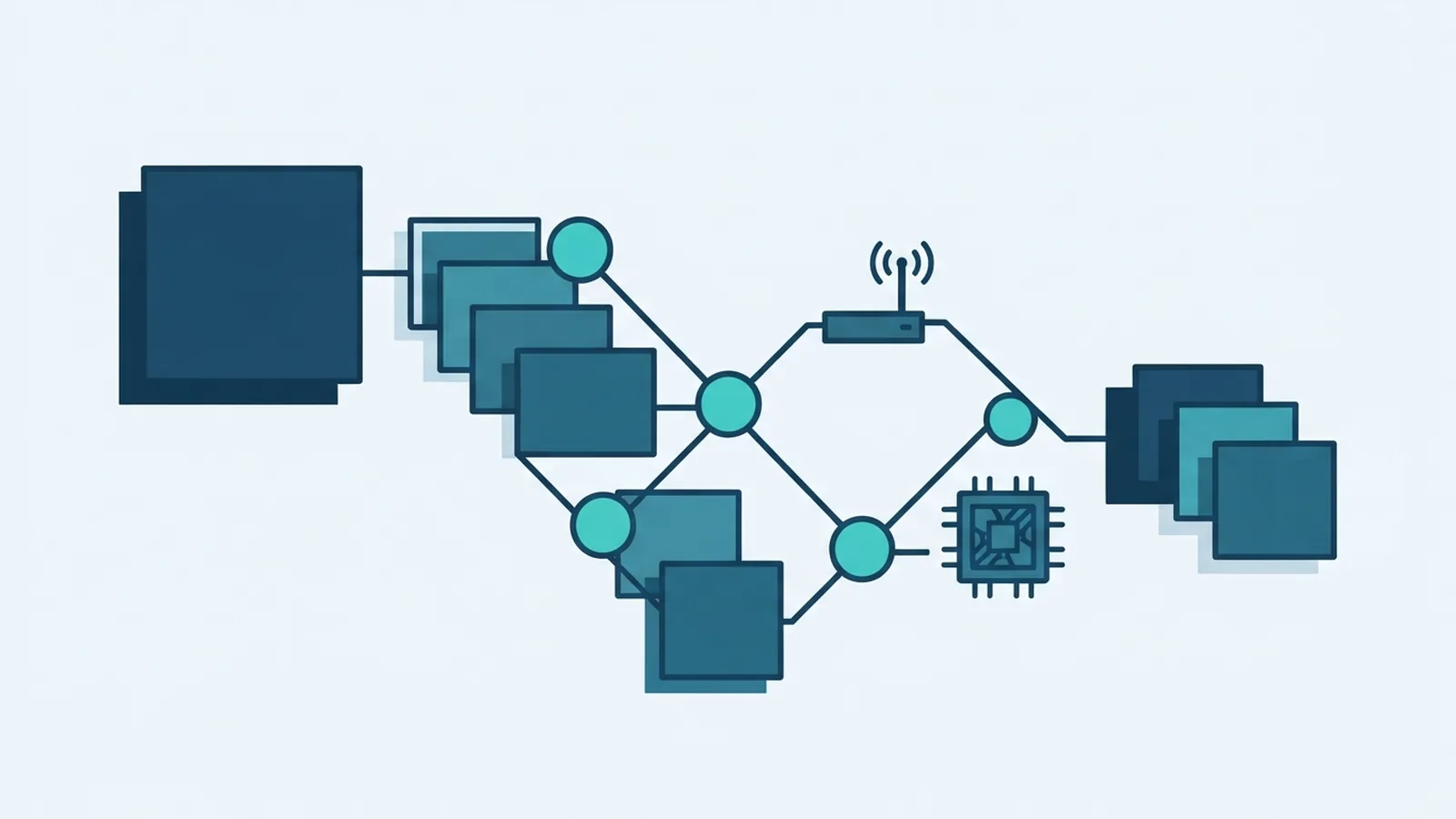
The software development life cycle is a clear way to plan, build, test, and support software. It turns a broad idea into a working product with known checks.
So, what are software development life cycle stages? Most teams use seven phases: planning, analysis, design, coding, testing, deployment, and maintenance. Each phase has a goal and a set of outputs.
The next phase uses those outputs. This link helps teams find gaps before they become costly faults. It also gives owners a clear view of progress.
You may see the terms software system development life cycle and software project life cycle. They often describe the same broad work. The first term can cover a wider system, while the second often focuses on one project.
In short, SDLC means software development life cycle. Some teams write it as SDLC system development life cycle. Both terms point to a planned path from need to live service.
Key Phases of the SDLC
The first step in the software development life cycle is usually planning. The team sets the problem, scope, budget, time, and roles. Good planning limits waste.
- Planning: Set goals, costs, risks, team roles, and success measures.
- Analysis: Gather needs from users, owners, support staff, and technical teams.
- Design: Map system parts, data flow, screens, access rules, and key tools.
- Coding: Build, review, and store the product code in a shared code base.
- Testing: Check features, speed, safety, access, and user needs.
- Deployment: Move the product into live use through a safe release plan.
- Maintenance: Fix faults, patch risks, improve speed, and add useful changes.
Planning in software development life cycle work should name the business goal. Analysis then turns that goal into clear needs. These needs should be testable and ranked by value.
Design sets the system shape before coding begins. Coding turns the design into working features. Testing checks both the feature and the wider system.
Deployment in software development life cycle work needs care. Teams can release to a small user group first. Maintenance then tracks faults, feedback, cost, and system health.
| Phase | Main question | Useful output |
|---|---|---|
| Planning | Why build this? | Project brief |
| Analysis | What must it do? | Needs list |
| Design | How will it work? | System design |
| Testing | Does it work safely? | Test record |
| Deployment | How will it go live? | Release plan |
Different SDLC Methodologies and Models
Software development life cycle methodologies set the order and pace of work. The right choice depends on risk, change, team size, and feedback needs.
Waterfall follows fixed stages in a set order. It suits stable needs, formal approval, and strict records. It can struggle when users change key needs late.
The software development life cycle Agile model uses short work cycles. Teams build a small set of features, test them, and seek feedback. This agile software development life cycle suits products with changing needs.
Iterative work starts with a basic version. Each round adds detail, fixes faults, or tests a new idea. Spiral work adds formal risk checks to each round.
These are common models of system development life cycle work. A team may also blend them. For example, it can use a fixed approval step with short build cycles.
| Model | Best fit | Main trade-off |
|---|---|---|
| Waterfall | Stable needs and strict records | Late change costs more |
| Agile | Fast feedback and shifting needs | Needs strong team habits |
| Iterative | Early versions and steady learning | Scope may grow |
| Spiral | Large systems with high risk | Needs skilled risk review |
A system development life cycle methodology should match the work. Do not pick Agile only because it is popular. Do not pick Waterfall only because it looks simple.
Why SDLC Matters for Software Engineering
SDLC gives a team one shared plan. It helps owners and builders agree on goals before code takes shape. This improves project focus.
Software development life cycle project management also makes progress easier to track. Leaders can set review points, assign work, and spot delays early. They can compare planned work with real results.
A strong process supports better risk control. Teams can check payment limits, data flows, access rules, and supplier links before launch. Small checks can prevent large repair bills.
Software engineering development activities also benefit from clear records. Software development life cycle documentation may include needs, designs, test cases, approvals, and release notes. These records help new team members learn the system.
The same approach fits a software product development life cycle. It also fits a SaaS development life cycle, where live updates happen often. The detail level changes, but the core checks still matter.
Security Across the SDLC
Security should start during planning. The team should name sensitive data, user roles, likely threats, and legal duties. Waiting until testing can leave deep flaws in the design.
DevSecOps brings security checks into daily build and release work. It joins development, security, and operations around shared checks. The devops life cycle then becomes a loop of build, test, release, watch, and improve.
The NIST Secure Software Development Framework gives teams a trusted set of secure build practices. It covers safe code work, flaw checks, and response planning.
- Review access needs during analysis.
- Threat model key flows during design.
- Scan code and third-party parts during coding.
- Test abuse cases during the testing phase.
- Watch logs and patch flaws after deployment.
Software development life cycle testing should cover normal use and misuse. A payment service needs checks for failed payments, replay attempts, refunds, and weak access. Security is part of quality.
Common SDLC Mistakes
Poor requirements gathering is one common failure. Teams may build what one owner asked for without checking user needs. Short interviews and clear acceptance rules can expose gaps.
Inadequate testing creates another risk. A team may test only the main path and skip slow networks, bad input, or failed supplier links. Test data should match real use.
Lack of stakeholder involvement can also weaken the result. Owners, support staff, users, and risk teams each see different problems. Bring them into key reviews.
- Starting coding before the goal is clear
- Letting scope grow without a trade-off
- Keeping decisions out of the project record
- Leaving user acceptance testing until launch week
- Skipping a rollback plan for deployment
These mistakes often link together. Weak needs lead to weak tests. Weak tests then create rushed fixes after release.
SDLC Best Practices for Better Delivery
Start with a small, clear outcome. Give each need an owner and a test. Keep the list short enough for the team to use.
Review risk at every phase. Keep design notes, test results, and release choices in one shared place. Good records reduce repeat work.
Use feedback before the final release. A working pilot can reveal issues that meetings miss. Measure results against the goal set during planning.
The final step in the software development life cycle is often called maintenance. In practice, the cycle starts again after release. Teams learn from live use and plan the next safe change.
There is no single standard software development life cycle for every team. The best process fits the product, risk level, users, and release pace.
Conclusion
The SDLC explains how teams move from a need to a supported product. Its seven phases create clear goals, checks, and outputs.
Waterfall, Agile, Iterative, and Spiral models each suit different work. Security, testing, and user feedback should run through every model.
Use the SDLC as a working guide, not a rigid checklist. Adjust the process while keeping clear needs, strong tests, useful records, and safe releases.