
SDLC Cycle — Phases, Models, and Secure Delivery
What Does SDLC Stand For?
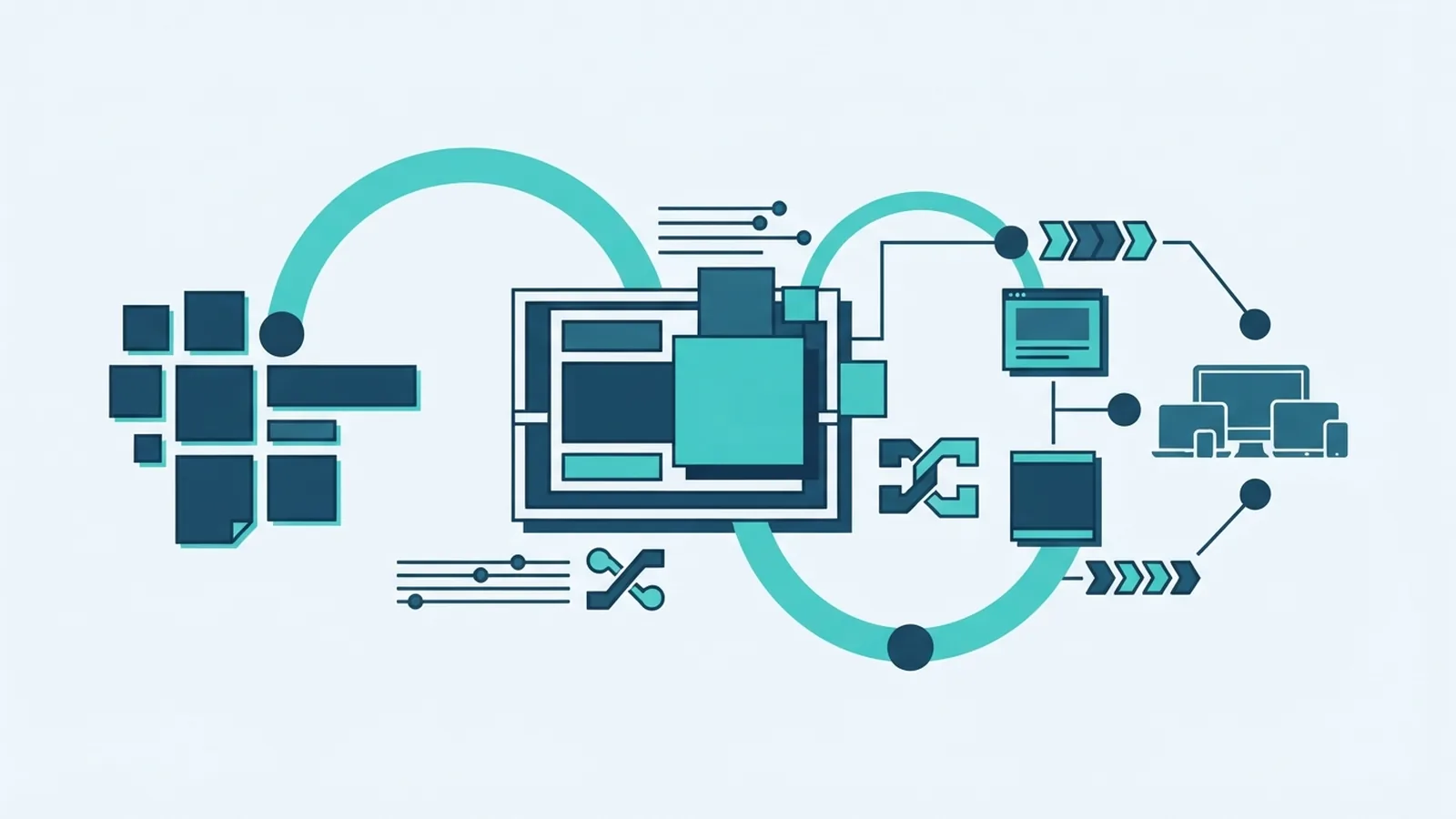
SDLC stands for Software Development Life Cycle. It is a planned way to build, test, release, and support software.
If you search “SDLC what is,” the short answer is simple. The SDLC cycle gives teams a shared path from an idea to a working product.
To describe SDLC in plain terms, it connects business needs with engineering work. It also sets review points before costly mistakes reach users.
A full SDLC covers planning, analysis, design, development, testing, deployment, and maintenance. Teams may rename or merge some phases.
- Set goals, scope, cost, and risks
- Study user and business needs
- Design the product and its architecture
- Build, test, release, and support the software
SDLC in programming does not mean one language or tool. It describes the work around code, whether teams use Python, JavaScript, or another language.
Phases and Activities of the SDLC
The main SDLC steps follow a useful order. Agile teams may repeat several steps during each short work cycle.
| Phase | Main activity | Typical output |
|---|---|---|
| Planning | Set goals, scope, cost, and risks | Project plan |
| Analysis | Gather needs and test assumptions | Clear requirements |
| Design | Shape systems, data, and access rules | Technical design |
| Implementation | Build, review, and integrate code | Working software |
| Testing | Check behaviour, speed, and safety | Test evidence |
| Deployment | Move a release into live use | Live service |
| Maintenance | Fix, watch, and improve the product | Stable service |
Planning sets the reason for the work. It should name users, success measures, budget, team skills, and major risks.
Requirements analysis turns broad needs into testable statements. “Fast checkout” should become a clear response target.
Design maps the system before deep build work begins. Designing the product architecture in SDLC work can expose weak links early.
Development in SDLC work turns that design into code. The team then joins parts through SDLC integration and tests key user paths.
Testing covers single units, linked parts, and the whole product. The SDLC and STLC differ here. STLC means Software Testing Life Cycle, and it focuses on test work.
The deployment stage in SDLC moves a checked release to users. SDLC deployment may use a slow launch, a canary release, or a quick rollback plan.
Maintenance starts after release. It includes fixes, alerts, updates, cost checks, and product changes.
SDLC Methodologies and Models
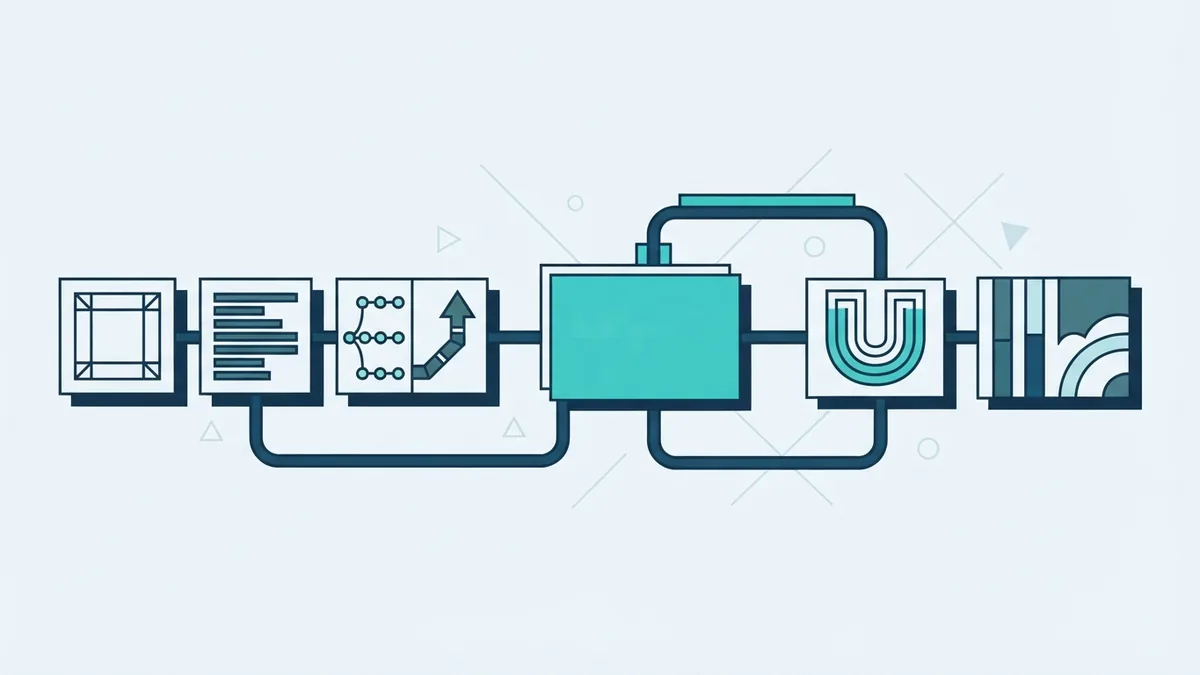
SDLC methodologies define how teams move through the phases. The best SDLC type depends on risk, change, team size, and user access.
Waterfall is a staged approach. An SDLC methodology Waterfall plan sets needs and design before build work starts.
The SDLC model Waterfall can suit stable needs and fixed review gates. Late changes can cost more because earlier work may need redoing.
Agile delivers small slices in short cycles. Scrum is one Agile method with set roles, work lists, and review meetings.
Scrum SDLC is not a separate life cycle. It is Scrum used to plan and deliver work across repeated SDLC activities.
When people ask about SDLC and Scrum, they often compare a broad delivery cycle with one Agile way of working. Scrum in SDLC helps teams learn from users sooner.
- Waterfall: Best for stable scope, fixed plans, and formal gates.
- Agile and Scrum: Best for changing needs and frequent user feedback.
- V-Model: Best when each build step needs a matching test step.
- Iterative SDLC: Best when teams need repeated learning and refinement.
- Spiral: Best for large work with high technical or business risk.
- DevOps: Best when build, test, release, and operations share one flow.
An iterative SDLC can lower risk through early versions. Teams learn from each version before they commit to more work.
DevOps adds automation and shared ownership. AWS SDLC guidance also shows how cloud tools can support planning, build, test, release, and monitoring.
So, is SDLC waterfall or agile? It can be either. Some teams use a mixed model with fixed discovery and Agile delivery.
Why the SDLC Matters
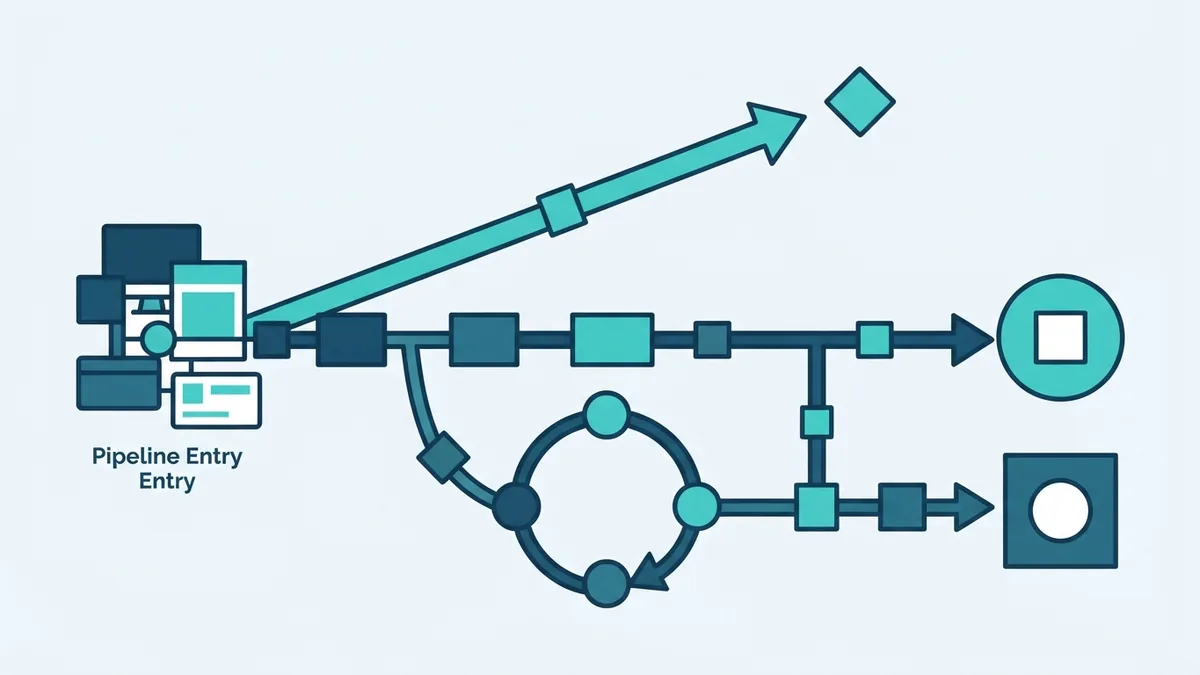
A sound SDLC improves project control. Everyone can see what the team will build, why it matters, and what comes next.
That shared view makes scope drift easier to spot. It also gives leaders better data for time, cost, and staffing choices.
Quality improves when teams test from the start. Early checks cost less than fixing a major fault after release.
Risk also falls when teams name failure paths early. They can add limits, backups, checks, or safer release plans.
The application of SDLC reaches beyond large firms. It helps teams build a website, mobile application, payment gateway, or game.
The best SDLC model for website development often blends Agile delivery with automated tests. A mobile product may need short releases and strong device tests.
An SDLC model for game development may favour iterative design. Player feedback can shape rules, levels, and performance over time.
SDLC engineering also improves handoffs. Written needs help developers, testers, product leads, and support staff share one view.
Common SDLC Mistakes to Avoid
Weak projects often start with vague needs. A team may build a feature that sounds useful but lacks a clear user goal.
Poor communication creates a second risk. Small changes can reach code without a shared record of cost, impact, or owner.
Teams also misuse checklists. An SDLC phase should guide useful work, not create paperwork with no link to product risk.
Rigid plans can fail when facts change. Flexible teams keep the goal clear while they change the route.
- Write needs as testable outcomes
- Record key design choices and trade-offs
- Review risks with both technical and business staff
- Test critical flows before the final release
- Track live faults and feed lessons into the next cycle
Another mistake is leaving testing until the end. Testers should join early discussions about risk, data, and user flows.
Teams should also avoid unclear ownership. Each major activity needs a named owner and a clear result.
Choosing the Right SDLC Model
Start with the work, not a favourite framework. Ask how stable the needs are and how costly failure would be.
Small website work may need a light Agile flow. A safety-sensitive service may need formal records, traceability, and review gates.
The best SDLC model for mobile application work depends on device range, release speed, and user feedback. Teams should also plan for store rules and older devices.
Use these questions before choosing a model:
- How likely are the requirements to change?
- How much risk comes from failure or downtime?
- How often can users review working software?
- How large is the team and how many systems must connect?
- What records must the team keep for audits or support?
A team can combine models when the work needs it. For example, fixed security checks can sit inside an Agile delivery cycle.
Measure the model by results. Look at escaped defects, lead time, failed releases, support load, and user value.
Integrating Security Across the SDLC
Security should start during planning. Teams should list sensitive data, likely threats, trust boundaries, and access needs.
The phrase “sec SDLC” often points to a secure SDLC. That means security checks run through each phase instead of waiting for a final review.
During design, teams can choose safer data flows and limit access. They can also plan logs, backups, key storage, and failure handling.
During build work, code review and dependency checks can catch common faults. During testing, teams can check permissions, input handling, and abuse paths.
The NIST Secure Software Development Framework gives teams a useful set of secure build practices. It supports planning, coding, testing, release, and response work.
Security continues after deployment. Teams need alerts, patch plans, incident steps, and clear owners for live risks.
Secure work is not a single SDLC stage. It is a habit that follows the product from idea to retirement.
How to Discuss SDLC in Practice
To discuss SDLC well, connect each phase to a real product need. Avoid listing phases without showing their purpose or output.
For example, a payment gateway team might study duplicate payments during analysis. It might then design idempotency, test retries, and monitor live failures.
That example shows the value of the full SDLC. Planning names the risk, design shapes the fix, testing checks it, and maintenance watches it.
The right model may change as the product grows. Review the process after major releases, incidents, or shifts in user needs.