
Understand Outsourcing — Types, Benefits, and Risks

What Is Outsourcing in Business?
What is outsourcing? It means hiring a third-party provider to handle work done in-house.
What outsourcing means can vary by task, contract, and business goal. A firm may outsource one task, a full process, or an entire business function.
Outsourcing is also called contracting out. The outside provider manages its staff, tools, and daily work. Your firm still owns the result and must set clear goals.
- In-house work: Your own staff run the task.
- Outsourced work: An outside firm runs the task for you.
- Offshoring: Work moves to another country.
- Nearshoring: Work moves to a nearby country or time zone.
What is the difference between offshoring and outsourcing? Outsourcing names who does the work. Offshoring names where the work takes place.
What is offshoring and outsourcing in practice? A UK firm may hire a local provider. It may also hire a provider in another country. The first choice is outsourcing without offshoring. The second choice uses both models.
In economics, outsourcing shifts work from one firm to another. What is outsourcing in economics? It is the purchase of work from an outside supplier. The shift can lower costs, spread skills, and change local jobs.
Outsourcing and telecommuting are examples of which workplace trend? They are examples of more flexible and distributed work. This trend uses outside teams, remote staff, or both.
Types of Outsourcing and Services
The main types of outsourcing differ by the work they cover. Some providers handle repeat tasks at scale. Others offer deep skills for complex work.
What is an outsourcing company? It is a firm that performs agreed work for other firms. It may serve one sector or support many industries.
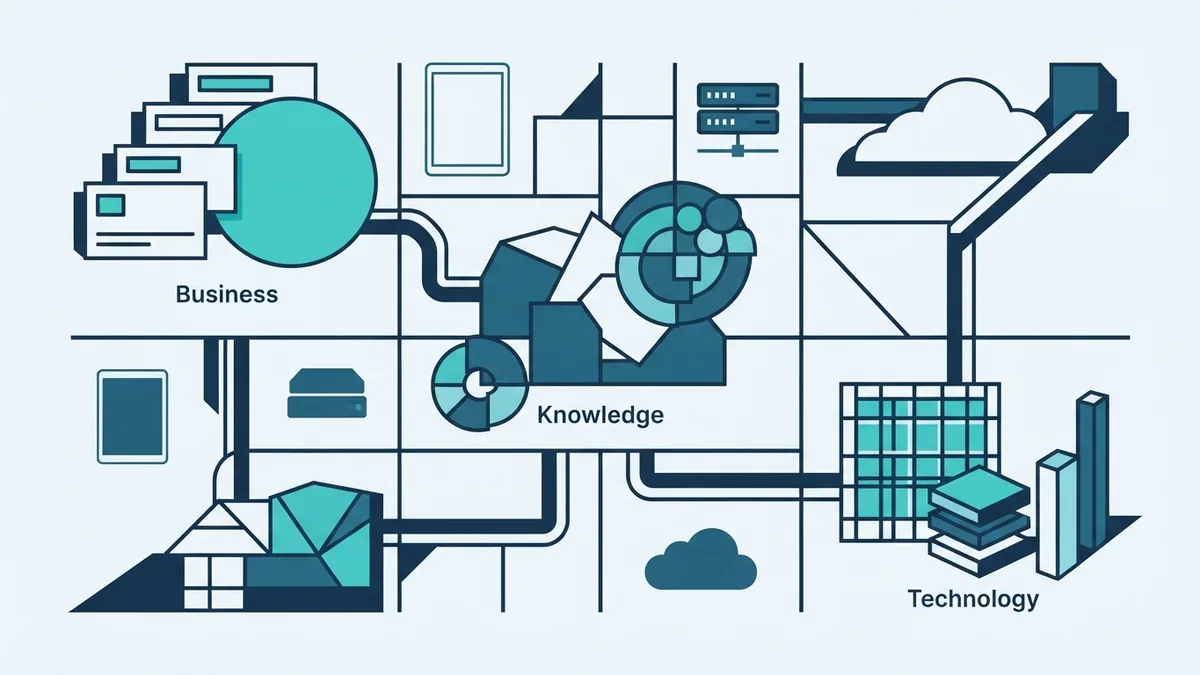
Business process outsourcing
What is BPO business process outsourcing? It is the use of an outside provider for repeat business tasks.
What is business process outsourcing? Common work includes customer service, billing, data entry, claims, and logistics. BPO outsourcing often uses set steps, staff shifts, and service targets.
What is outsourcing services in this setting? It may mean a help desk, payment review team, or order support desk. BPO works best when tasks have clear rules and steady demand.
Knowledge, legal, and IT outsourcing
What is knowledge process outsourcing? KPO covers work that needs expert judgment. Examples include market study, risk review, data work, and legal research.
What is legal process outsourcing? A legal service provider may review case files, check documents, or prepare research. A lawyer still owns legal advice and final decisions.
What is IT outsourcing? It means hiring an outside team for software, cloud tools, networks, or cyber work. Outsourcing IT development may cover design, coding, testing, or system support.
What is outsourcing software development? It is the use of an outside team to build or maintain software. What is outsourcing in software engineering? It is the same model applied to engineering work, such as testing, code review, or platform builds.
Software outsourcing models include staff augmentation, managed teams, and project delivery. Staff augmentation adds outside specialists to your team. A managed team owns a work stream. Project delivery uses a fixed scope, budget, or outcome.
Outsourcing in HR, Payroll, and Accounting
What is outsourcing in HRM? It means moving selected human resource tasks to an outside provider. The firm keeps control of people policy and key staff decisions.
What is HR outsourcing? It is the use of a specialist firm for part or all of the HR function. What is HR outsourcing services in practice? Services may include payroll, staff records, benefits support, and policy help.
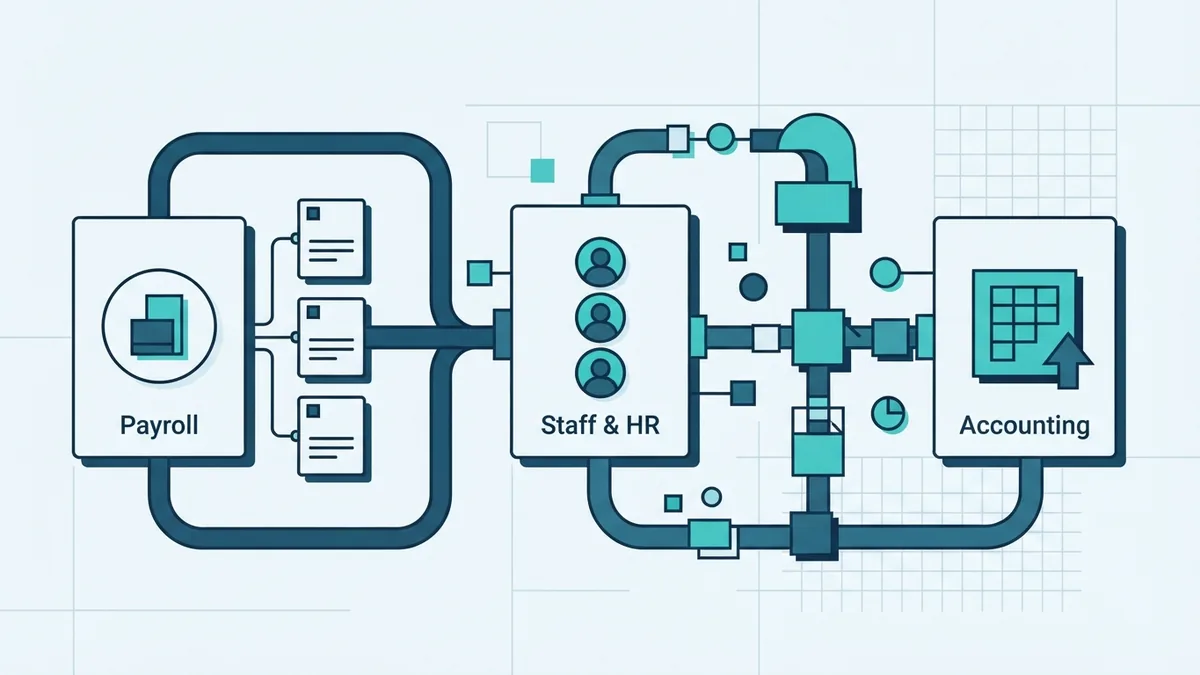
Recruitment and payroll
What is outsourcing recruitment? It means hiring an outside firm to source, screen, or schedule job candidates. The client often makes the final hiring choice.
What is payroll outsourcing? A provider calculates pay, handles tax files, and sends payroll reports. The client must still check worker data and approve each pay run.
HR outsourcing can help a small firm gain skills without hiring a full HR team. It also adds risk when staff data leaves the firm. Contracts should set access rules, response times, and breach steps.
Accounting work
What is accounting outsourcing? It means hiring an outside provider for bookkeeping, reports, or payment records.
What is outsourcing in accounting? A provider may match invoices, track costs, prepare accounts, or support tax work. A qualified adviser should review work that needs formal judgement.
Accounting outsourcing works well when records follow clear steps. It needs strong checks around bank access, approvals, and data changes.
Advantages and Benefits of Outsourcing
What are the advantages of outsourcing? A good provider can add skills, lower fixed costs, and help teams handle busy periods.
What are the benefits of outsourcing beyond cost savings? Firms can reach scarce skills without hiring full time. They can also free staff for core work, such as product design and risk planning.
What is the benefit of outsourcing for a growing payment firm? It may gain round-the-clock support without building every shift itself. It may also ship a new service sooner.

- Access to specialist skills and tools
- Lower fixed costs for repeat work
- Faster scale during busy periods
- More time for core products and customers
- Coverage across more hours or time zones
Cost savings are not automatic. Compare the full provider fee with pay, tools, training, management, and office costs.
Outsourcing in marketing can cover content, search work, campaign setup, or design. What is outsourcing in marketing? It is using an outside team for marketing tasks that could be done in-house.
The best results come from clear ownership. Set targets, share useful data, and review work at fixed times.
Disadvantages, Risks, and Good Choices
What are the advantages and disadvantages of outsourcing? The main gains are scale and skill. The main risks are less control, weaker quality, and data exposure.
Is outsourcing good or bad? Neither answer fits every firm. The outcome depends on the task, provider, contract, and level of oversight.
Why is outsourcing bad in some cases? A firm may chase the lowest price and lose key knowledge. It may also face slow fixes when the provider serves too many clients.
Control, quality, and data
Managers may have less control over daily work. A provider may change staff, tools, or work steps with little notice.
Service quality can fall when a contract rewards speed alone. Use sample checks, service targets, review calls, and clear paths for urgent issues.
Outsourced work may expose customer, payment, or staff data. Follow the ICO security guidance when setting access, breach, and review controls.
Vendor lock-in grows when one provider holds key data or custom code. Keep data in usable formats. Write an exit plan before the work moves outside.
How to choose a provider
Start with the task, not the vendor. Define the desired result, service level, data needs, and handoff points.
- List the work, cost, owner, and risks.
- Set service targets and quality checks.
- Check skills, references, controls, and financial strength.
- Write terms for data, change requests, payment, and exit.
- Start with a small pilot before wider rollout.
Good outsourcing needs steady communication and relationship management. Hold regular reviews and track missed targets. Keep a named owner on both sides.
Outsourcing is a tool, not a business strategy by itself. Use it when an outside team can add clear value without weakening control.