
Understand the SDLC: Phases, Models, and Why They Matter
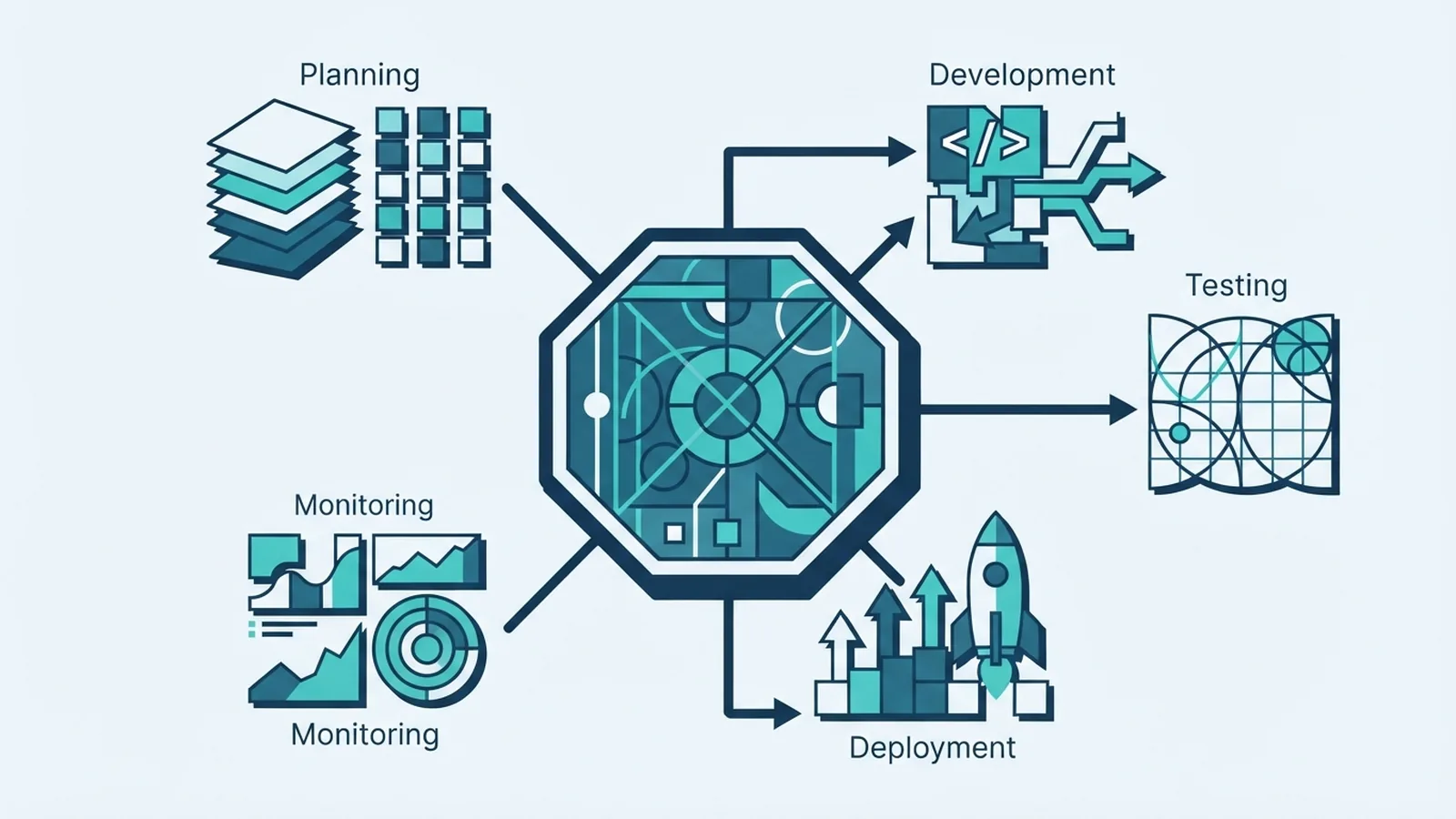
What the SDLC means for software teams
The Software Development Life Cycle (SDLC) is a structured way to plan, build, test, release, and support software. It gives a team clear steps from the first idea to ongoing updates. Each phase has a purpose and a set of outputs. This makes progress easier to track.
The SDLC is not one fixed recipe. Teams choose a model, such as Agile or Waterfall, to set the order and pace of work. A small web service may need a light process. A payment platform may need stronger checks, records, and risk controls.
Well-run SDLC life cycle steps help teams agree on what to build and how to prove it works. They also give developers, testers, product owners, and security staff a shared plan. The process can adapt as needs change. Structure should support good work, not slow it down.
- Plan the work and check its value.
- Agree on needs, design, and security rules.
- Build, test, release, and maintain the product.
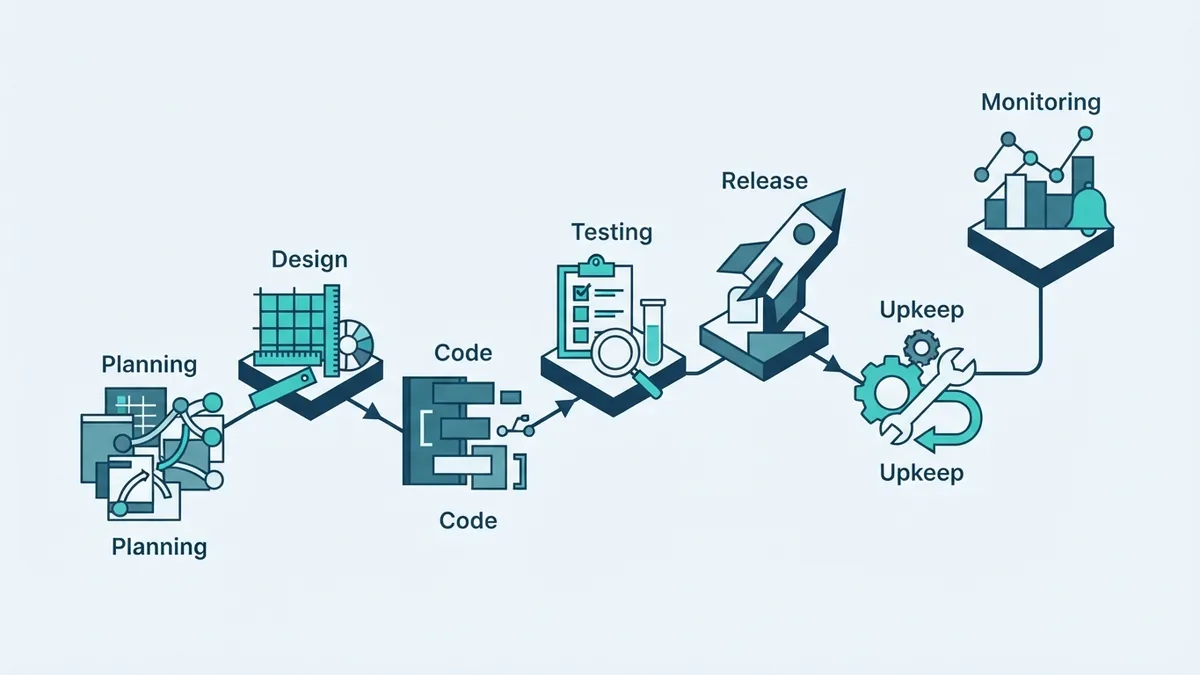
The seven phases, from idea to upkeep
1. Planning: Set the goal, scope, budget, timeline, and key risks. The team checks if the idea is feasible and names the people who will make key choices. For example, a gateway project might track uptime, payment speed, and supported methods as success measures. A clear plan helps prevent scope from drifting.
2. Requirements gathering: Find out what users and the business need. Record features, limits, and quality needs, such as response time or access control. Teams can use interviews, process maps, and written user stories. Review the results with stakeholders before design begins.
3. Design: Turn needs into a plan for the system. The design phase sets out parts, data flows, interfaces, and links to other services. It should also cover privacy, access, backup, and failure cases. Review key design choices before they become costly to change.
4. Development: Developers build the planned features and connect the parts. They use shared code rules, version control, and peer review to keep changes clear. Small, focused updates are easier to check than one large batch. Build security checks into the work, not just the final review.
5. Testing: The team checks that the software meets its needs and handles likely faults. Tests may cover single functions, links between services, full user flows, and security. Fixes should be retested so old faults do not return. Testing gives the team evidence for a release decision.
6. Deployment: The team makes the release available to users. A release plan may include a test environment, backups, staged rollout, and a way to undo a change. Monitor key service measures after launch. A careful rollout can limit the effect of a defect.
7. Maintenance: The team watches the live system, fixes faults, and ships updates. Maintenance also covers security patches, platform changes, and new user needs. Logs and support reports can point to weak spots. Feed those lessons into the next planning phase.
Five SDLC models and when to use them
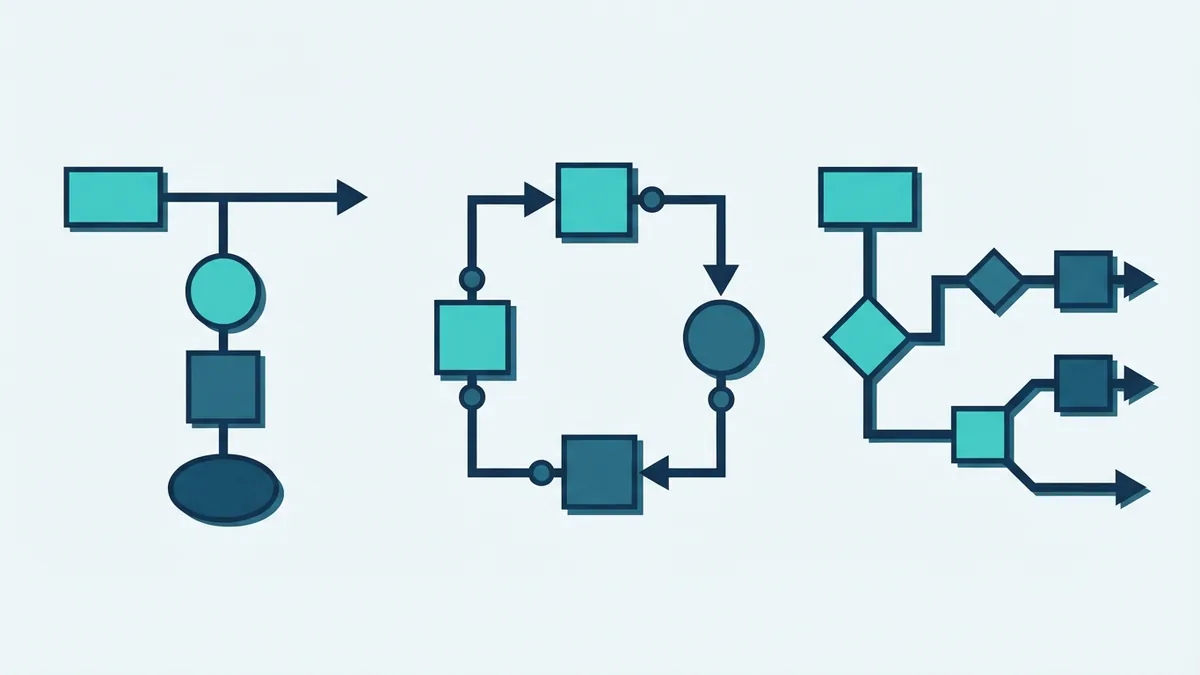
The models of SDLC life cycle work arrange phases in different ways. The best fit depends on how stable the needs are, how much risk the project carries, and how often users can give feedback. Teams can also blend methods. Pick a model that fits the work, rather than forcing every project into one pattern.
- Waterfall: Work moves through set phases in order. It suits projects with stable needs and formal sign-offs. Late changes can cost more because earlier work may need to be revisited.
- Agile: Teams build and review small slices of a product in short cycles. Frequent feedback helps refine the work as needs evolve. An agile SDLC life cycle can suit products that need regular updates and close user input.
- Spiral: Each loop sets goals, weighs risks, builds or tests a solution, and plans the next loop. It suits complex work with high uncertainty. Risk checks are central, though the method can take more time and skill to run.
- V-Model: Each build phase has a matching test phase. Teams plan tests alongside requirements and design. This can help where proof and traceability matter.
- RAD: Rapid Application Development uses quick prototypes and frequent user review. It can speed up work when the scope allows reuse and fast feedback. It is less suited to systems with strict limits or hard-to-change parts.
For example, a team building a new customer portal may use Agile to refine the user flow. A system with fixed rules and formal checks may suit Waterfall or the V-Model. A high-risk integration may use Spiral-style risk reviews. The choice should match the project's needs and team skills.
Why a structured SDLC improves delivery
A defined process makes project management more concrete. Teams can see what is done, what remains, and who owns each decision. That makes it easier to spot delays before they reach a release date. It also gives stakeholders clear points to review scope and progress.
Structure can improve teamwork, too. Designers, developers, testers, and operations staff can work from shared needs and agreed outputs. This cuts avoidable handoff gaps. A short design review, for instance, can catch a missing service link before development starts.
The SDLC also helps control risk. Early reviews can uncover unclear needs, weak designs, or risky links to other systems. Tests then show whether the finished work meets its goals. The team can rank issues by harm and fix the most urgent ones first.
Security belongs in every phase. During planning, name likely threats and set security goals. In design, limit access and protect data flows. During development, review code and check third-party parts. Before release, test key controls and write a plan for patching faults.
NIST's Secure Software Development Framework sets out secure build practices for the full life cycle. Teams can use its guidance to add security tasks to their own process. DevSecOps practices make this work part of daily build and release tasks. That helps teams find issues sooner.
Testing and maintenance keep software dependable
The SDLC life cycle in testing starts before code is complete. Testers can review needs and designs, then plan checks for each key feature. This gives them time to find gaps in expected behavior. It also helps teams agree on what counts as a pass.
Use more than one kind of test. A unit test checks a small piece of code, while an integration test checks how parts work together. A full system test follows real user tasks. Security and load tests check risks that basic feature tests may miss.
Maintenance closes the loop between releases. Teams should watch error rates, response times, and user reports after launch. Set clear owners for alerts and fixes. If one payment path fails, for example, logs can help show whether the cause sits in the app or an outside service.
Keep a record of test results, release choices, and known limits. These notes help new team members understand past decisions. They also make later fault checks faster. Each update should feed useful lessons back into planning.
Build an SDLC that fits your team
To explain the SDLC life cycle in simple terms, it is a repeatable path from need to working software and ongoing care. Its seven phases help teams plan, agree on needs, design, build, test, release, and maintain a product. The chosen model sets the pace and order. No single model fits every project.
Start with the risks and needs of the work. Choose a model that lets the right people review progress at the right time. Keep security, testing, and user feedback within the process from the start. Then review results after each release and improve the next cycle.
A good SDLC should make delivery clearer, safer, and easier to manage. If a step adds no value, change it. If a missed check causes repeat faults, add it where the team can act early. The aim is reliable software, built with shared understanding.