
Build Better Software with Agile Methods
What Agile Means in Software Development
Agile is an iterative way to plan, build, test, and improve software. Teams deliver small pieces of working software, then use feedback to guide the next steps. This lets them adapt when needs shift.
If you ask, “what is agile methodology in software development,” the short answer is a way to learn as you build. It is not one fixed process. Scrum, Kanban, and other methods can help teams put Agile values into daily work.
Consider a team building a payment gateway. It might first support one payment route, test it with users, and fix weak points. Then it can add other routes based on what customers need. Smaller releases can limit wasted effort.
- Break work into small, testable pieces
- Gather feedback during development
- Change plans when new facts emerge
Teams looking for agile methodology software often need tools to track work, share feedback, and manage releases. The tool matters less than the team’s habits. Clear goals and open discussion keep the work on track.
Agile Values and Principles
The Agile Manifesto favors people and teamwork over processes and tools. It also values working software over broad documents, customer input over contract talks, and response to change over rigid plans. These values do not reject tools, plans, or records. They put useful results first.
Agile teams aim to release useful work often. They welcome changing needs and keep in touch with customers. Regular reviews help teams spot problems and improve how they work. The Agile Manifesto principles set out these aims.
In agile methodology in software engineering, these values need sound craft to work well. Teams still need shared code rules, steady tests, and clear ownership. A small change should be safe to review and easy to undo. Flexibility needs discipline.
Frequent feedback also helps shape requirements. A team can turn a customer need into a user story, then check if its solution helps. If not, it can revise the next piece of work. This short feedback loop can reduce the cost of a wrong guess.
Agile and Waterfall Compared
Waterfall tends to move through set stages: gather needs, design, build, test, and release. Teams often agree on key details early. This can suit work with steady needs and formal sign-off points.
Agile handles the same work in short cycles. The team plans, builds, tests, and reviews a small part at a time. This can suit products with changing rules or user needs. It also gives customers more chances to shape the result.
There is no single best methodology for software development. The right choice depends on risk, scope, users, and the cost of change. Some teams use a staged plan for key approvals, then Agile cycles to build each feature.
| Area | Agile | Waterfall |
|---|---|---|
| Planning | Updated as the team learns | Set early, with formal changes |
| Delivery | Small releases through the work | Often one main release at the end |
| Customer input | Frequent review and feedback | Often focused on early and late stages |
| Change | Expected and ranked | May need rework and approval |
Waterfall methodology software development can be a sound fit when teams know the needed result and must follow fixed steps. Agile can be a better fit when early learning matters more. The choice should match the work, not a trend.
Scrum, Kanban, and Other Agile Methods
Scrum breaks work into set periods called sprints, often one to four weeks long. Before each sprint, the team picks a small set of high-value tasks. The team then reviews finished work and agrees on ways to improve.
Scrum roles make key duties clear. A product owner ranks work by value, while a Scrum Master helps the team improve its process. Developers build and test the product. These are duties, not always separate job titles.
Kanban uses a board to show work stages, such as ready, doing, and done. Teams limit active tasks so work does not pile up. Unlike Scrum, Kanban does not need fixed sprint dates. Teams can release work when it is ready.
There are different types of methodology in software development, and Agile is a broad family rather than one recipe. Scrum and Kanban are two common options. Some teams blend their practices, but they should agree on clear rules first.
- Choose Scrum when a regular planning and review rhythm helps
- Choose Kanban when work arrives on a steady flow
- Track results, not just the number of tasks closed
Benefits of Agile for Software Teams
Agile can shorten the time from an idea to a usable release. Customers can try a small feature before the full product is done. Their input can help teams focus effort on the parts that matter.
Short cycles can also make risks easier to spot. A team can test a payment route or data link before building more on top of it. Small tests may reveal faults while they are still cheap to fix. That can help raise software quality.
Frequent review supports steady improvement. Teams can look at delays, bugs, and user feedback, then adjust their next cycle. Better team habits can also help people raise issues sooner. The goal is useful progress, not meetings for their own sake.
In software testing, Agile brings checks into each cycle instead of leaving them until the end. Teams can test features as they build them and fix faults before the next release. If you ask, “what is agile methodology in software testing,” it means testing often, sharing results, and using them to guide further work.
The Agile Software Development Life Cycle
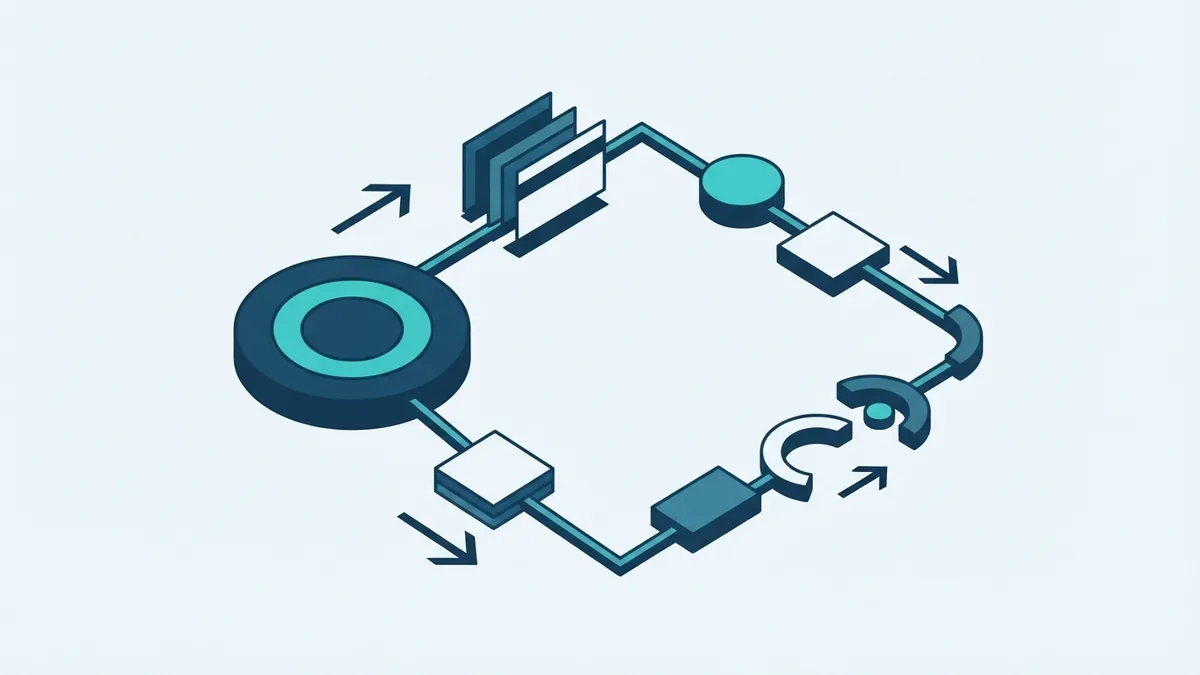
The agile methodology in software development life cycle follows a repeatable loop. Teams gather needs, rank work, plan a small change, build it, test it, and review the result. They then use what they learned to plan the next cycle.
A sprint is one common way to set the cycle’s length. At the start, the team agrees on a goal and picks work it can finish. During the sprint, team members share progress and raise blockers. At the end, they show working software and discuss what to change.
Agile does not mean skipping design or planning. Teams still need to think about safety, data, and system links. They make plans in enough detail for the next step, then revisit them as the product grows. This helps them adapt without losing sight of the main goal.
For payment systems, a team might first build one gateway link, test payment success and failure paths, and review the results. It can then add more payment routes or improve the customer flow. Small steps make it easier to catch gaps before they affect more users.
Challenges and Adoption Tips
Agile can struggle when no one can make timely choices. It can also fail when teams start too many tasks or change goals every few days. A steady product goal helps teams respond to new facts without losing focus.
Some work also needs clear records and formal checks. Teams can keep those controls while still using short cycles. Set review points for key risks, and keep notes on decisions that affect later work. Good records help new team members understand why a choice was made.
Start with one team or product area. Set a clear goal, agree on how to rank work, and choose a review rhythm. After a few cycles, check delivery time, faults, and customer feedback. Keep the parts that help, and change the parts that slow the team down.
Agile works best when teams can talk openly and share responsibility. It is not a promise of instant delivery or fewer hard choices. It is a way to make progress in small steps, learn from the result, and adjust with care.