
Agile Methodology — How Teams Adapt and Deliver
What Agile methodology means
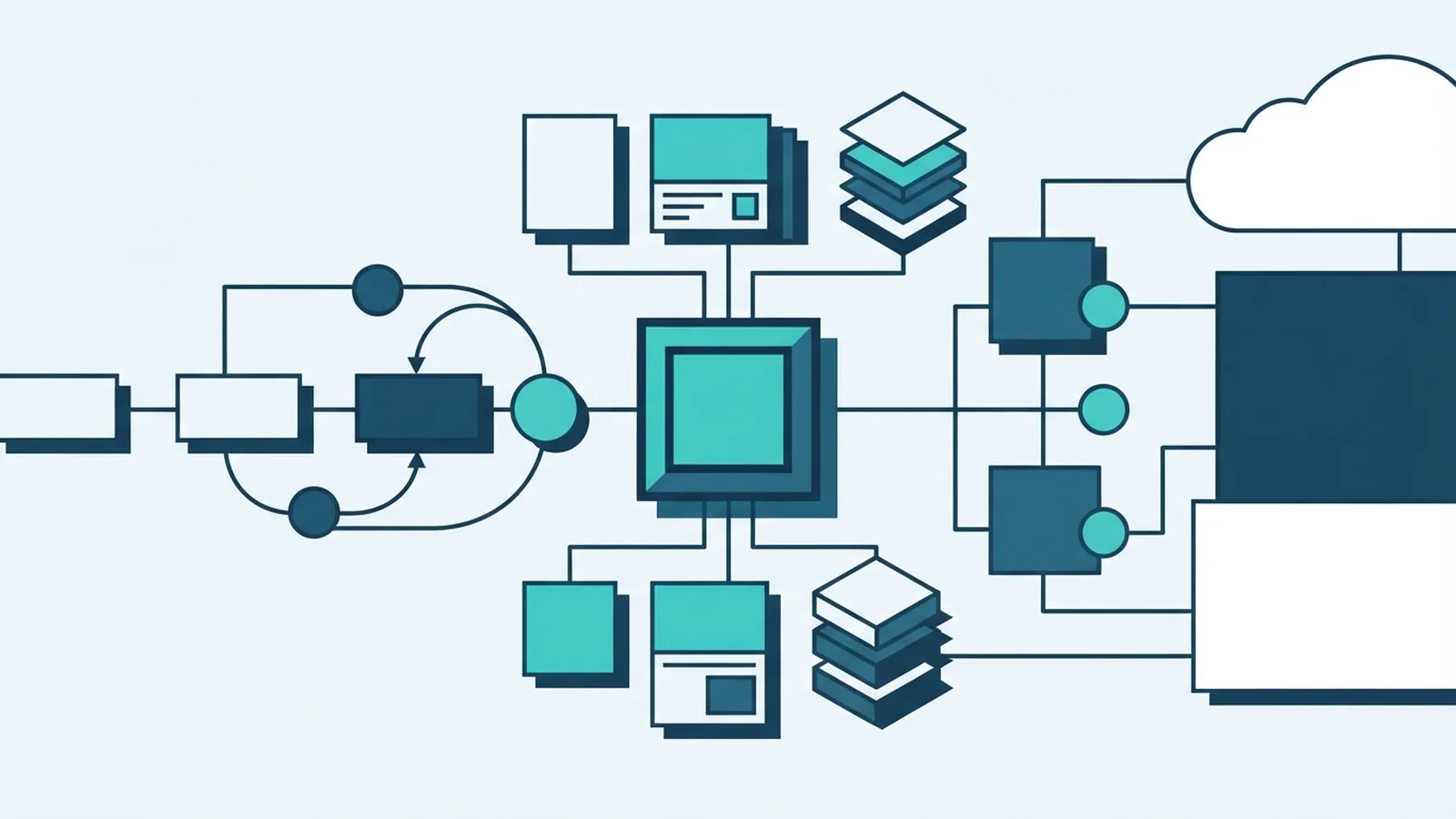
Agile methodology is an iterative way to plan and deliver work. Teams build in small steps, seek feedback, and adjust as needs change. This approach suits projects where the best answer is not clear at the start.
The Agile Manifesto began in 2001, when software developers set out shared values for their work. It is a short statement of guiding ideas, not one fixed process. Teams use those ideas through methods such as Scrum or Kanban. The Agile Manifesto states the values and principles behind the approach.
In simple terms, the agile methodology definition is a way to deliver useful work in short cycles. A team can release a small feature, learn from its use, then choose what to build next. The plan can change when new facts, risks, or customer needs arise. This does not mean working without a plan.
Agile in the software development life cycle (SDLC) changes how teams move from idea to release. Rather than completing every stage once, they repeat planning, building, testing, and review. The exact cycle depends on the team and its chosen method.
The four values that guide Agile
The Agile Manifesto sets out four value pairs. The first side matters, while the second still has value. Agile asks teams to favor human judgment and useful outcomes over rigid process.
- Individuals and interactions over processes and tools
- Working software over comprehensive documentation
- Customer collaboration over contract negotiation
- Responding to change over following a plan
These values do not ask teams to ignore tools, plans, contracts, or records. They help teams decide what deserves more attention when trade-offs arise. For example, clear notes can support a good handover, but they should not replace a working feature.
A product team might test a basic checkout flow with a small group before building every option. Feedback can reveal a confusing step or a missing payment choice. The team can then revise the next work cycle. That is customer collaboration in action.
Popular Agile methods and frameworks
Agile is a set of values, while its methods offer ways to organize work. Scrum, Kanban, Lean, Extreme Programming, Crystal, and Feature-Driven Development all use different tools. They are not interchangeable labels for the same process.
- Scrum groups work into short, set-length sprints. The team reviews progress and plans the next sprint.
- Kanban tracks work as it moves through stages. Limits on active tasks can help prevent overload.
- Lean Software Development aims to cut wasted effort and deliver value sooner.
- Extreme Programming (XP) stresses sound coding habits, frequent tests, and close teamwork.
- Crystal adapts its practices to the team’s size and the work’s risk.
- Feature-Driven Development (FDD) plans and builds around small, useful product features.
Scrum teams often keep a product backlog, a ranked list of work to consider. A sprint is a fixed period for completing selected tasks. Kanban teams tend to focus on steady flow rather than set sprint dates. The right choice depends on the work, team, and need for control.
Some large firms use the Scaled Agile Framework (SAFe) to align work across many teams. It adds shared planning and coordination practices. More structure can help with dependencies, but it can also add overhead. A team should start with the smallest set of practices that solves its real problem.
Agile methodology vs Waterfall
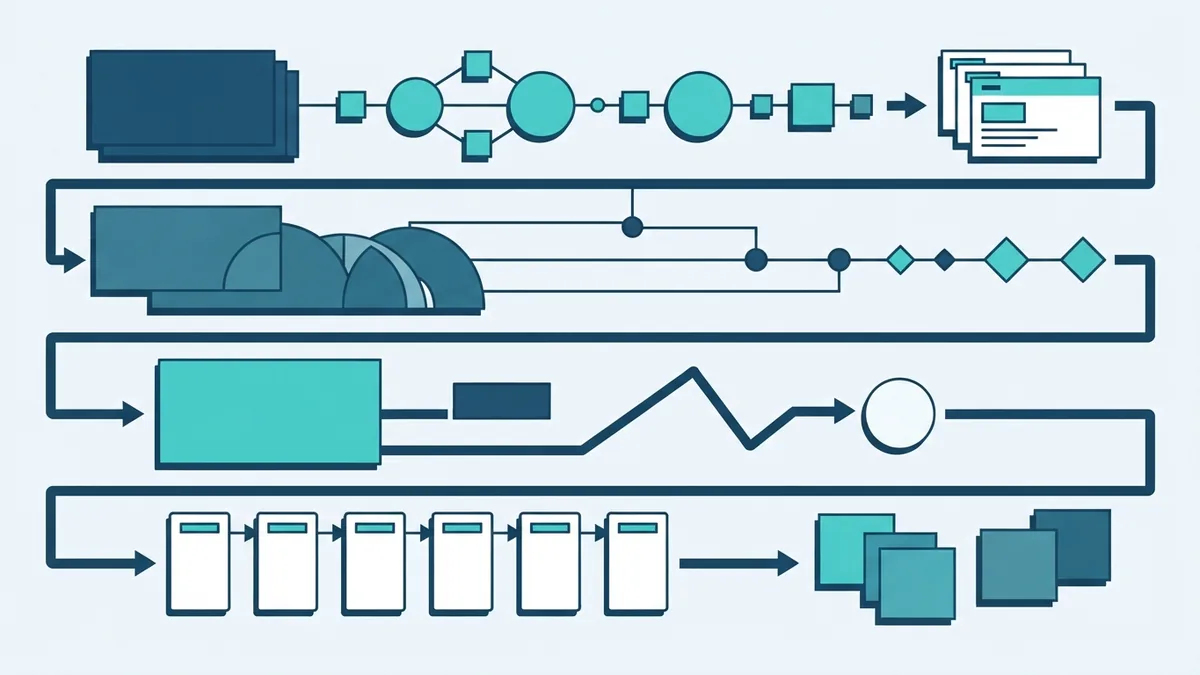
Waterfall follows a more linear path. Teams usually define needs, design a solution, build it, test it, and release it in sequence. A later change can affect earlier work and may need formal approval.
Agile breaks work into repeated cycles. Teams can show a working part early, collect feedback, and refine the next part. This makes change easier to handle, though it still takes planning and clear choices. Agile is often a better fit when needs may shift during the work.
| Area | Agile | Waterfall |
|---|---|---|
| Work pattern | Short cycles with repeated review | Planned stages in sequence |
| Feedback | Gathered throughout the work | Often gathered at key stage gates |
| Change | Can shape later cycles | May need rework and approval |
| Delivery | Useful parts can ship in steps | Often ships after the full build |
Neither method wins in every case. A team building a new customer portal may learn much from early trials, so Agile can reduce the risk of building the wrong features. A project with fixed needs and strict handoff points may suit Waterfall better. Teams can also blend methods where rules or contracts require set approval steps.
Benefits teams can gain from Agile
Small releases can put useful features in customers’ hands sooner. Teams do not need to wait for every planned feature before learning from real use. This can help a business spot weak ideas early and shift effort to better ones.
Regular feedback can raise customer satisfaction because users can shape the work as it grows. Short reviews also give team members a shared view of progress and blockers. Cross-functional teams, with the skills needed to deliver work, can reduce handoffs between separate groups.
Agile can also make risk easier to see. A team that tests a payment flow in small steps may find a fault before it affects the full release. Frequent checks support continuous improvement. They do not remove the need for sound testing, security, or release controls.
These gains depend on the team’s habits and the project’s needs. A sprint does not make work faster by itself. Teams need clear goals, a sensible workload, and quick access to people who can answer key questions. Without those, the cycle can become a set of meetings with little progress.
Where Agile works beyond software
Software development remains the best-known use of Agile. Product teams use it to shape features, test ideas, and rank work by value. In Agile testing, testers check work throughout each cycle rather than waiting for a final test phase.
For example, a team adding a new payment option can test the key path early. It can check whether a user can choose the option, complete the payment, and see a clear result. The team can fix faults before adding less vital features. Early testing supports steady quality, but it does not replace checks before release.
Marketing teams may use short campaigns, test messages, and review results before planning the next cycle. Operations teams can use visual work boards to spot delays and limit tasks in progress. In product management, teams can rank customer needs and use small releases to test their choices.
The same idea does not suit every kind of work. A team with strict safety rules may need set review gates and detailed records. Agile practices can still help within those limits, but the team must keep required checks. The goal is useful learning, not change for its own sake.
Challenges and choices before adopting Agile
Agile can feel uncertain when leaders expect a fixed scope, date, and cost from day one. Short cycles help teams learn, but the final feature set may change. Agree on clear goals and review progress often, so sponsors can make sound trade-offs.
Teams also need time from customers or other key partners. Without that input, they may build based on guesses. A product owner or team lead can rank requests and explain why some work comes first. This keeps the backlog useful instead of turning it into an unfiltered wish list.
Frequent releases can strain teams that lack strong test tools or a safe release path. Start with a small project, make work visible, and fix the main bottleneck first. Review each cycle for delays, defects, and unused effort. Then change one practice at a time.
Agile works best as a way to learn and deliver, not as a label for a meeting schedule. Choose a method that fits the team’s work. Keep the values in view, and adapt the process when evidence calls for it.