
Waterfall Development — How Its Phases Work
What Is the Waterfall Development Model?
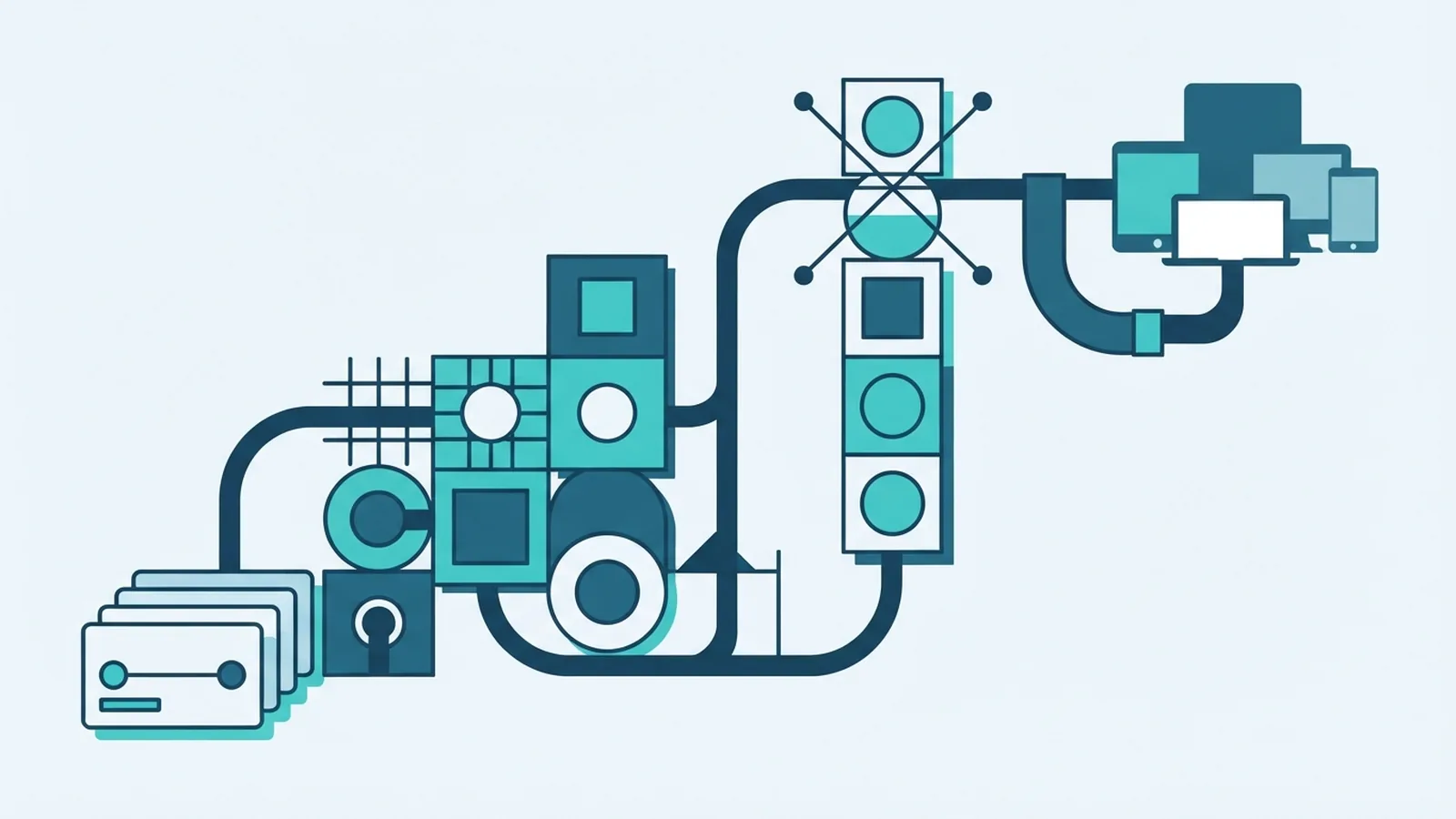
The waterfall development model is a linear way to build software. Teams complete defined stages in order, from early planning through release and upkeep. Each stage has set outputs, such as approved requirements or tested software. The next stage begins only when the current one is finished.
This approach is also called the linear-sequential life cycle model. Its name reflects the one-way flow between stages. Teams aim to avoid backtracking once work moves ahead. That can make progress easy to track, but it also makes late changes harder and costlier.
Waterfall suits work where the goal is clear and stable. For example, a team building a payment gateway for a fixed set of rules may agree on its key needs early. A new customer portal, with changing user needs, may need a more flexible plan.
Waterfall is not simply a ban on change. A team can revisit earlier work, but doing so may require new approvals, more time, and extra cost. Strong early planning helps reduce that risk.
Phases in the Waterfall Development Life Cycle
Waterfall plans work as a sequence of stages. The exact names vary between teams, and some combine steps. Many descriptions refer to six core phases, while treating feasibility as an upfront check and maintenance as ongoing work. The full path below covers both.
- Feasibility study: Check whether the project can be built within its budget, time, and technical limits. Set out the likely value and main risks.
- Requirement analysis: Gather and record what users and the business need. Include scope, rules, performance needs, and clear ways to test each requirement.
- System design: Turn those needs into a plan for the software. Define its parts, data, links to other systems, and security approach.
- Implementation: Build the software to match the approved design. Developers can work on separate parts, then join them for review.
- Testing: Check that the software works as planned. Test each part and the full system, then fix faults before release.
- Deployment: Put the approved system into use. This may include moving data, setting up the live service, and preparing users.
- Maintenance: Fix faults and keep the released system working. Updates may also be needed as tools, rules, or user needs change.
Each stage should have a clear handoff. For example, the design team needs approved requirements before it can set the system plan. A test team needs agreed checks before it can judge whether the build is ready.
That structure depends on records. Teams often use a scope document, design notes, test plans, and sign-off records. These help staff trace a choice back to a need, even months after launch.
Benefits of the Waterfall Model
Waterfall gives a project a visible structure. Teams can map work to stages, set review points, and show what must be done before release. This helps managers spot delays and explain progress to stakeholders.
A fixed scope can also make time and cost forecasts easier. Once the team agrees on the work, it can plan staffing and key dates around known tasks. These estimates are still estimates, not guarantees. Unknown risks or missed needs can change them.
Clear stage gates support control. A team can ask for approval before it spends time on the next major step. This is useful when the work needs formal review, careful records, or a firm audit trail.
- Clear ownership: Teams know which work belongs to each stage.
- Useful records: Written plans help explain choices and support later upkeep.
- Simple progress checks: Managers can compare finished work with planned stage outputs.
- Early cost planning: A stable scope can support a more settled budget and schedule.
These strengths matter most when the project goal is well known. A system built to meet a fixed rule set may benefit more than a product still seeking user feedback.
Drawbacks and Risks to Plan For
The main weakness is its response to change. A new need found during testing may affect the design, build, schedule, and cost. The team must judge whether to reopen earlier work or defer the change.
Waterfall also places great weight on early requirements. If users or stakeholders miss a key need, the team may not find out until a later stage. Fixing the gap then can mean redesigning parts that seemed complete.
Users may wait a long time to see working software. They might review plans and design first, but they cannot give feedback on the finished system until late in the process. That can lead to a product that meets the written brief but misses real work needs.
Strict stages can hide risk rather than remove it. A team may report that each stage is complete while an untested assumption remains. To reduce this danger, review the highest-risk needs early, and ask users to check key choices before sign-off.
Maintenance can also be harder if the design records are thin or out of date. Keep notes close to the actual system, and record changes as the team makes them. Good records support the next team that must fix or extend the software.
When to Use the Waterfall Method
Choose waterfall when the project has a clear goal, steady requirements, and few expected changes. It can work well for defined upgrades, systems with fixed interfaces, or work that needs formal approval at each stage.
It may also fit when teams need a clear delivery plan before work starts. For instance, an organization might replace a known system with a new one that must support the same agreed tasks. A careful plan can set the migration steps and test checks in advance.
Before choosing, test whether the project meets these conditions:
- The main users and their needs are known.
- Rules, scope, and links to other systems are unlikely to shift.
- The team can write useful tests before it builds the software.
- Stakeholders can review and approve work at each handoff.
- The cost of late change is understood and accepted.
If several needs remain unclear, do a small discovery or test build first. This can reveal technical limits and user concerns before the team locks down its full plan. It is often safer than treating early guesses as settled facts.
Risk management still matters in a waterfall project. List key risks at the start, name an owner for each, and set a point to review it. Pay close attention to outside links, data moves, and needs that depend on new tools.
Waterfall Compared With Other Methods
Agile methods break work into short cycles. Teams build a small part, review it, and use feedback to shape the next part. That can help when users may change their minds or when the best answer is not clear at the start.
Waterfall sets more of the scope and plan upfront. Agile leaves more room to change the order and details as the work unfolds. Neither method removes the need for good planning, testing, or clear ownership.
| Project need | Waterfall may fit when | Agile may fit when |
|---|---|---|
| Requirements | They are known and stable | They are likely to change |
| Feedback | Formal reviews at set stages work | Frequent user input is needed |
| Delivery | A planned full release suits the work | Small releases can add value early |
| Risk | Needs can be checked before build | Testing ideas early will cut risk |
Some teams use a mixed approach. They set firm rules for security or external links, then deliver less certain features in short cycles. The key is to choose a method that matches the work, rather than follow a label by habit.
In short, waterfall offers order and clear checkpoints. It works best when teams can define the system before they build it. When needs are likely to shift, a method with faster feedback may lower the cost of change.