
What Does API Stand For? Meaning and Uses
Understanding What API Means
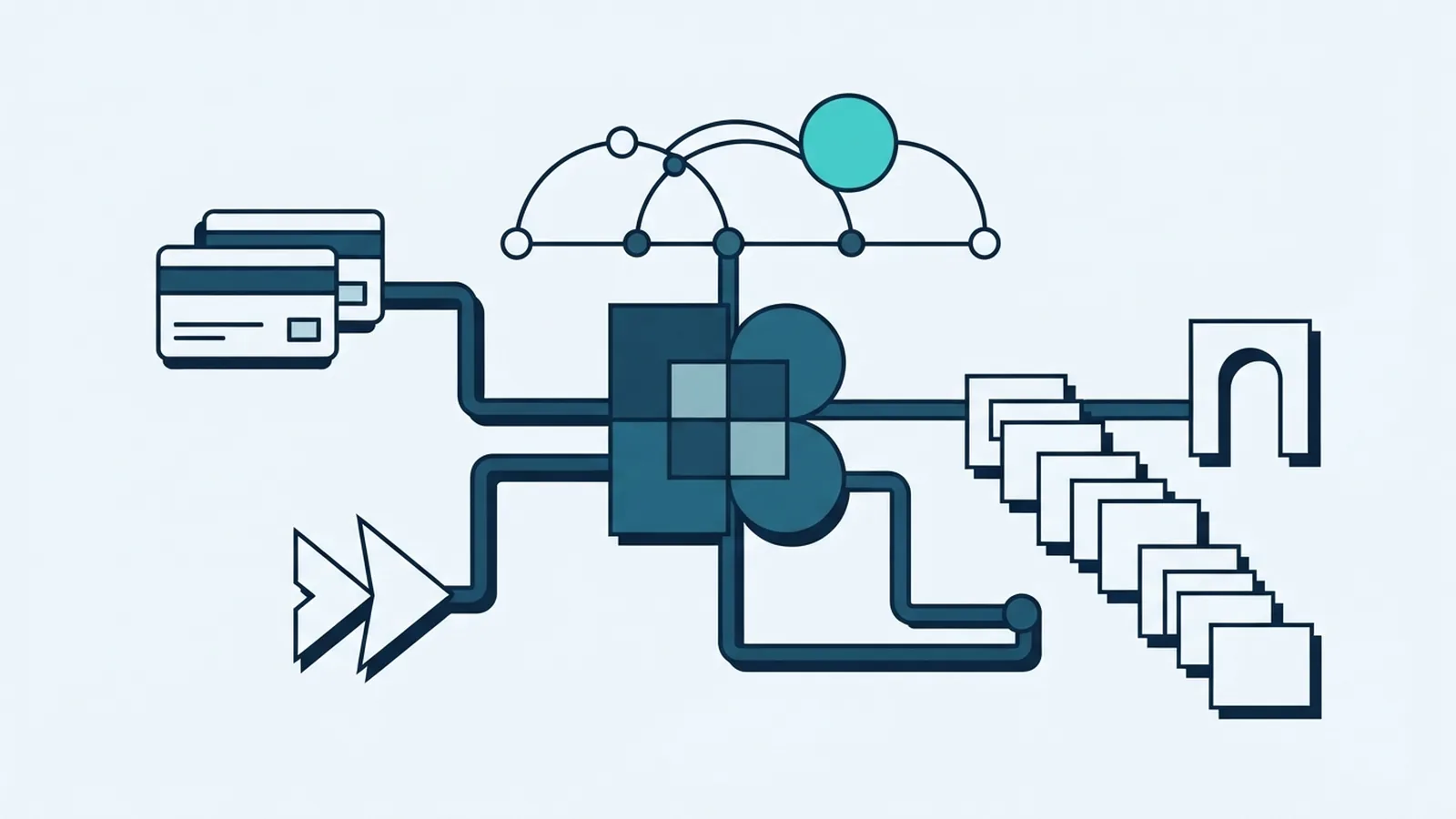
API stands for Application Programming Interface. It is a set of rules for software communication.
In plain terms, an API lets one program ask another program for data or an action. The first program sends a request. The second program sends a response.
This answers the question, “what does an API stand for?” It also explains what the acronym API means in daily software work.
When people ask what does an API stand for in tech, they usually mean this same core idea. The term applies to websites, apps, payment tools, cloud services, and business systems.
What does an API stand for in software?
In software, an API sets out how one program can use another program. It hides complex code behind a clear set of rules.
For example, an online shop may request a payment link through an API. The payment service handles the secure payment flow. The shop then receives the result.
That is why APIs matter in programming. Developers can add useful features without building every system from the ground up.
How APIs Fit Into Technology
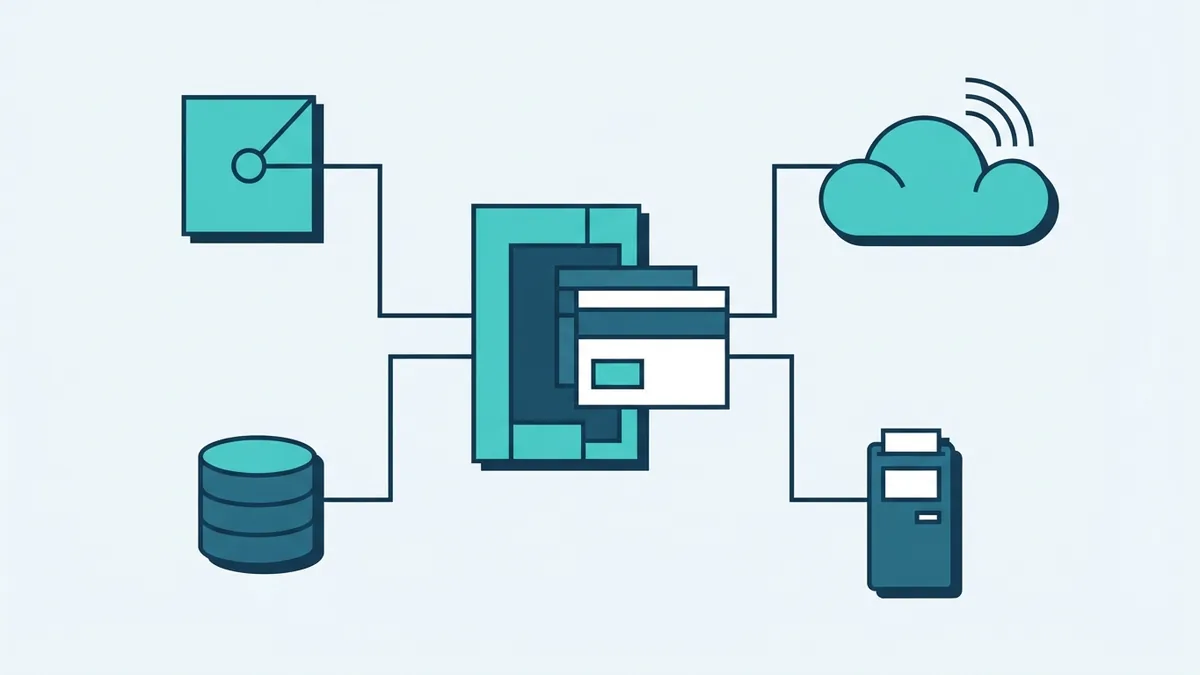
APIs connect websites, mobile apps, databases, payment tools, and cloud services. They help separate systems work as one larger service.
Most web APIs use a client-server model. The client starts the exchange. The server checks the request and sends back data or an error.
Web APIs often send data in JSON. JSON means JavaScript Object Notation. It stores data in simple name and value pairs.
These shared rules make data integration easier. A travel app can request flight data. A shop can request stock levels. A payment page can send a payment result back to the shop.
- Websites can load stock, map, or travel data
- Mobile apps can support sign-in through a trusted service
- Payment systems can return payment results to online shops
- Business tools can share customer and order data
- Cloud services can run tasks for other applications
APIs also support automation. A new order can trigger stock checks, payment updates, and delivery tasks.
The API does not replace the system behind it. It offers a safe and planned way to use that system.
Common Types of APIs
API types describe who can use an API and how widely it is shared. Four common groups are Open, Partner, Internal, and Composite APIs.
Each group serves a different need. A public API may support outside developers. An internal API may serve only one company.
| API type | Who uses it | Common purpose |
|---|---|---|
| Open API | Public developers | Offer access to a service or data |
| Partner API | Approved business partners | Support trusted business links |
| Internal API | Teams inside one company | Connect private systems |
| Composite API | One client using many services | Combine several calls in one request |
Open, partner, and internal APIs
Open APIs are also called public APIs. They may need a key, account, or usage limit.
The owner usually sets rules for safe use. These rules may cover access, rate limits, data use, and support.
Partner APIs serve selected firms. They often support payments, shipping, identity checks, or order updates.
Internal APIs connect private tools. They can link customer records with stock, billing, and report systems.
Composite APIs
A composite API joins several actions into one call. This can reduce the number of network requests.
For example, one call may fetch a customer profile, open orders, and delivery status. The server gathers the results and sends one response.
This design can simplify a client app. It can also make faults harder to trace, so clear logs matter.
How an API Call Works
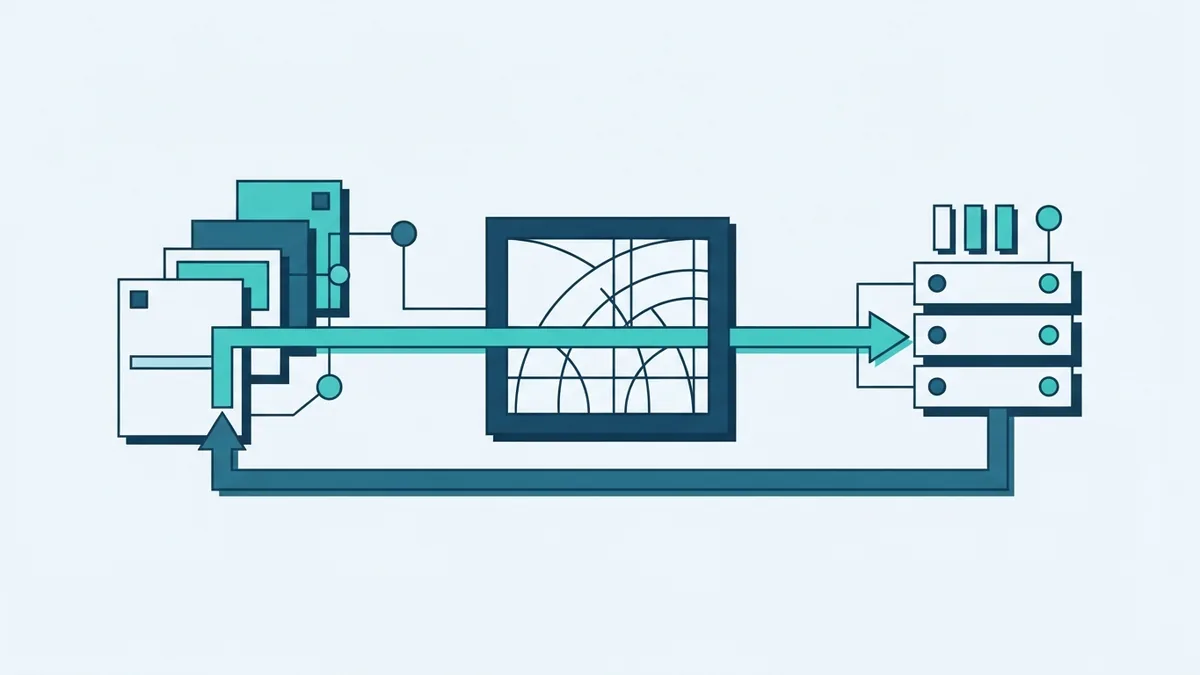
An API call starts when a client sends a request to a server. The request names the target, action, and needed data.
The server checks the request. It may check an API key, user rights, and data format.
It then runs the requested action. The server returns a response with data, a result, or an error.
- The client builds a request
- The request travels to the API server
- The server checks access and input
- The server runs the requested action
- The server returns data or an error
- The client shows or stores the result
A request may read, add, change, or remove data. Web APIs often use HTTP methods for these actions.
| HTTP method | Common use |
|---|---|
| GET | Read data |
| POST | Create data or start an action |
| PUT or PATCH | Change existing data |
| DELETE | Remove data |
The response also includes a status code. A code such as 200 means success. A code such as 404 means the server could not find the target.
Developers should handle both success and failure. A strong client shows a useful message when the service is down.
REST and SOAP APIs Explained
REST stands for Representational State Transfer. It is a design style for networked systems.
So, what does REST stand for in API discussions? It names the design rules behind a RESTful API.
REST APIs often use HTTP methods and clear resource paths. They treat things such as orders or users as resources.
REST is not a strict software package. It is a set of design ideas for building network services.
SOAP stands for Simple Object Access Protocol. It uses a strict message format based on XML.
SOAP can suit systems that need firm rules and built-in message features. Some banking and business systems still use it.
REST often feels lighter for web apps. SOAP can offer a more formal contract between systems.
For a useful overview of web APIs, see MDN's API glossary. It defines the term and its role in software.
Examples of Common APIs
Payment APIs let a shop create payment requests and receive status updates. They can also support refunds, billing, and customer records.
Map APIs can return routes, places, or travel times. Weather APIs can supply forecasts to a website or mobile app.
Sign-in APIs let people use an existing account with another service. Email APIs can send receipts, alerts, and account messages.
- A shop asks a payment API to create a checkout session
- A delivery system sends tracking updates to a customer portal
- A mobile app requests account data after sign-in
- A reporting tool gathers sales data from several systems
Each example follows the same basic pattern. One system sends a request. Another system checks it and returns a response.
The data may move in either direction. A client can read data, send new data, or ask the server to perform a task.
Why API Documentation Matters
API documentation tells developers how to use an API. Good docs explain available paths, request fields, response data, and errors.
They should also show working examples. A small request and response can save hours of guesswork.
Security rules must be clear too. The docs should explain sign-in, access keys, limits, and safe handling of private data.
- List each available API path
- Show required and optional fields
- Explain response formats and status codes
- Give sample requests and responses
- Describe access rules and usage limits
- Record changes between API versions
Clear documentation lowers build time and support work. It also helps teams test integrations before release.
The OpenAPI Specification gives teams a shared way to describe HTTP APIs. It can support testing, code tools, and clearer handover.
Why APIs Matter to Modern Software
APIs help companies link tools without replacing every system. They support faster builds and better use of existing services.
They also create clear boundaries between parts of an application. Teams can update one service while other parts keep running.
Good API design still needs care. Weak access rules can expose data. Poor error handling can break user journeys.
Teams should test limits, failures, speed, and access rights. They should also track changes before releasing a new version.
Conclusion: What Does API Stand For?
API stands for Application Programming Interface. It defines how software systems request data or actions from each other.
That meaning stays the same in tech, software, computer science, programming, and web development. REST and SOAP describe two common ways to build or use APIs.
Once you understand requests, responses, API types, and documentation, the subject becomes much clearer. APIs are the link between many tools that power digital services.