
Build an MVP — Test Your Product Idea Early
What a minimum viable product means
A minimum viable product, or MVP, is a basic version of a product with enough core features to serve early users. It lets a team test an idea with real people before building the full product. If you are asking, “What is an MVP minimum viable product?” think of it as a small, usable test of a business idea.
An MVP is more than a mock-up or a list of planned features. Users must be able to try the main offer, even if the service behind it relies on manual work. The goal is to learn whether a real need exists and whether people will use or pay for a solution.
For software teams, minimum viable product software development means building only what is needed to test the riskiest assumptions. The first release should solve one clear problem for one defined group. It does not need every feature on the roadmap.
- Minimum: Include the fewest features needed to deliver the main benefit.
- Viable: Make the offer useful enough for people to try.
- Product: Give users a real way to experience the solution.
Why teams use an MVP
An MVP helps a team test business claims against actual market behaviour. People may say they like an idea, but use, repeat visits, and payment offer stronger signs of demand. The team can set a clear question, such as whether local shops will book a delivery through a simple online form.
Testing early can limit wasted work. A small build costs less to change than a large product with many linked features. If users do not want the offer, the team can adjust the idea before it spends more time and money.
There is a trade-off. A weak first version can put users off, while too much polish can delay learning. Set a quality bar for safety, reliability, and the core task. Keep the rest lean.
That balance makes an MVP useful for market validation. It is not proof that a business will succeed. It is a way to gather evidence and choose the next step with less guesswork.
How to plan and build an MVP
Start with the people who have the problem, not with a feature list. Speak with likely users, watch how they handle the task today, and note delays, costs, and workarounds. Ask about recent actions rather than asking whether they like your idea.
Turn what you learn into a narrow problem statement. For example: “Freelancers need a faster way to send payment reminders.” Then write down the key assumptions behind your idea, including who needs it, what they will do, and why they might pay.
- Choose a user group. Define who has the problem and when it occurs.
- Set a test question. Pick the riskiest assumption you need to check.
- Map the core task. Keep only the steps users need to reach the main benefit.
- Pick a test format. Use a prototype or a working product, based on what you need to learn.
- Set measures. Track actions tied to the question, such as completed bookings or repeat use.
- Release to a small group. Watch real use, ask for feedback, and fix serious issues.
- Review and decide. Improve the offer, change direction, or stop based on the results.
A prototype can test a flow or concept without a full software build. A live-code MVP lets users try working features and reveals issues that a prototype may miss. Choose the lightest method that can answer the test question.
Record a baseline before launch. For instance, count how many invited users start the core task and how many finish it. Set a review date in advance. This keeps the team from treating a few positive comments as proof of demand.
What well-known MVP stories can teach
Amazon began as an online bookstore rather than a broad online shop. That narrow starting point let the company focus on one type of product and learn about online buying. Its later growth should not be mistaken for a promise that every small launch will lead to the same result.
Uber first tested a limited car service in San Francisco. The early offer focused on booking a ride through a phone, rather than building every transport feature at once. That small scope helped test whether users would book and pay for a ride this way.
Spotify first focused on streaming music in a limited market. Its early product tested whether people wanted quick access to music online. The example shows why a focused offer can reveal user habits before a company expands its reach.
These stories are useful for their starting choices, not as templates to copy. Each company had its own market, timing, and resources. Find the smallest test that fits your users and your business risk.
Test the MVP and use feedback well
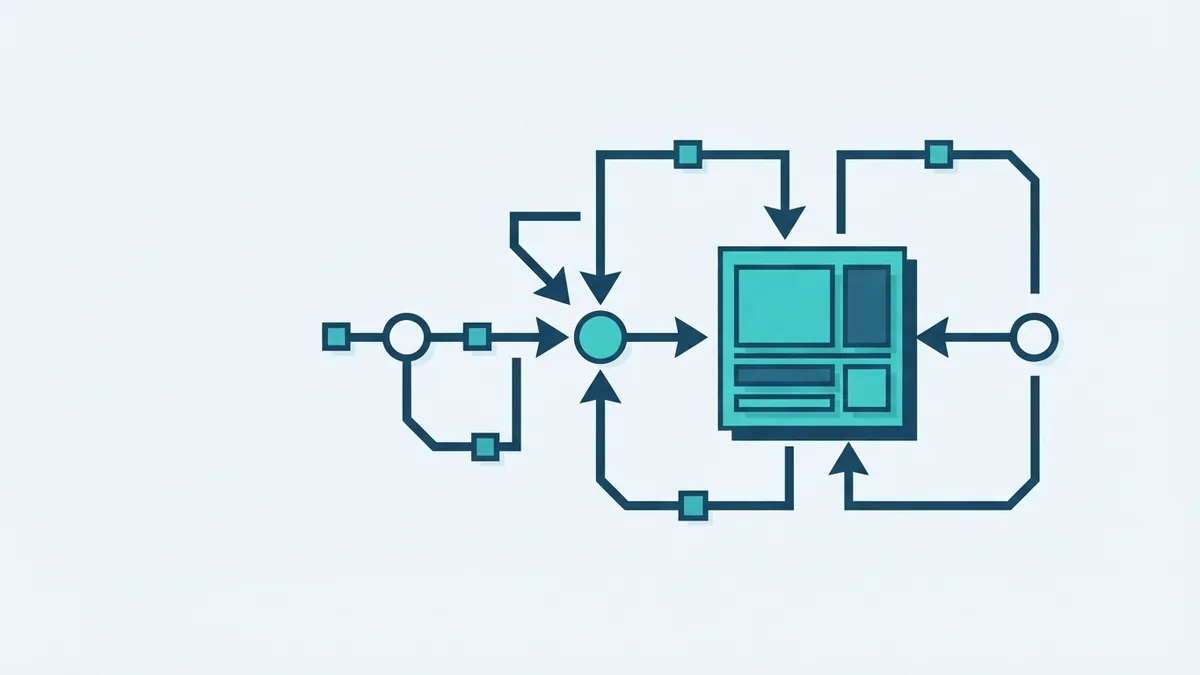
Recruit people who match the group you want to serve. Give them a real task and let them try the product without step-by-step help. Note where they pause, quit, or ask for help. Those moments often expose a bigger problem than broad survey answers do.
Combine what users say with what they do. A short interview can explain why someone left a task unfinished. Product data can show how often that step causes trouble. Keep the number of measures small, so the team can act on the findings.
Sort feedback by impact and frequency. Fix a broken core task before adding a feature requested by one person. Tell users what changed when their input shaped an update. Trust grows when feedback leads to visible action.
Run another test after each meaningful change. Compare results against the same question and measures where possible. If the core task works but few people return, revisit the value of the offer. If users cannot finish, improve the flow before adding more scope.
Common MVP pitfalls and limits
“Minimum” does not mean careless or broken. Users still need a clear offer, safe handling of their data, and a product that works for its main task. Poor quality can make a useful idea look unwanted.
Another risk is building for the team’s assumptions instead of users’ needs. A long feature list can hide the real question. Keep a written record of what each feature is meant to test, and remove work that does not support the test.
MVP results can also mislead. A small or biased test group may not reflect the wider market. A seasonal need or a launch discount can affect behaviour. Treat early findings as evidence with limits, not as a final verdict.
Some products need more than a small release before they can be tested safely. This can apply to tools that handle sensitive data or support key business tasks. In those cases, narrow the test group and scope, but keep the core safeguards in place.
Turn early learning into a next step
An MVP is a focused way to learn before committing to a full product. It pairs a real user problem with a small solution and a clear test. The strongest result may be a feature change, a new target group, or a decision not to proceed.
Write down the problem, key assumption, test group, and success measure before work starts. Share those choices with design, engineering, and business teams. Then build only what the test needs, watch how people use it, and review the evidence together.
Keep the cycle short enough to learn, but long enough to see real use. Good MVP work turns uncertainty into a next action. Build less at first, learn from users, and grow the product where the evidence points.