
Understand Web Development — From Code to Careers
Introduction to web development
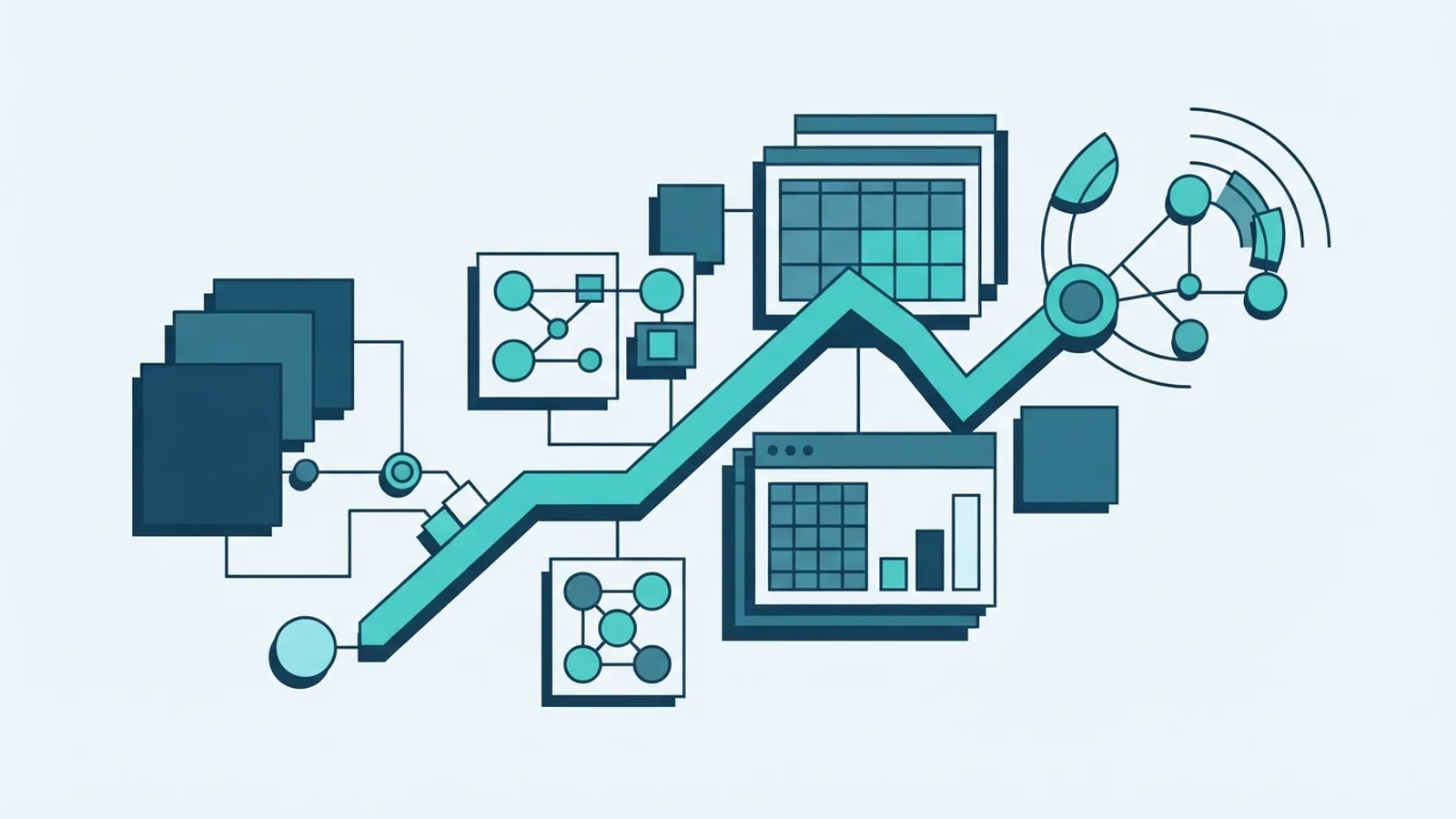
What's web development? It is the work of creating websites and web applications. The work spans page design, code, data, testing, and upkeep. A website might share business details. A web app might manage bookings, payments, or customer records.
People often ask, “Is web development software development?” Yes. It is one part of the wider field of software development. That wider field also includes phone apps, desktop tools, and software built into devices. Web development focuses on products that run in browsers or use web services.
Some projects need one developer. Others need a team with distinct skills. The scope depends on the product, its users, and the risks it must manage. A payment platform, for example, needs careful data handling and strong access rules.
- Website: Pages that share information or support a business.
- Web application: An online tool that lets users complete tasks.
- Web developer: A person who builds, tests, or maintains part of a web product.
Web work is not just writing code. Developers turn user needs into features, then check that those features work well. They also fix faults and keep the product safe as it grows.
Components of a web project
Most web projects bring together a user-facing layer, server-side work, and data storage. Each part sends or receives information. In an online shop, pages show goods, server code checks stock, and a data store keeps order records.
HTML sets the structure of a page. CSS shapes its layout and look. JavaScript adds actions, such as opening a menu or checking a form. These core tools work together across many web projects.
Teams also need hosting, testing, and ongoing care. Hosting makes a site available online. Tests help catch faults before users find them. Updates can fix security gaps and keep features working.
- HTML: Gives page content structure and meaning.
- CSS: Sets layout, spacing, and screen-size changes.
- JavaScript: Adds actions and updates to pages.
- Server code: Runs rules and handles requests behind the scenes.
- Data storage: Keeps records the app needs later.
Learning how these parts connect matters more than memorizing commands. A clear goal helps developers choose what to learn next. Start with a small page, then add one useful feature at a time.
Front-end, back-end, and full-stack work
Front-end development builds the parts people see and use. It turns designs into buttons, forms, and page content. Good front-end work also makes sites usable on phones and with keyboards.
Back-end development handles work on the server. It can check access, apply business rules, save records, or connect to another service. An API is a set of rules that lets software systems share data.
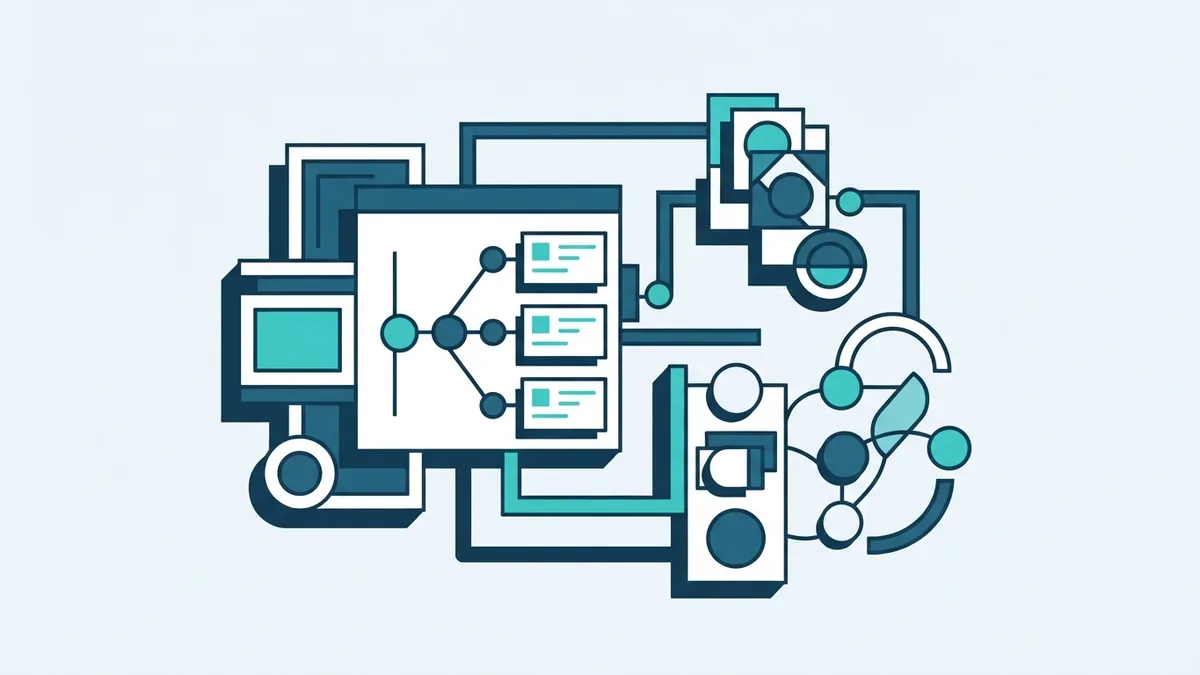
Fullstack web development covers both front-end and back-end tasks. A full-stack developer might build a form, send its data to a server, and save the result. The role does not mean one person must do every job on every project.
Think of a booking form. The front end shows the fields and checks for missing details. The back end checks open dates and stores the booking. A small team may share both tasks, while a larger team may split them.
People also ask, “Is web development hard?” The answer depends on the task and the learner. Basic pages can be a good first project. Secure systems with many users take more skill and care.
Is web development easier than software development? Neither label makes a task easy by itself. Web projects can be simple or complex, just like other software work. The best comparison is between the tasks, not the job titles.
What frameworks do and how to choose one
What is a framework in web development? It is a set of tools and rules that gives developers a base for common tasks. A framework may help with page updates, routing, or server work. Teams can then spend more time on features that suit their users.
React is a library for building user interfaces. Many teams pair it with other tools. Angular offers a wider set of built-in features for web apps. Laravel is a PHP framework for server-side apps and services.
There is no single best framework for web development. The right fit depends on the project, team skills, and long-term support needs. A small site may not need a framework at all.
- Does the tool fit the languages your team knows?
- Can it meet the project needs without extra layers?
- Are its guides and updates strong enough for ongoing work?
- Can new team members learn it without a long delay?
Frameworks do not replace core skills. Developers still need to understand pages, data, and how browsers work. Pick a tool because it solves a real problem, not because it is popular.
When someone asks, “What is the best web development software?” they may mean an editor, a framework, or a full tool set. There is no single answer for every team. Choose tools that support the work, fit your skill level, and remain easy to maintain.
Current trends in web development
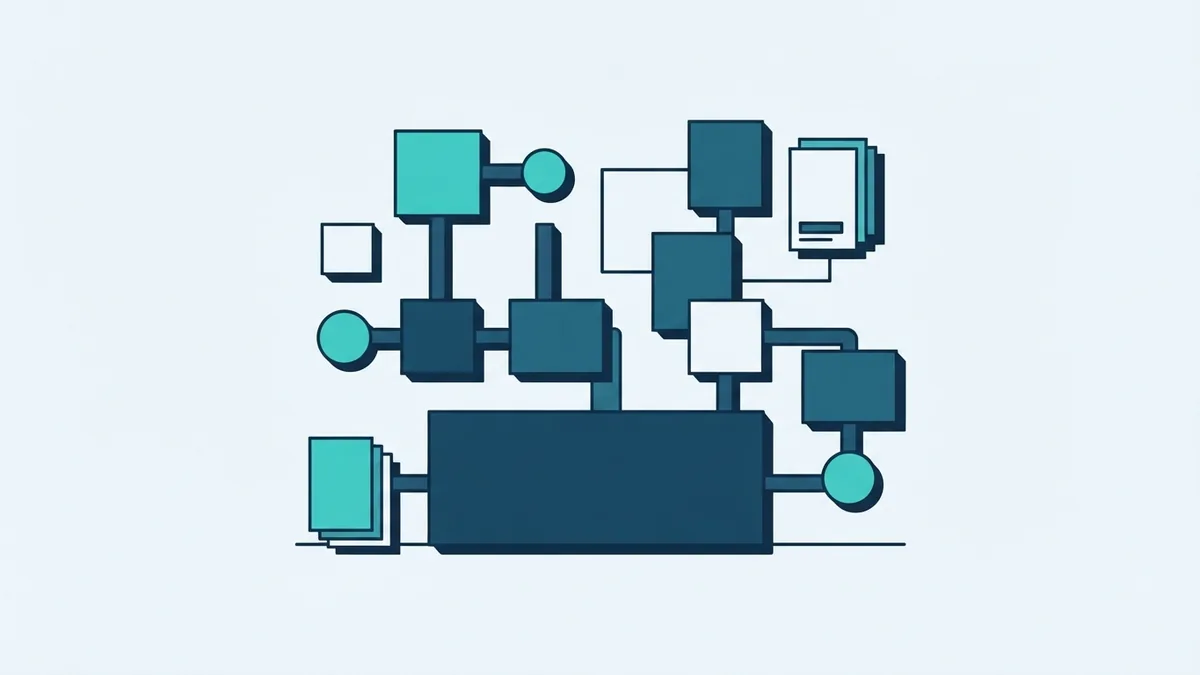
Web products now connect to more services than many simple sites once did. A booking app may link to a payment gateway, email system, and stock tool. Those links make clear data flow and good error handling important.
Cloud web development lets teams run apps on hosted systems instead of managing every server themselves. It can help teams scale, but it does not remove the need for sound design. Teams still need to plan for access, backups, speed, and cost.
AI tools can help draft code, explain errors, or suggest tests. They can save time on routine work. They can also make mistakes, so developers must review code and check how it behaves.
Will AI take over web development? It is more likely to change parts of the work than remove the need for skilled developers. People still need to set goals, check risks, connect systems, and make sound choices. AI can help with tasks, but teams remain accountable for the result.
Good developers learn to use new tools with care. They check suggested code, test edge cases, and protect user data. Clear thinking still counts.
Job demand and the future of web development
Is web development still in demand? Demand varies by place, skill, and type of work. Businesses need sites and apps that support sales, service, and day-to-day tasks. They also need people to update older systems and link them to new tools.
Web skills can lead to jobs in front-end work, back-end work, testing, or platform support. Some roles focus on payment links and data flow. Others focus on page speed, access, or user needs. A mix of coding skill and clear problem-solving can help teams ship sound products.
U.S. job data offers one useful, though local, view of demand. The U.S. Bureau of Labor Statistics outlook for web developers tracks pay, tasks, and expected job growth. Check local job posts too, since needs can differ by region and industry.
Is web development dead? No. Sites and web apps remain a key way for people to use services. The work changes as tools and user needs shift, but teams still need people who can build, test, and maintain web products.
Is web development part of software engineering? Yes, though the terms cover different scopes. Web development is focused on web products. Software engineering also covers the methods teams use to plan, build, test, and maintain many kinds of software.
Keep learning the basics, then build projects that solve real needs. Learn how pages, server code, and data fit together. Add a framework or cloud tool when a project calls for it. That approach prepares you for change without chasing every new trend.