
Web Development — How Sites and Apps Take Shape
What web development means
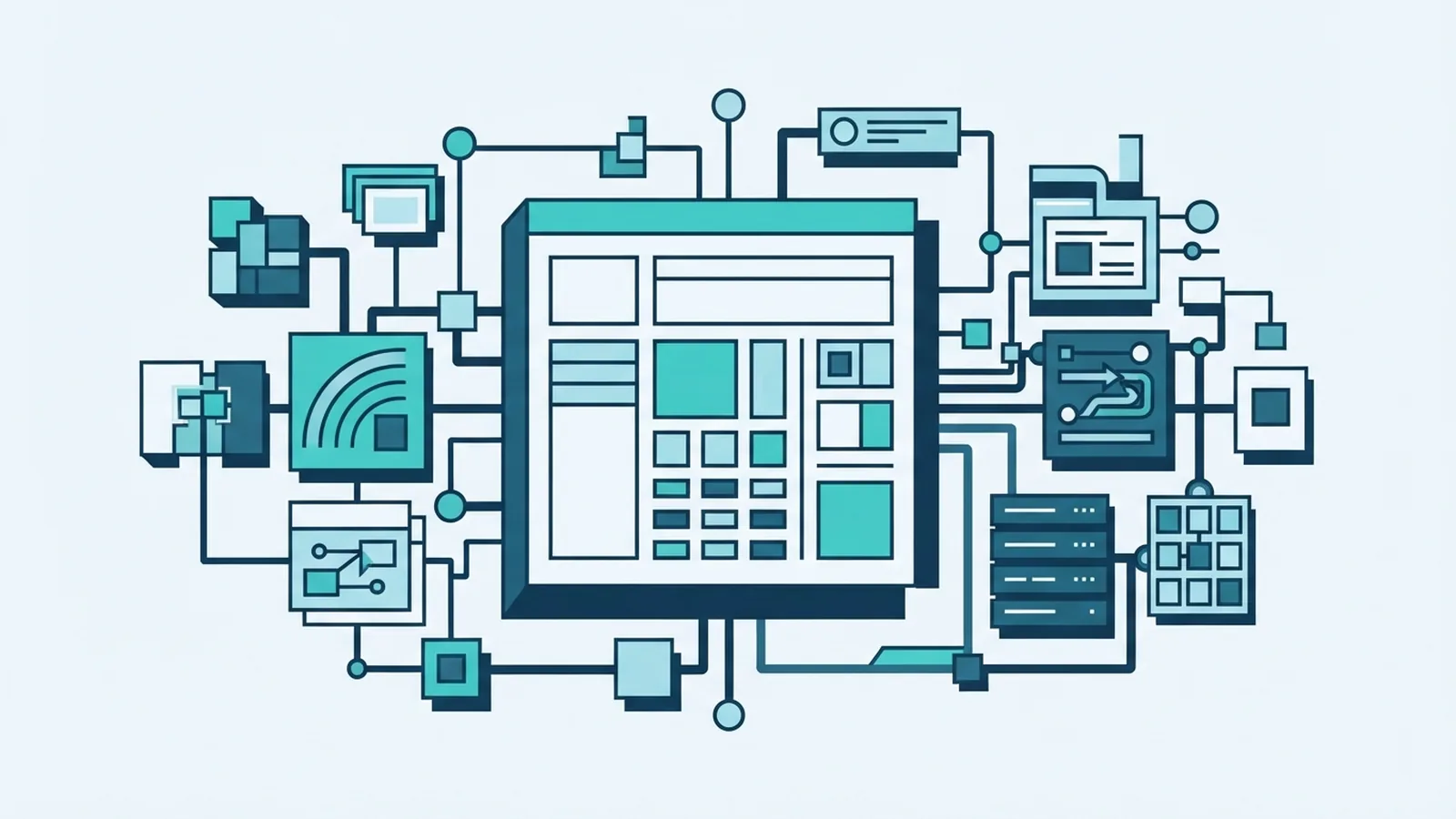
What is web development? It is the work of creating, building, and maintaining websites and web applications. It covers the code and systems that make a site load, respond, store data, and serve people. A small business site and a large online store both need this work.
What is web page development? It is the work of building one page or a set of related pages. Web development can cover a whole site or app, including its data and server tools. The scope depends on what people need to do.
Developers start by learning about users and their tasks. They turn those needs into features, such as a booking form, product search, or payment flow. The work carries on after launch with fixes, updates, and speed checks. A site needs care after its first release.
Web developers also plan for phones, screen readers, search engines, and slow connections. These needs shape the code and page structure. Good choices help people finish tasks with less effort.
Types of web development
What is front end web development? It is the part of a site that people see and use. It covers menus, forms, page layouts, and the way these parts respond. Front-end developers use HTML, CSS, and JavaScript.
HTML gives a page its structure. CSS sets its look, spacing, and layout. What is the purpose of CSS in web development? CSS helps pages stay clear and easy to use across screen sizes. JavaScript adds actions, such as opening a menu or checking a form.
What is the DOM in web development? The DOM, or Document Object Model, is the browser's tree-like view of page content. JavaScript can change this page structure as a person uses the site. The MDN guide to the DOM explains how browsers map page content into objects and nodes.
Back-end development handles tasks that happen behind the page. It may check a sign-in, save an order, or fetch details from a database. Developers often use Python, PHP, or Ruby for this work. APIs let a site share data with payment or shipping tools.
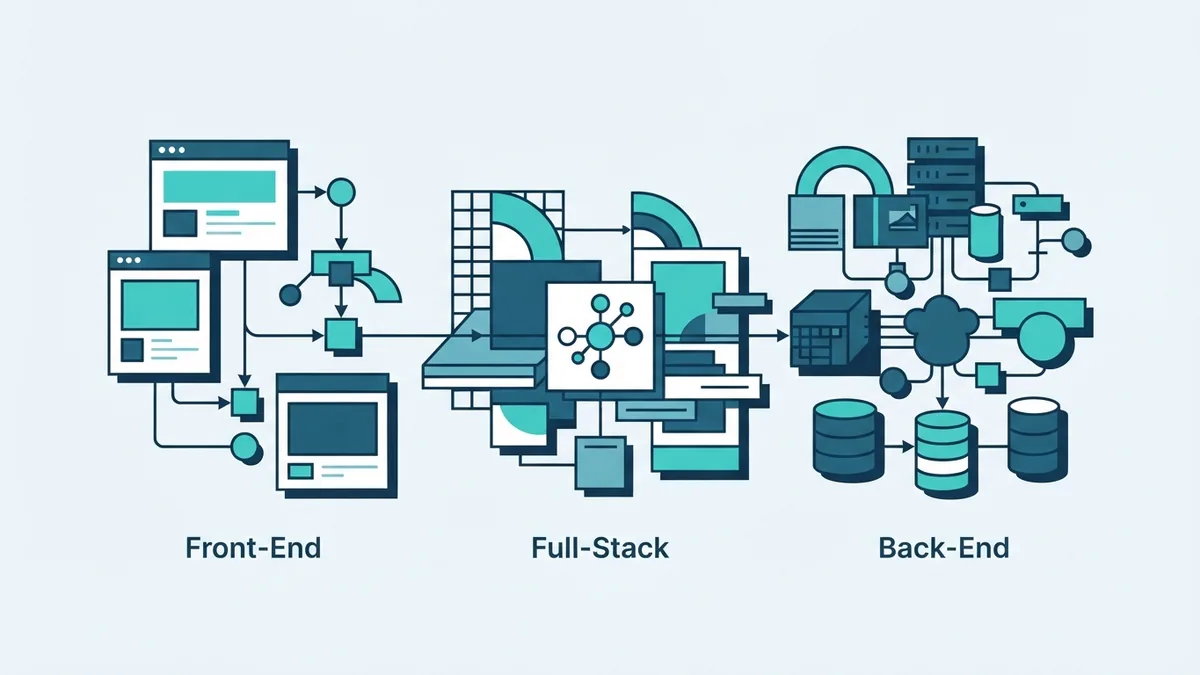
What is full stack web development? It means working across both front end and back end. A full-stack developer might build a page, link it to a database, and test the full user flow. This does not mean one person must do every task.
- Front end: the page and controls people use.
- Back end: the server, data, and rules that support the site.
- Full stack: work across both sides of a web app.
Tools used to build websites
Tools used in web development vary by project. A code editor helps a developer write and review files. A browser lets the team test pages on different screen sizes. Version control tracks code changes and lets teams review past work.
Frameworks offer ready-made parts for common tasks. They can help teams build features in a consistent way. Test tools check that pages work as planned. Hosting tools make a site available online. The best fit depends on team skills, site needs, and upkeep costs.
What is web development software? The term can mean code editors, test tools, frameworks, or content systems. These tools do not replace planning or testing. A team still needs to check that each feature works for its users.
What is CMS in web development? A content management system lets people add or change site content through an admin tool. WordPress is a well-known example. A CMS can suit a news site or a small business page, where staff need to make edits often. A custom build may suit work with unusual features or strict data needs.
A content delivery network, or CDN, keeps copies of files on servers in different places. A nearby server can send images or other files faster. A CDN can help sites serve people across a wide area. The team should still test speed and cost.
Key languages and common web terms
HTML, CSS, and JavaScript form the basic front-end toolkit. Developers may pair them with a framework for sites with many pages or interactive parts. On the server, Python, PHP, or Ruby can handle data and business rules. A team's skills and the app's needs guide the choice.
What is SPA in web development? A single-page application updates parts of one page as people move through an app. This can make some tasks feel quick, but it may add build and test work. Teams should choose this approach when its benefits fit the product.
What is hydration in web development? Hydration links a server-built page to browser actions, so buttons and forms can respond. It can help a page show content early. The team must still check that the page works well on real devices.
What is pagination in web development? Pagination splits a long list of results across several pages. It can help people browse large product or article lists. Clear links and page labels help users know where they are.
What is a slug in web development? A slug is the readable part of a page address after the domain. A page about shipping might use “/shipping” as its slug. Short, clear slugs help people see where a link leads.
What is SEO in web development? It is the work of making a site easier for search engines to find, read, and understand. Clear page structure, fast loading, and useful content all help. Developers can also make sure crawlers can reach key pages.
Web design and development: the difference
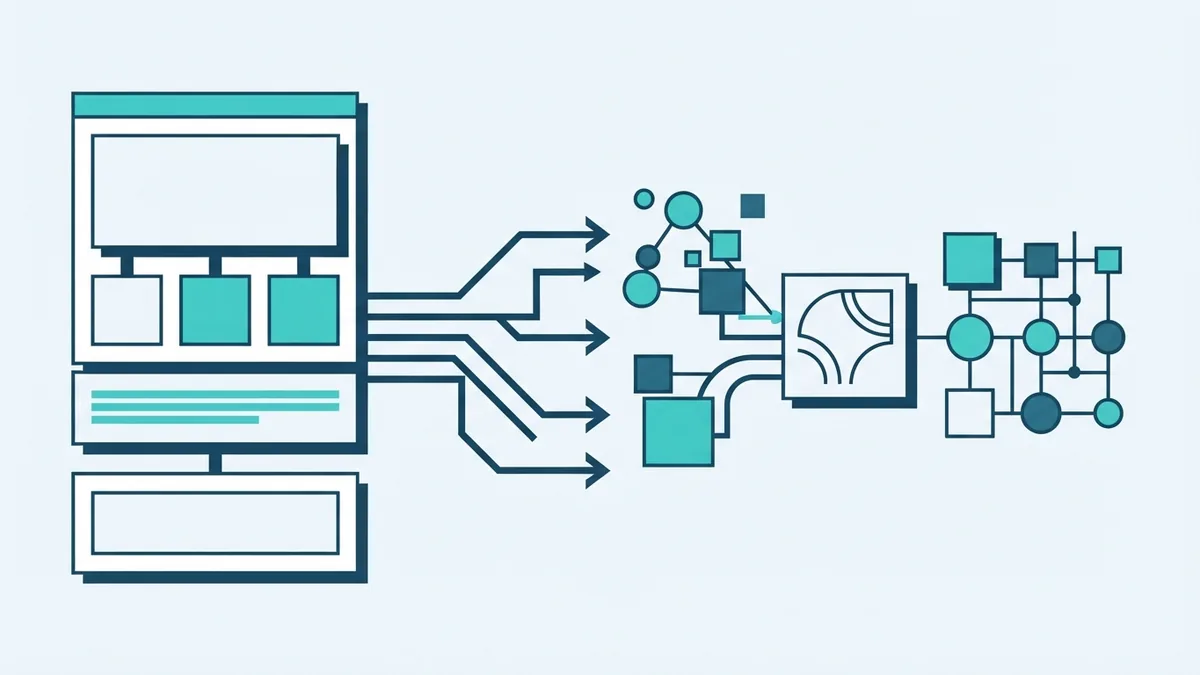
What is the difference between web design and web development? Web design shapes how a site looks and feels. Web development builds the code and systems that make that design work. The two fields overlap, but they solve different parts of the same problem.
Designers plan page layout, colors, type, and how people move through a site. Developers turn those plans into working pages and features. They may also flag design choices that hurt speed, access, or ease of use. The strongest results come from close teamwork.
What is web designing and development? It is the combined work of shaping a site and building its features. On a small project, one person may do both. Larger teams often split these roles so each area gets focused care.
A good design cannot fix broken forms or slow pages. Code alone cannot make a confusing site easy to use. Both sides need to serve the same user goals.
Why web development matters
Web development gives businesses a way to serve people online. A working site can explain a service, take a booking, sell a product, or answer common questions. For payment and service firms, a clear digital path can reduce friction and support trust.
Performance matters because slow pages can make people leave. Developers can reduce large files, limit extra code, and test common devices. They should also check keyboard use, form errors, and page access. Small fixes can make a large difference.
Web development is an ongoing process, not a one-time build. Teams should review feedback, check errors, and update software. A site that reflects user needs can grow with the business. Clear goals make those changes easier to plan.
A web development course can help learners build core skills in HTML, CSS, JavaScript, and back-end work. A good course should include hands-on projects, not just lessons. Practice with real tasks helps learners see how each part fits together.