
Understand Agile and Scrum — Then Put Them to Work
Introduction to Agile
What is Agile and Scrum? Agile is a way to manage work when needs may change. Scrum is a framework teams can use to plan and deliver that work. Agile sets broad values. Scrum turns some of those values into team roles, events, and short work cycles.
An Agile scrum method breaks a large goal into smaller pieces. Teams build a piece, check it, and use what they learn to plan the next one. This can help a product team respond to user needs sooner than a team that waits for one large release.
Agile does not mean working without a plan. Teams still set goals, track risks, and agree on what matters most. They revisit plans as new facts emerge. The aim is steady progress, not change for its own sake.
- Plan in small chunks.
- Deliver work that users can try.
- Use feedback to guide the next choice.
For a gateway project, a team might first ship one payment route. It can then test the flow and learn where users or partner systems face trouble. That feedback helps shape the next release.
Core principles behind Agile
The Agile Manifesto, written in 2001, sets out four values for software work. It favors people and teamwork over processes and tools. It also values working software over broad records, customer collaboration over contract talks, and responding to change over following a fixed plan.
These values do not make plans or records useless. They help teams choose what matters when trade-offs arise. A clear plan can guide work, while a working result shows whether the plan meets a real need.
Agile also relies on iterative development. The team makes a small part, reviews it, and improves the next part. This cycle helps uncover unclear needs and technical risks before they grow costly.
Continuous improvement is part of the work, too. Teams can discuss what slowed them down, then test one change in the next cycle. Small changes are easier to judge than a long list of new rules.
The Agile Manifesto and its stated values are the original source for these principles. They give teams a shared starting point, not a fixed process to copy.
What is Scrum?
Scrum is an Agile framework for complex work. It organizes effort into fixed periods called sprints. A sprint often lasts one to four weeks, and the team aims to make a useful, usable result before it ends.
What is Agile in Scrum? Agile is the set of values that informs the work. Scrum is one way to put those values into practice. The terms are linked, but they do not mean the same thing.
What is an Agile Scrum framework in daily work? It is a way to set a short goal, choose work, check progress, and review the result. For example, a team may focus one sprint on adding a payment option. The team can test the change, show it to users, and use their feedback.
An Agile Scrum environment works best when people can share problems early and make decisions together. It needs clear goals and access to feedback. It does not require a certain office, tool, or team size.
The Scrum Guide describes Scrum as a framework with defined roles, events, and work items. See the official Scrum Guide for its core rules and terms.
Key parts of the Scrum cycle
The Product Backlog is a ranked list of work that could improve a product. It may hold features, fixes, research, and technical tasks. The Product Owner helps keep the list clear and orders items by value, risk, and need.
In sprint planning, the team agrees on a sprint goal and picks work it can take on. Those chosen items form the Sprint Backlog. A user story can describe a need from the user's view, such as, “As a buyer, I want to save a card for faster checkout.”
During the sprint, the team meets each day for a short check-in. They discuss progress toward the goal and plan the next day of work. At the sprint review, they show the result and hear feedback. At the retrospective, they discuss how to improve their way of working.
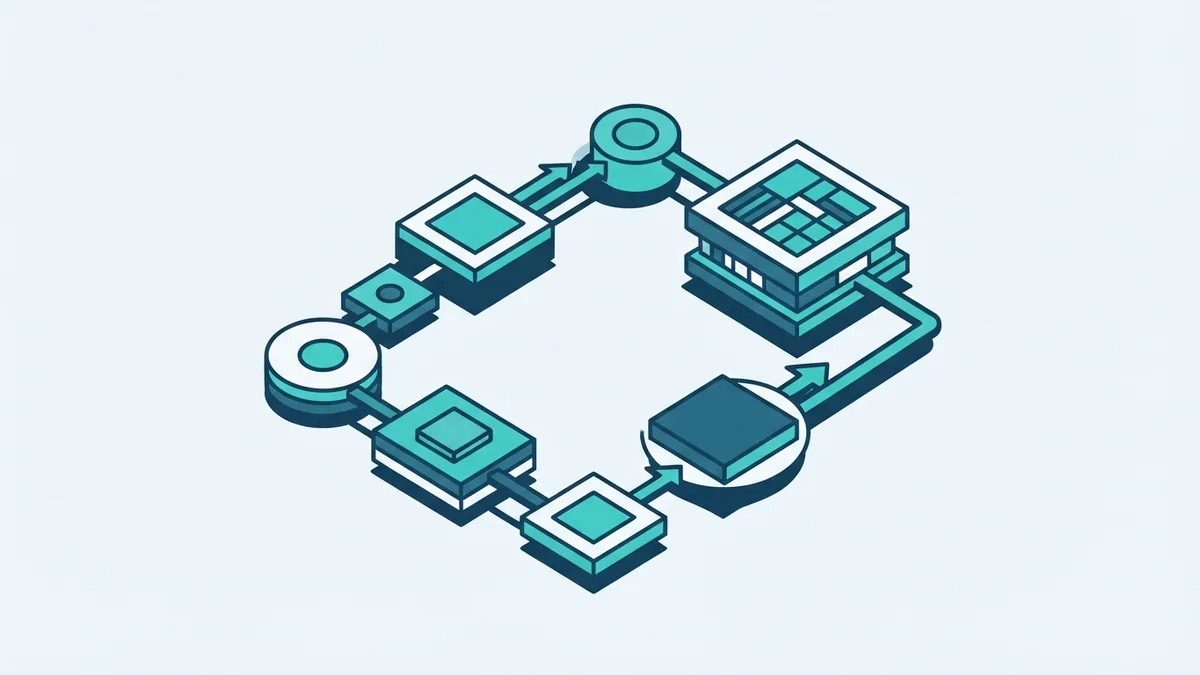
These events form an Agile Scrum cycle: plan, build, review, and learn. The cycle repeats, but the work should not be a rush to finish tasks. The sprint goal keeps the team focused on a useful outcome.
- Order and refine the Product Backlog.
- Set a sprint goal and choose work.
- Build and check the result during the sprint.
- Review the result and improve team habits.
These Agile Scrum steps give the team a shared rhythm. They do not remove the need to test work, manage risks, or talk with users.
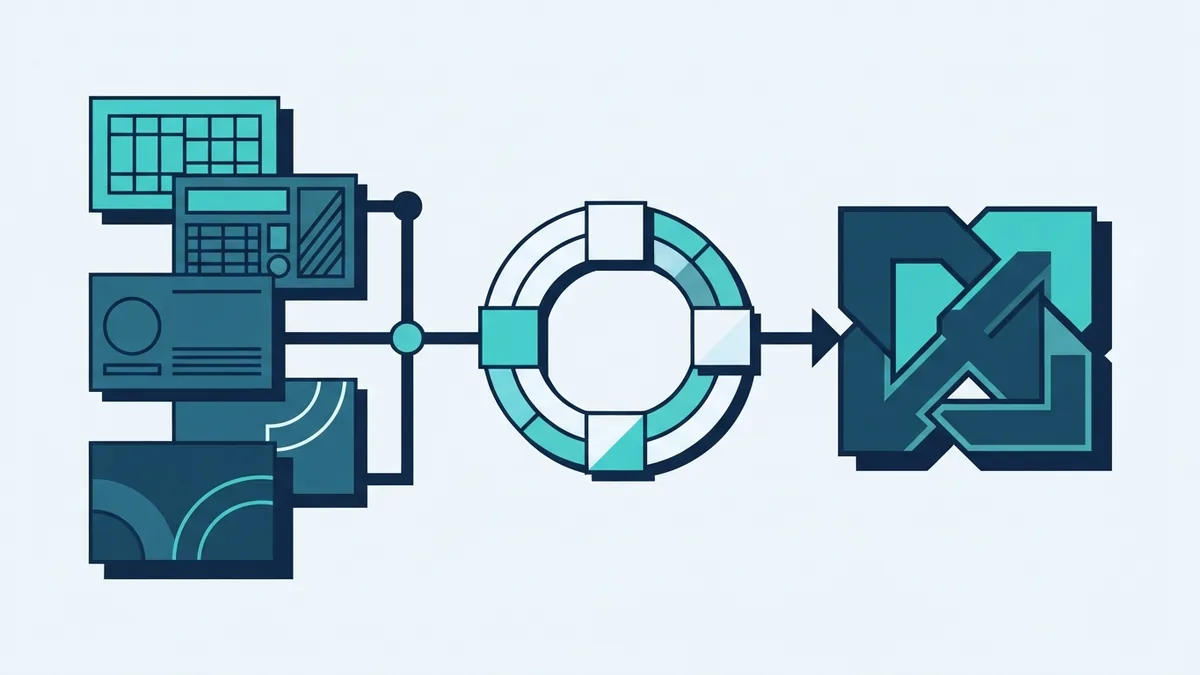
How Agile and Scrum differ
Agile is a broad set of values and principles. Scrum is one framework that follows them. So, what is Agile and Scrum methodologies as a phrase? It points to the broad approach and the specific method, though Agile itself is not one fixed method.
Scrum defines roles, events, and work items. Agile does not require sprints or one team structure. Kanban, for example, is another approach that can help teams manage work without fixed sprint periods.
People sometimes call Scrum an Agile model or methodology. Those terms are common, but Scrum is more precisely a framework. The distinction matters because Scrum leaves room for teams to choose many details of their work.
Agile Scrum project management uses short planning horizons and regular feedback to guide delivery. It can suit work with changing needs, such as a web platform or payment integration. It may be less useful when a team cannot review work often or cannot change scope.
There is no need to use Scrum just because a team says it is Agile. Pick Scrum when its sprint goals and events help the team manage uncertainty. Choose another approach when its rules fit the work better.
Scrum roles and team responsibilities
Scrum has a Product Owner, a Scrum Master, and Developers. Together, they make up the Scrum Team. Their roles set clear areas of focus, but the team shares responsibility for making a useful result.
The Product Owner orders the backlog and helps make the product goal clear. Developers plan and do the work needed to create the sprint result. The Scrum Master helps the team use Scrum well and works to remove barriers to progress.
What is an Agile Scrum Master? The role is not simply a project boss or meeting host. The Scrum Master helps people understand Scrum, supports team learning, and helps address obstacles that slow the work.
Searches such as “what is a Agile Scrum Master” or “what is an Agile Scrum Master” usually ask about this same role. A Scrum Master does not assign every task or take ownership of the product. The team decides how best to meet its sprint goal.
Using Agile and Scrum together
To use the Agile Scrum workflow well, start with a product goal that explains the value the team hopes to make. Keep backlog items small enough to discuss and test. During planning, choose work that supports one clear sprint goal.
Keep daily meetings brief and focused on progress. Raise blockers early, then work together to resolve them. At the review, invite useful feedback from users or stakeholders. At the retrospective, choose one change the team can test next sprint.
A spike in Agile is a time-boxed research task. Teams use one when they need to learn about a risk or unknown before they can size or plan work. For example, a team may test whether a payment provider supports a needed feature.
What is a spike in Agile Scrum? It is the same kind of short research task, used to reduce uncertainty. A spike should have a clear question and a set time limit. Its result may be a finding, a small test, or a better estimate, rather than a feature for users.
Teams may also ask what is Agile Scrum certification. It usually means a course or credential that tests knowledge of Scrum or Agile practice. A certificate can show study, but it cannot replace hands-on team work.
Scrum is a framework, not a guarantee of speed or quality. Teams still need sound engineering, clear decisions, and honest feedback. Use the events and roles to support delivery, then change the process when evidence shows it is not helping.