
Choose Agile Methods That Help Software Adapt and Improve

How Agile Software Development Works
Agile software development methods help teams deliver useful software in small steps and respond to change. Instead of fixing every detail at the start, teams plan a short work cycle, build a working part, then learn from feedback. This approach can raise quality and get useful features to users sooner.
Agile is not one fixed process or a promise to skip planning. It is a way to manage uncertainty through teamwork, frequent checks, and clear priorities. A team might first build a basic payment flow, test it with users, then improve the steps that cause errors or confusion.
These methods suit work where needs may shift as people see the product. They can also help teams spot risks before those risks spread across a large release. The best fit depends on the work, team, and level of change.
The Agile Manifesto sets out the values behind this approach. It favors people working together, useful software, customer input, and a response to change. These values guide choices; they do not remove the need for sound design or careful testing.
Core Principles That Guide Agile Teams
Agile teams aim to satisfy customers by delivering useful software often. They break large goals into small pieces, then check whether each piece solves a real need. This makes progress easier to review and gives teams a chance to change course.
Close teamwork matters. Developers, testers, product leads, and other roles share context and decisions. Cross-functional teams can solve more problems without waiting for a separate group at every step.
Teams also treat change as information, not as a failure of the plan. A user story describes a need from the user's point of view. For example, a story might ask for a clear payment status after checkout. The team can then agree on what a working result must do.
- Deliver working software in small, useful increments.
- Get feedback from users and stakeholders throughout the work.
- Keep a shared view of goals, risks, and current priorities.
- Review the process and adjust it as the team learns.
These habits make feedback loops part of daily work. They also help teams catch unclear needs, weak design, and defects sooner.
Popular Types of Agile Development Methods
Scrum, Kanban, and Extreme Programming (XP) are common agile development methods. They share an aim of learning through delivery, but they organize work in different ways. Teams can use one method as written or adapt parts to fit their needs.
Scrum groups work into fixed-length cycles called sprints, often lasting one to four weeks. The team picks work from a backlog, which is a ranked list of tasks and needs. At the end, it reviews the result and plans the next cycle. Scrum suits teams that benefit from a steady planning rhythm.
Kanban shows work as it moves through steps, such as ready, in progress, and done. Teams limit how many tasks can be in progress at once. This can reveal bottlenecks and help teams finish work before starting more. Kanban can suit support teams or work with a steady flow of requests.
XP puts strong focus on code quality and quick technical feedback. Practices can include writing tests before code, pairing on hard problems, and integrating changes often. These steps can reduce the cost of fixing defects later. XP may work well when a product needs frequent change and a high bar for reliable code.
| Method | Work pattern | Useful when |
|---|---|---|
| Scrum | Fixed work cycles | A team needs regular planning and review |
| Kanban | Ongoing flow with work limits | Requests arrive at a changing pace |
| XP | Short builds with strong code checks | Frequent change makes code quality vital |
There is no single best choice among these software development methods. A team may use Scrum for planning and Kanban to track support work. The useful test is whether the method helps people deliver, learn, and improve.
How Agile Can Improve Quality and Speed
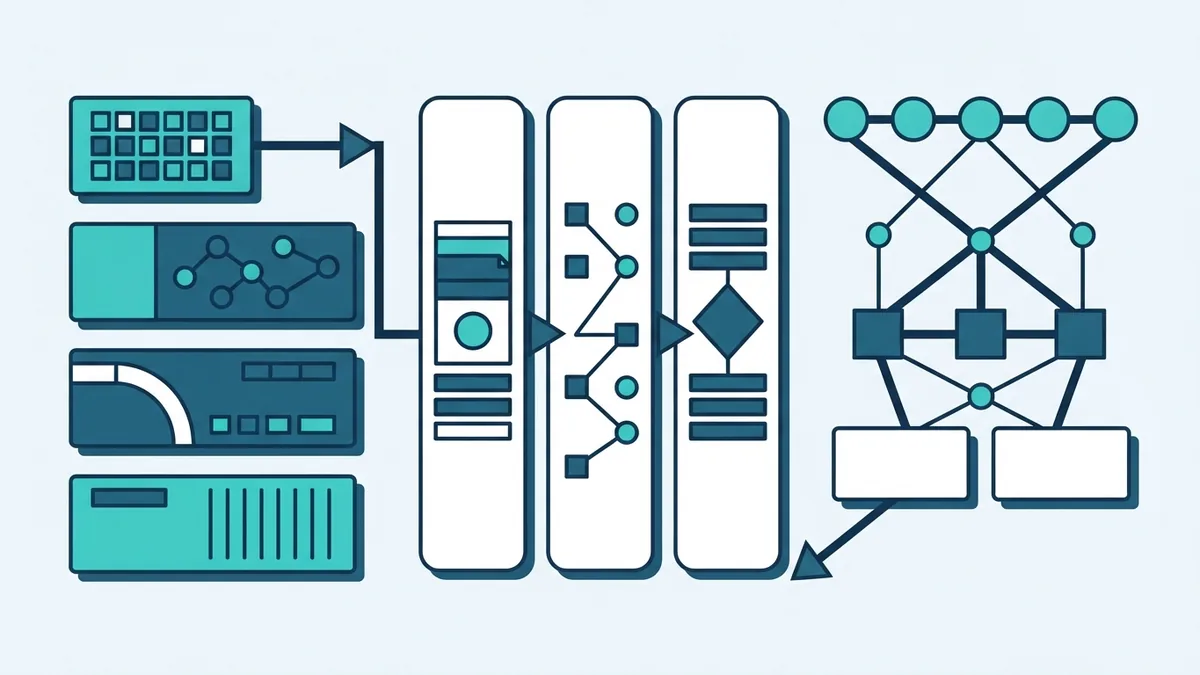
Iterative development means building and refining software in repeated cycles. Each cycle gives the team a chance to test an idea against real needs. A small working release can show whether a feature helps users before the team invests in a larger build.
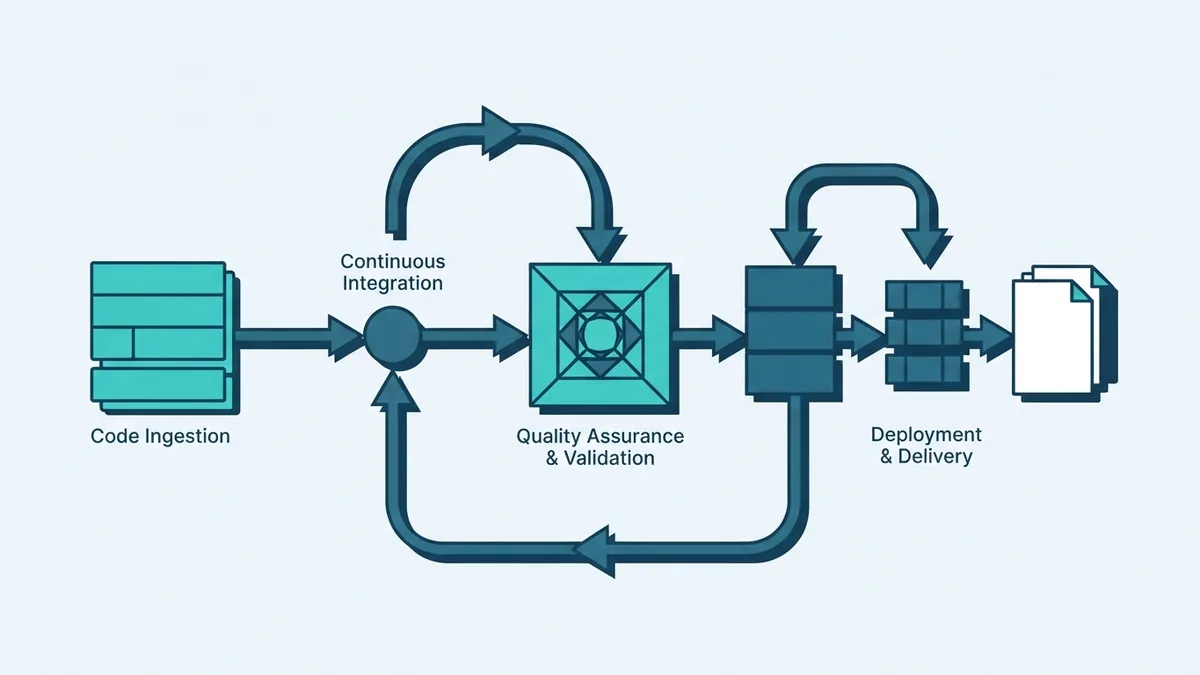
Short cycles can also make defects easier to trace. If a test fails soon after a code change, the team has fewer changes to inspect. Continuous integration helps by joining code changes often and running checks on the shared build. It does not remove bugs, but it can flag some problems earlier.
Frequent delivery can bring useful features to market sooner. It also gives a business room to adjust priorities when user needs or market plans change. For example, a team could delay a low-use report and focus on a checkout issue found during testing.
Quality still depends on clear standards and skilled work. Teams should agree on what “done” means, such as passing tests, meeting access needs, and having notes for future support. Without that shared bar, fast delivery can create rework instead of value.
- Test key user paths during each work cycle.
- Review code changes while they are still small.
- Check real user feedback before expanding a feature.
- Track defects and fixes, not just tasks marked complete.
Common Challenges When Putting Agile Into Practice
Agile can falter when a team lacks a shared goal. If product leads, developers, and stakeholders rank needs in different ways, work may change without clear reason. A visible backlog and a named decision-maker can help settle priorities.
Communication can also break down, especially across teams or time zones. Daily meetings alone will not solve that problem. Teams need clear notes, agreed ways to raise risks, and regular contact with the people who can answer product questions.
Momentum may fade when teams start too much work, face long approval waits, or see no results reach users. Keep work items small and limit tasks in progress. If work sits idle, find the wait point and fix that cause rather than adding more tasks.
Another risk is treating a method as a set of meetings and boards. Scrum events or Kanban cards have little value if teams hide problems or ignore feedback. Agile needs trust, a clear purpose, and room to change how work gets done.
Best Practices for Agile Teams
Start with one team and one clear product goal. Choose a method that fits the work, then try it for several cycles. Keep the first test small enough to learn from without disrupting every team at once.
Make the backlog easy to read and keep its top items ready for work. Each item should state the need, the value, and a way to check success. For example, a payment task could include the expected result when a card is declined. Clear checks reduce guesswork during build and review.
Use retrospectives to review how the team works, not to assign blame. Ask what helped, what slowed work, and what one change the team will test next. Give that change an owner and check its effect at the next retrospective. Regular evaluation keeps the method useful as the team changes.
Finally, balance speed with care. Keep tests close to the code, review progress with users, and make risks visible early. Agile is not a shortcut around sound engineering. It is a way to learn sooner and use that learning to build better software.
- Set a goal the whole team can explain.
- Keep work small enough to finish and review.
- Ask users for feedback at useful points, not only at launch.
- Use retrospectives to choose one clear improvement at a time.