
Use Rapid Application Development to Build Better Software
Introduction to Rapid Application Development
Rapid application development (RAD) is an approach to software development built around short cycles and frequent user feedback. Teams create working versions early, then improve them as users test each build. This lets the team respond to change instead of fixing every detail at the start. The aim is useful software, delivered sooner.
The rapid application development model puts prototypes at the heart of the work. A prototype is an early version that helps users test an idea or task. Their feedback gives the team a clearer view of project needs before more time goes into the build. RAD is not just coding at speed. It needs close teamwork, quick choices, and skilled developers.
In software engineering, RAD can suit a new customer portal or payment flow. A team might first build a small checkout journey, then ask users to try it. If they struggle to find a payment option, the team can revise the design before launch. This is prototyping and rapid application development in action.
The terms rad application development and RAD rapid application development refer to this same broad approach. A rapid application development methodology does not mean one fixed set of tools. Teams shape the method to fit the work, users, and risks. Its core stays the same: build, test, learn, and improve.
The RAD Life Cycle: Four Phases
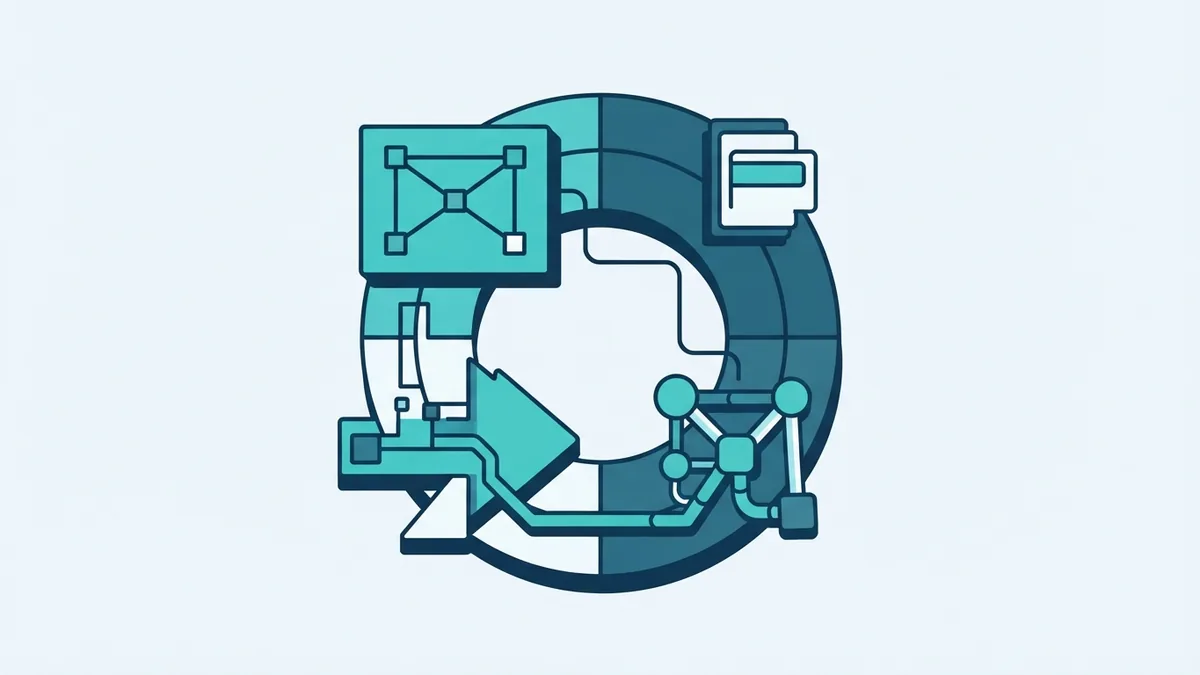
The phases of rapid application development give a project shape without locking every choice too early. They are Planning, User-informed Design, Construct, and Cutover. User involvement runs through all four phases. It is not a single review at the end.
- Planning: Set the goal, main users, scope, risks, and time limits. Agree on core features and what success means.
- User-informed Design: Make prototypes with users and stakeholders. Test key tasks, gather feedback, and refine the design.
- Construct: Build and test the software in short cycles. Add features in order of value, guided by what users learn.
- Cutover: Prepare data, train users, check the release, and move the software into live use. Fix issues found during launch.
This rapid application development process works best when teams can revisit earlier choices. For example, a staff booking tool might start with a basic shift request. Users can test that flow before the team adds alerts or reports. Each test may reveal a gap in the first set of requirements.
Keep control as the design changes. Set owners, review dates, and a clear way to rank new requests. A short decision log can show what changed and why. That keeps the RAD rapid application development model from turning into untracked work.
Advantages of the RAD Method
RAD can shorten the time between an idea and a working release. Teams test a small set of features early instead of waiting for a full build. Users get something real to assess. Project leads can also see progress through working software, not just plans.
Frequent feedback can improve the final result. Users can flag confusing steps, missing needs, or poor wording before launch. Developers can fix these issues while the related code is still fresh. Small builds make it easier to learn and adjust.
Flexibility is another strength. A new rule or user need can be weighed against the current plan. The team can change the next build without restarting the whole project. This can lower the risk of shipping a product that misses its users’ needs.
Rapid application development platforms and rapid application development software can help teams make prototypes and test ideas faster. Low code rapid application development tools may suit simple forms, workflows, and internal apps. They do not replace sound design or skilled review. Pick tools that fit the system, data, and safety needs.
Disadvantages and Risks
RAD depends on skilled developers who can shape a sound system while needs shift. A quick prototype can become fragile if the team treats it as finished software. Developers still need time for sound design, tests, and upkeep. Speed alone does not make a product safe or reliable.
User access can be a weak point. If key users miss reviews, the team may build around guesses. Conflicting views can slow choices, too. Name one decision owner and agree on how to weigh competing requests.
Large projects may be hard to manage with the RAD model in software engineering. Many teams, linked systems, or strict release rules can make frequent change costly. Shared data and system links need careful thought before teams build separate parts. RAD may still work for one well-bounded feature within a larger program.
Frequent change can also stretch the scope. A prototype may spark more ideas than the team can deliver. Keep a ranked feature list and a firm release goal. Move lower-value requests to a later cycle.
When to Use RAD
Use rapid application development when users can take part throughout the work. It is a strong fit when needs may change, a test version can be built quickly, and the team can release in stages. Web rapid application development often fits portals, booking tools, and payment journeys. These projects benefit from testing real tasks early.
RAD may be less suited to work with fixed rules, limited user access, or high costs for change. A system with many links to older tools may need more up-front design. The same is true when teams cannot test safely in small steps. Choose the method based on the risks, not the label.
Before work starts, check whether users can join regular reviews and make timely choices. Confirm that the team has the skills and tools to build, test, and support each release. Define a small first goal that can be tested with real users. These checks help show whether the use of rapid application development model fits the project.
RAD Compared With Other Methods
Traditional staged methods often set more detail before the build begins. They can suit projects with stable needs and firm review rules. RAD instead learns through working versions. It makes room for change, but needs users to stay involved.
Agile methods also use short cycles and regular feedback. The terms can overlap, but they are not the same label for every team. RAD puts strong weight on prototypes and fast user review. A team may use agile planning habits while following a RAD approach.
A joint application development model is different in focus. Joint application development brings users, leaders, and technical staff together in focused sessions to shape needs. Joint application development in system analysis and design can help teams agree on requirements. RAD then uses prototypes and repeated builds to test and refine a solution.
When someone asks to explain rapid application development model, the key distinction is this: RAD makes working software and user feedback central to the build. It is a method, not a promise of instant delivery. The best approach is the one that fits the team, users, and risks.
Conclusion
The rapid application development RAD methodology can help teams deliver useful software in short, learn-as-you-go cycles. Its four phases provide structure, while user feedback guides each change. It can support faster work and stronger results when users and skilled developers stay involved.
RAD also has limits. Large, tightly linked projects may need more planning, and quick prototypes need care before release. Define the goal, involve the right users, and keep quality checks in each cycle. That is how teams gain speed without losing control.