
SaaS Business — How the Model Works
What Is a SaaS Business?
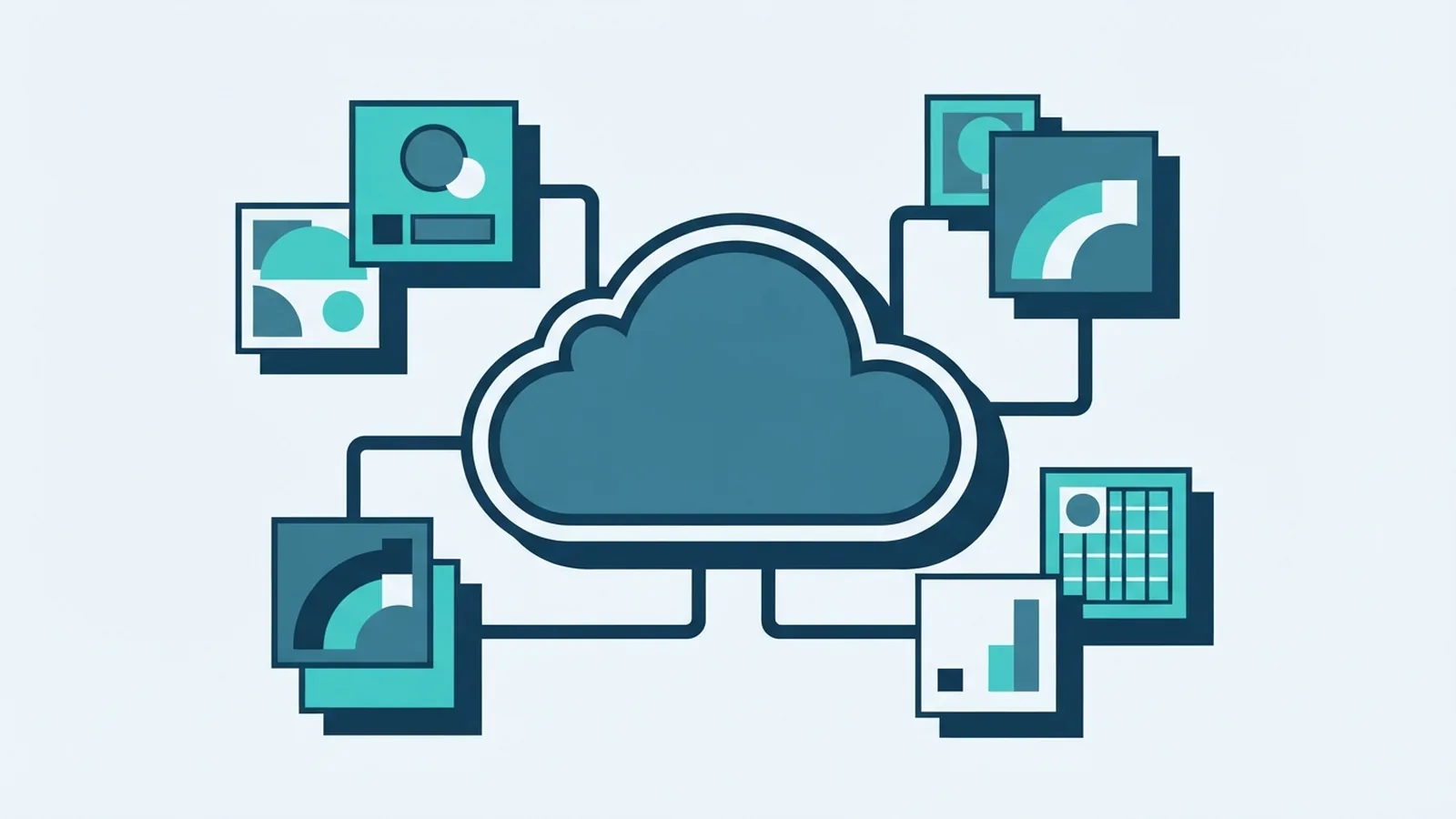
A SaaS business sells access to software over the internet. SaaS means Software as a Service. Customers use the product online instead of installing and managing it on each device.
The provider hosts the software, maintains its core systems, and ships updates. Customers usually pay a monthly or yearly fee. This shifts much of the setup and upkeep from the buyer to the provider.
So, what is SaaS in business? It is both a software delivery model and a way to sell software. A CRM tool, for example, can help a sales team track leads from a web browser. An accounting app can let a small firm manage bills without running its own server.
SaaS is part of cloud computing, where internet-based tools store and process data. The term does not mean every product works the same way. Buyers should still check how a service handles data, access, support, and downtime.
Key Features of SaaS Products
SaaS products run on systems managed by the provider. Customers sign in through a browser or app. The provider handles the main software releases, while users gain access through their account.
Most products use a subscription price. Some charge per user, while others base fees on usage, storage, or feature tier. This lets buyers start with a small plan and pay more as their needs grow.
- Hosted access: Users can reach the service online from supported devices.
- Recurring fees: Buyers pay at set intervals rather than buying a one-time license.
- Shared upkeep: The provider handles core hosting, fixes, and software updates.
- Flexible plans: A firm can add users or features as its needs change.
Many services also connect with other tools through APIs (ways for software systems to share data). These links can cut manual work, such as copying a new customer from a sales tool into an invoice system. Buyers should test key links before they move vital work to a new service.
Why Businesses Choose SaaS
One major benefit is lower upfront cost. A firm may avoid buying its own servers and paying staff to maintain a local software stack. The price is spread across recurring fees instead.
That does not mean SaaS is always cheaper. Long-term fees, setup work, training, and add-ons can raise the full cost. A sound comparison looks at the expected cost over several years, not just the first month.
SaaS also makes it easier to scale access. A growing team can add accounts without buying and setting up new machines. A small team can start with fewer seats and expand when it has a clear need.
Updates are another gain. The provider can ship a fix or feature to the hosted service without asking each user to install a new copy. This can reduce delays, though buyers may have less control over when changes arrive.
The importance of SaaS for businesses depends on their needs. It can help firms launch tools faster and focus staff on their core work. Yet teams with strict data rules, weak internet links, or unusual needs may prefer a different setup.
Before choosing a service, check these points:
- Can staff export their data in a useful format?
- Does the plan include the needed security and support?
- Can the service link with tools already in use?
- What happens to access and data if the firm ends its plan?
Types of SaaS Companies
SaaS firms often serve either other companies or individual users. Business-to-business (B2B) products support work tasks. Examples include CRM, project planning, billing, and staff tools.
Business-to-consumer (B2C) services sell straight to people. Common examples include online storage, media apps, and personal finance tools. Their plans often focus on ease of use and a low monthly price.
Some firms use a hybrid model. They may sell one product to individuals and a larger plan to teams. A team plan can add shared spaces, admin controls, or central billing.
Products also vary by industry and task. A broad tool may serve many kinds of firms, while a focused product may meet the needs of one field. A clinic, for example, may need tools built around patient records and appointment work.
How the SaaS Business Model Works
The SaaS business model links a recurring fee to ongoing access. The provider builds and runs the product. Customers pay for a plan, and the company aims to keep them satisfied enough to renew.
Revenue may come from seat fees, usage charges, premium features, or a mix. For instance, a project tool might charge per user and offer a higher tier with more controls. A payment app might base part of its fee on use.
Recurring income can make revenue easier to plan than one-time software sales. But it is not guaranteed income. Customers can leave, reduce seats, or move to a rival product.
That makes customer acquisition and retention central to the model. A firm needs to find buyers at a cost it can earn back over time. It also needs strong onboarding, helpful support, and steady product value.
Common measures help teams spot weak points:
- Monthly recurring revenue: The value of active monthly plans.
- Churn: The share of customers or revenue lost over a set period.
- Customer acquisition cost: The cost to win a new customer.
- Expansion revenue: Added income when current customers buy more.
These measures need context. High growth can hide poor retention, while low churn may still come with weak sales. Good teams review several measures together and ask what drives each change.
Leading SaaS Companies and Their Products
Salesforce is known for cloud-based CRM software. It helps firms manage customer records, sales work, and service tasks. Its overview of Salesforce CRM shows how one provider can offer several related tools.
Microsoft sells cloud services for work, including Microsoft 365. Firms use its apps for documents, email, meetings, and team work. Google offers cloud-based tools such as Google Workspace, which brings email, shared files, and team apps into one service.
These firms show different ways to build a SaaS offer. Some focus on one core task, while others link many tools in a wider suite. The Microsoft 365 business plans offer a clear example of bundled work tools sold through ongoing plans.
Large brand names are not the only useful examples. Smaller SaaS firms often focus on a narrow task or field. A buyer should judge the fit, service terms, support, and cost rather than choose by name alone.
What Comes Next for SaaS?
AI features are becoming part of SaaS products. They can help sort support requests, draft text, or find patterns in business data. Buyers should test results and check how the service uses their data.
Vertical SaaS is another growing direction. These products focus on one field, such as health, building, or food service. A focused tool may match real work better than a broad product, but it can offer fewer options outside that field.
More services are also linking data across tools. This can reduce repeated entry and help teams see work in one place. It also makes access rules and data quality more important.
For a business weighing SaaS, the key question is not whether the model is popular. Ask whether the service solves a real need at a fair full cost. Then test its fit, data controls, and exit path before making it part of daily work.