
DevOps Engineers — How They Build and Run Better Software
Understanding DevOps
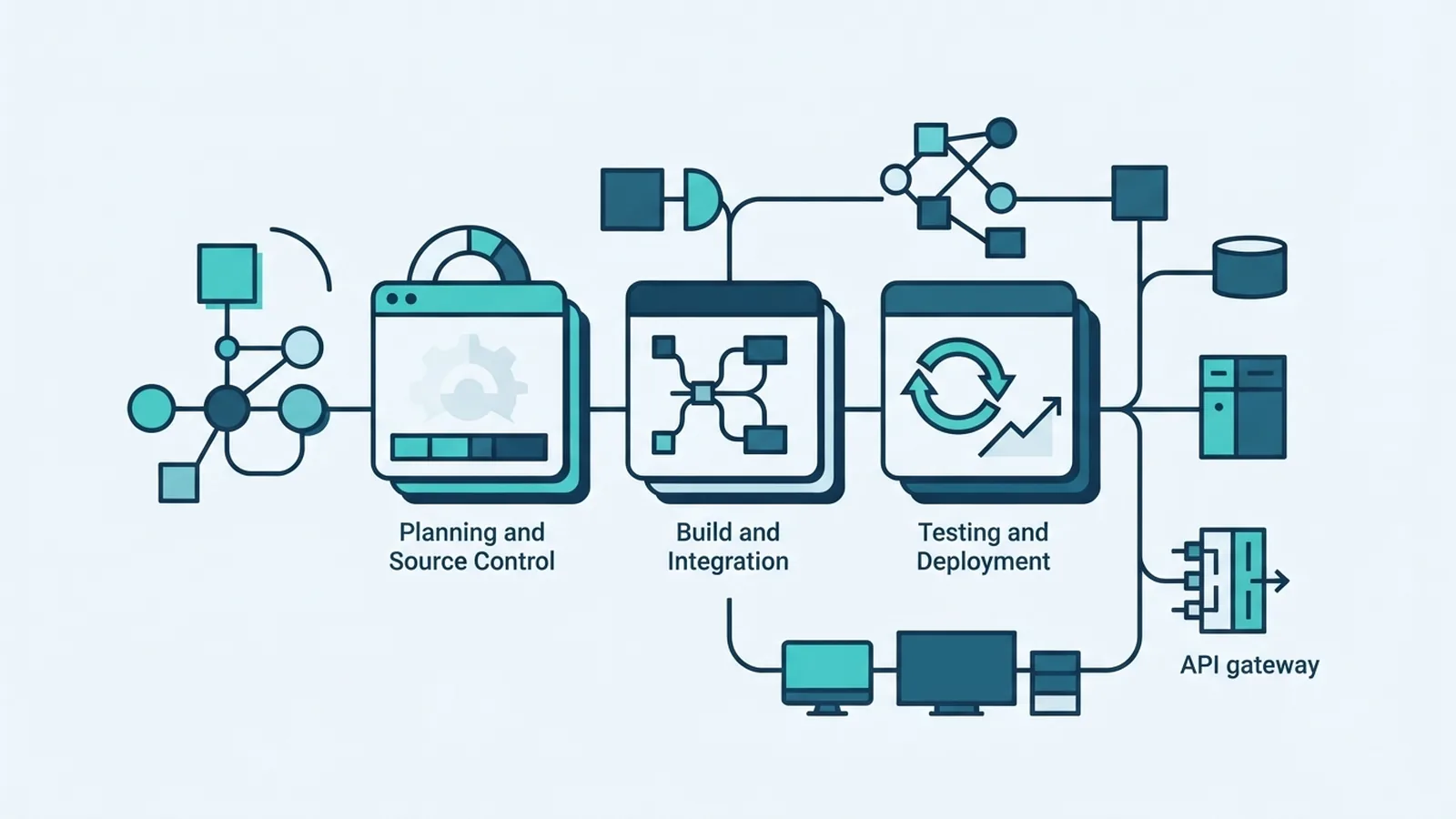
DevOps brings software development and IT operations together. It helps teams build, release, and run software with fewer delays and faults. The term describes a way of working, not just a job title or tool.
So, what is a DevOps engineer? This engineer helps teams improve the path from code to a live service. They automate repeated tasks, build release workflows, and help keep the systems behind an application stable. They also help teams share responsibility for the software they run.
People may search for “devops engineer what is” or “whats a devops engineer” when they want a plain answer. A DevOps engineer links development work with the needs of operations. The aim is to ship useful changes faster while keeping services safe and steady.
The role matters when a team needs to release changes often. Small, tested updates are easier to track and fix than large releases. Good tools help, but shared goals and clear work habits matter just as much.
Core responsibilities of a DevOps engineer
What a DevOps engineer do each day depends on the team and its systems. Common tasks include building release steps, managing cloud resources, and checking service health. Much of the work aims to cut manual effort and reduce the risk of errors.
Continuous integration and continuous delivery (CI/CD) help teams test and ship code in small steps. A pipeline can run checks whenever a developer changes code. If a check fails, the team can fix the issue before release.
- Automate releases: Set up repeatable steps for testing, review, and rollout.
- Manage infrastructure: Build and care for the cloud services an application needs.
- Monitor service health: Track errors, response times, and system load.
- Protect services: Set access rules, backups, and plans to restore service.
- Help teams work together: Align developers, operations staff, and security teams.
Monitoring and logs help teams spot trouble and find its cause. A rise in failed requests might point to a new release or a busy database. Engineers use these clues to restore service and lower the chance of repeat faults.
This answers “what devops engineer do” in daily terms: they build the tools and habits that support safe software delivery. The role is not just about fixing servers. It also involves planning, testing, and learning from each release.
Key skills for DevOps engineers
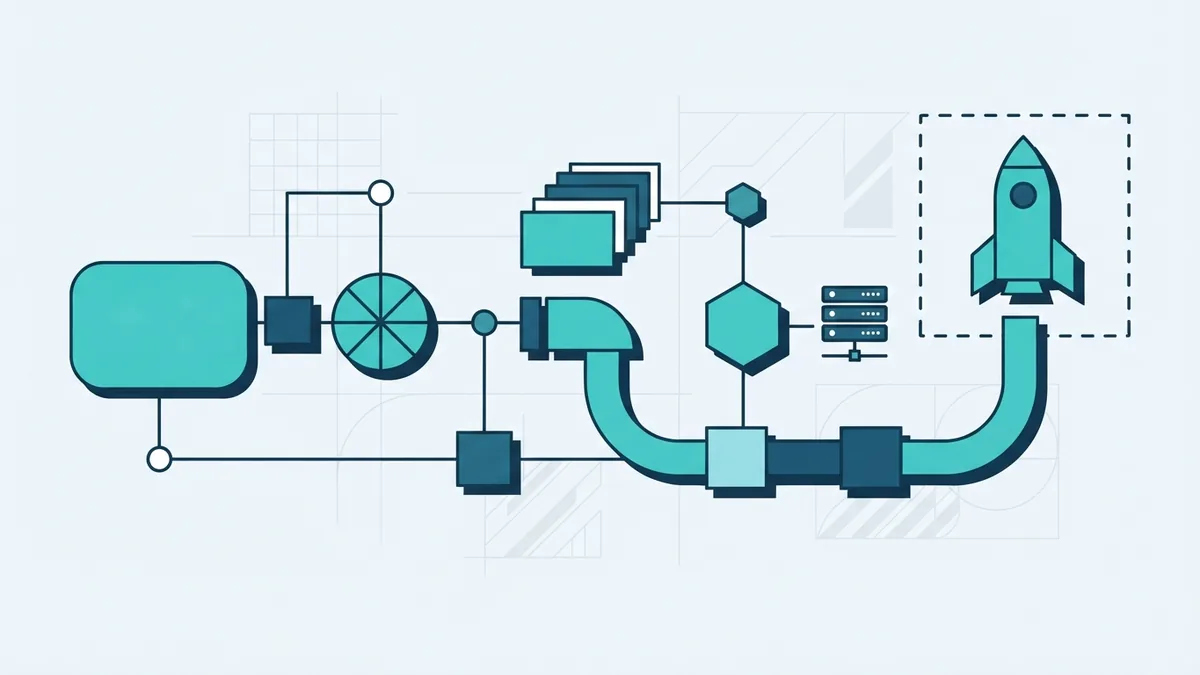
A DevOps engineer needs a mix of technical skills and clear communication. They should know how software moves from source code to a live service. Basic skills in networks, operating systems, and system logs are useful too.
Cloud knowledge matters because many teams run apps on Amazon Web Services (AWS), Microsoft Azure, or Google Cloud Platform (GCP). A cloud DevOps engineer sets up services, manages access, and tracks cost and uptime. If you ask “what does a cloud devops engineer do,” the short answer is: they help teams run and improve software in cloud systems.
People asking “what is aws devops engineer” usually mean a DevOps engineer who works with AWS services. The role still centers on automation, releases, and service health. AWS has its own overview of DevOps practices, including automation and shared team work.
Containers bundle an application with the parts it needs to run. Docker is often used to build and run containers. Kubernetes helps manage containers across many machines. Use these tools when they solve a real need; smaller systems may not need them.
Infrastructure as Code (IaC) means describing system setup in files teams can review and reuse. Terraform can build resources across cloud providers, while Ansible can set up and manage machines. These tools make changes easier to track and repeat.
- Learn one cloud platform, then compare its core services with another.
- Practice shell commands and a scripting language such as Python.
- Build a small CI/CD pipeline and add tests.
- Use logs and alerts to find and explain a service fault.

Why collaboration matters in DevOps
Tools alone do not create a DevOps culture. Teams need to share plans, risks, and service goals. A DevOps engineer often links the people who build a feature with those who must keep it running.
Good teamwork starts before a release. Developers can share likely traffic levels or risky changes. Operations staff can explain service limits, backup needs, and past incidents. Security staff can flag access risks while changes are still easy to make.
Shared goals help teams make better choices. A team might aim to release smaller changes, restore service quickly, and lower repeat faults. After an incident, a calm review can reveal weak checks or unclear steps. The goal is to improve the system, not assign blame.
This is a key part of the DevOps engineer role. The engineer needs to explain trade-offs in plain terms and listen to each team’s needs. Strong teamwork helps turn technical plans into changes that people can support.

Career path and growth opportunities
There is no single route into a DevOps engineer role. People often move from software development, system administration, testing, or cloud support. A strong base in one area helps, but the job calls for learning across team lines.
Newer engineers may start by caring for build pipelines, writing scripts, or handling routine cloud tasks. With more experience, they can shape platform design, improve service reliability, or guide cloud changes. Some move into site reliability engineering or platform engineering.
To build skills, start with a small project that solves a real problem. Create a simple app, add tests, and set up an automated release. Then add logs, alerts, and a safe way to undo a change.
Keep notes on what failed and how you fixed it. These notes show how you think about risk and service health. They also make it easier to explain your work in an interview.
DevOps tools and how to choose them
DevOps teams use tools for code, testing, releases, cloud systems, and monitoring. The best choice depends on the team’s needs, skills, and current setup. A tool should make work clearer or safer, not add steps without value.
Start with the problem rather than a tool list. If releases take too long, map the steps and find the delay. If faults go unseen, improve logs and alerts before adding a large new platform.
| Need | Common tools or methods | What they help with |
|---|---|---|
| Build and release | CI/CD pipelines | Run tests and ship changes in repeatable steps |
| Cloud setup | AWS, Azure, or GCP | Run apps and manage cloud services |
| System setup | Terraform or Ansible | Track and repeat changes to infrastructure |
| Containers | Docker and Kubernetes | Package and run apps across systems |
| Service insight | Monitoring and logging tools | Spot faults and understand system behavior |
Choose a small set of tools that fits the work. Keep access safe, write down key steps, and review alerts after each change. This gives teams a sound base for reliable releases.